Deco Labs launches plant-based albumin alternative cAlbumin for cell culture applications
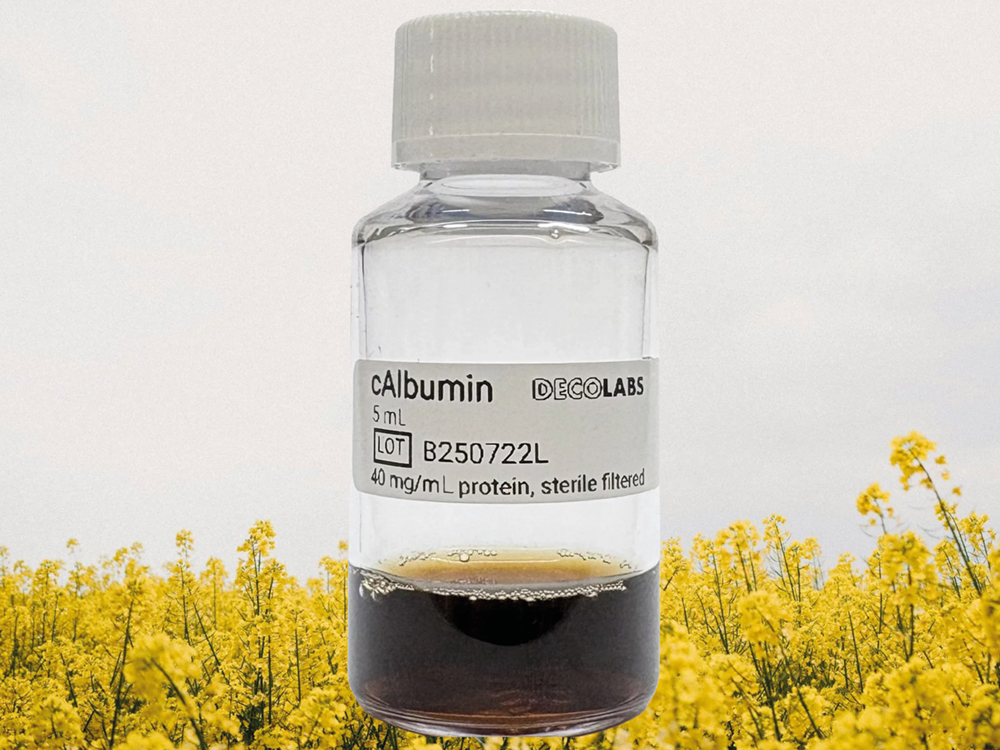
Deco Labs has launched its first commercial product, cAlbumin, a plant-derived protein designed as a drop-in replacement for conventional albumin in animal cell culture media.
• Deco Labs introduces cAlbumin, a rapeseed-derived protein designed to replace recombinant and bovine serum albumin in cell culture media.
• The product is animal-origin-free and aims to reduce costs while maintaining or improving cell growth performance.
• cAlbumin has been validated across a wide range of cell types, including stem cells and muscle cells, with strong viability and proliferation results.
The launch, announced by Natalie Rubio, Co-founder & CEO, marks a step forward for a company focused on developing animal-free inputs for biotechnology and cell-cultivated production systems.
cAlbumin is produced from Brassica napus, commonly known as rapeseed, and has been developed as a functional replacement for albumin, a key component in cell culture media used to support cell growth and stability.
Albumin, typically sourced from animals or produced through recombinant processes, plays a central role in maintaining cell viability and proliferation. However, it remains one of the more costly and complex ingredients in cell culture formulations, particularly at scale.
Deco Labs’ approach focuses on delivering a plant-based alternative that removes reliance on animal-derived inputs while reducing cost pressures. According to product data, cAlbumin can be up to 70% less costly than recombinant albumin and up to 50% less expensive than cell culture-grade bovine serum albumin at research and development scale.
The company also reports that lower working concentrations may be sufficient for many applications, contributing to further cost reductions. In some cases, this has translated into significant decreases in overall media costs when compared with conventional albumin systems.
From a performance perspective, cAlbumin has been tested across a wide range of cell lines, including human induced pluripotent stem cells, bovine muscle cells, porcine cells and fish-derived cells. The product has demonstrated the ability to support stable cell growth and proliferation, with validation work showing comparable or improved outcomes relative to traditional albumin sources.
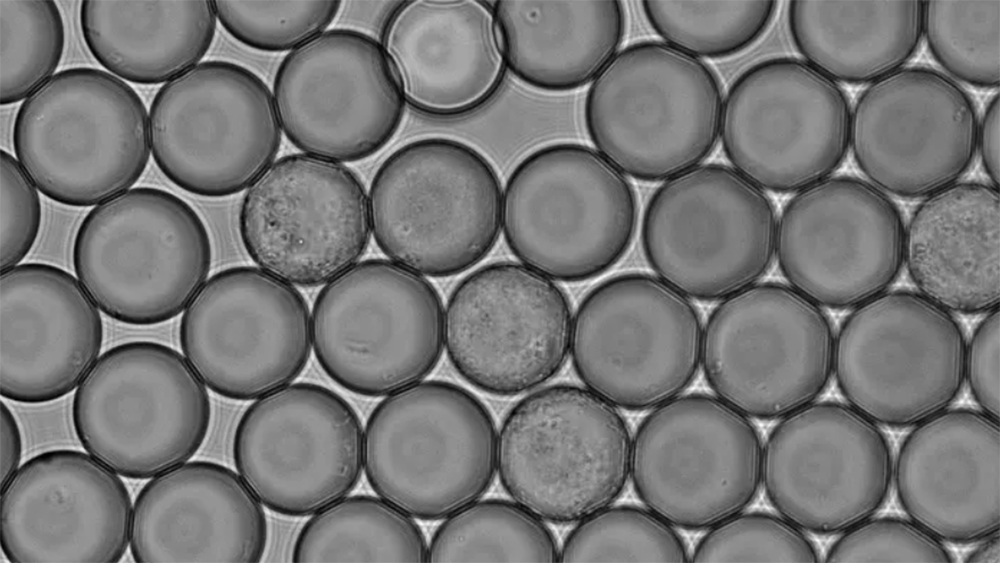
In one example, mouse embryonic stem cells cultivated with cAlbumin showed strong population growth over time when compared with both recombinant human serum albumin and bovine serum albumin controls.
The ingredient is also described as 100% xeno-free and produced without genetically modified crops, aligning with broader industry efforts to reduce reliance on animal-derived inputs in cell culture systems.
Beyond performance and cost, scalability remains a central consideration. Albumin is widely used across biopharmaceutical production, cell therapy and cell-cultivated meat, meaning that any viable alternative must meet both functional and economic requirements at industrial scale.
Deco Labs indicated that cAlbumin has already been used as a core component in its own bovine fat cell line, supporting stable growth over extended culture periods. This suggests potential applicability in cell-cultivated meat systems, where reducing media costs is widely seen as a critical barrier to commercialization.
The product is currently available for pre-order, with the company positioning it as a drop-in solution that can integrate into existing media formulations without requiring major reformulation.
As companies across biotechnology and alternative proteins continue to seek lower-cost, animal-free inputs, albumin alternatives such as cAlbumin are emerging as a key area of innovation. By targeting one of the most widely used and cost-sensitive components in cell culture, Deco Labs’ launch highlights ongoing efforts to improve both the economics and sustainability of cell-based production systems.
Join Us At One Of Our Upcoming Events
.png)

If you have any questions or would like to get in touch with us, please email info@futureofproteinproduction.com