EU plant-based labeling fight intensifies as talks collapse and consumption continues to surge

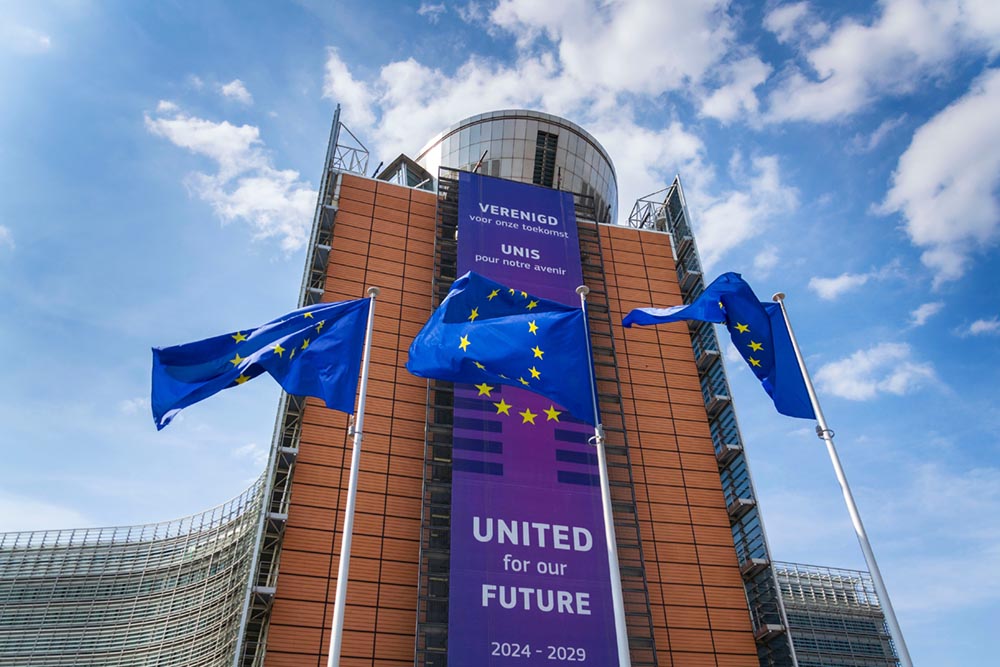
Efforts to restrict the use of 'meaty' terms such as burger and sausage for plant-based foods in the European Union stalled again last week, after negotiations between EU institutions collapsed without agreement. The breakdown extended a long-running and politically charged debate over food labeling into 2026, even as consumption of plant-based meat alternatives across the bloc continued to grow rapidly.
Negotiations between the European Parliament, Council, and Commission were halted after proposed amendments went beyond the European Commission’s original text. The talks, held as part of a wider package of measures aimed at supporting farmers, were expected to finalize whether labels such as vegetarian sausage and veggie burger should be reserved exclusively for meat-based products.
Instead, discussions broke down after French Member of the European Parliament Céline Imart, who sponsored the legislation, pushed to expand the list of protected terms. In addition to burger, sausage, and steak, she proposed adding foie and ham to the ban, reopening parts of the text that negotiators believed had already been settled.
Denmark, which was leading the talks on behalf of EU member states, opposed broadening the scope of the proposal and said it had no mandate to renegotiate either the naming rules or related provisions covering dairy terminology. After around two hours, the meeting was halted without agreement. With no deal reached, the file will now pass to the incoming Cyprus presidency of the Council, which begins in January.
The delay was welcomed by plant-based advocacy group ProVeg International. Its Global CEO, Jasmijn de Boo, said the failure to reach a vote created space for further reflection.
“We are relieved that a vote on ‘meaty’ names for plant-based foods did not take place,” de Boo said. “This allows the EU institutions time to reflect on the value of restricting plant-based food labeling.”
She argued that the case for tighter restrictions was not supported by evidence. “No-one is confused by terms like ‘vegetarian sausage’, as numerous surveys attest. So, in fact, there is no need to restrict such labelling,” she said.
The renewed standoff came against the backdrop of sustained growth in the EU’s plant-based food market. Consumption of plant-based alternatives to meat products has increased five-fold since 2011, according to data from European consumer group BEUC. That growth has been driven by a combination of concerns over animal welfare, greenhouse gas emissions from livestock farming, and health considerations.
Despite that trend, many livestock farmers across Europe have continued to argue that meat-mimicking plant-based products are misleading for consumers and pose a threat to an already struggling sector. In France, industry group Interbev said current labeling practices “confuse consumers and undermine recognition” of meat products.
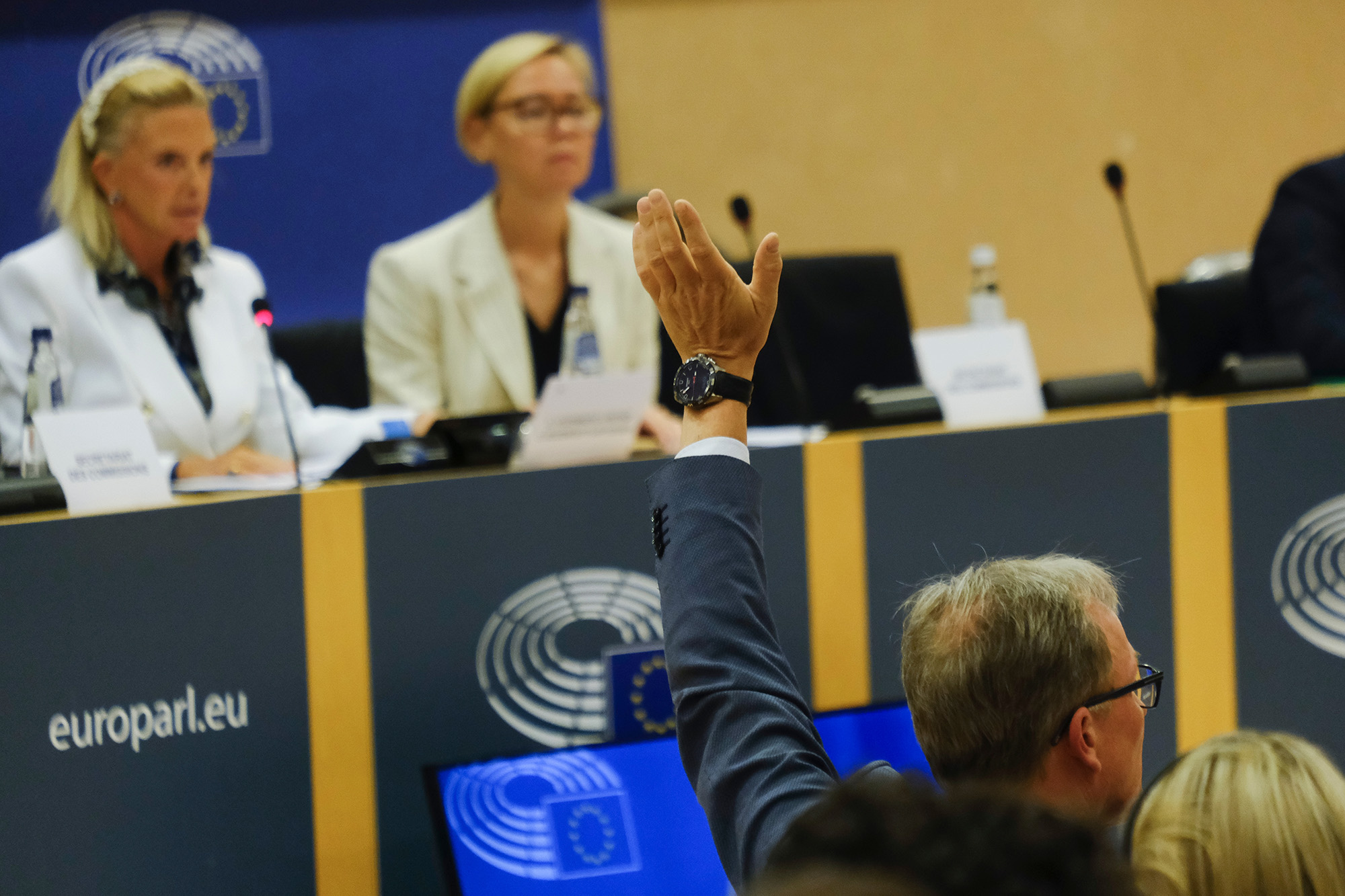
In October, lawmakers in the European Parliament backed a proposal to reserve a list of meat-related labels, including burger and sausage, for foods containing meat. That vote set the stage for the latest round of trilogue negotiations, which ultimately failed to deliver a compromise.
Opposition to the proposed restrictions has come from a broad coalition. Food retailers in Germany, Europe’s largest market for plant-based alternatives, have spoken out against the move, alongside environmental organizations and consumer advocates. Critics have argued that existing EU marketing rules already prohibit misleading advertising, making additional labeling bans unnecessary.
High-profile figures have also weighed in. Former Beatle and prominent vegetarian Paul McCartney was among the signatories of a letter to the European Commission urging it not to adopt the restrictions. The letter warned of the potential global consequences of tightening labeling rules.
“The evidence is clear: existing legislation already protects consumers; consumers themselves overwhelmingly understand and support current naming conventions,” the letter said.
De Boo echoed that argument in a recent commentary, pointing to survey data showing that 96% of more than 20,000 respondents understood that a vegetarian sausage was not made from pork. She said plant-based products were typically sold under meat-free signage, clearly labeled as vegetarian or vegan, and often produced by companies whose branding left little room for ambiguity.
She also questioned the political logic of intervening at a time when consumer behavior was already shifting. Research cited by ProVeg showed that 51% of meat-eating Europeans were actively reducing their meat consumption, opting for alternatives perceived as healthier and more climate-friendly.
Rather than restricting labeling, de Boo argued that policymakers should focus on fostering innovation and consumer choice. “Terms like ‘vegetarian sausage’ and ‘plant-based steak’ are therefore not misleading. They’re helpful,” she said, adding that such language made it easier for consumers to reduce their intake of animal-based foods.
The debate has resurfaced repeatedly over the past decade. A similar proposal was rejected by European lawmakers in 2020. More recently, France introduced a national ban on meat-related terms for plant-based foods in 2024, only for it to be overturned the following January in line with a ruling by the EU’s top court.
Political dynamics have also shifted. The 2024 European elections delivered significant gains for right-wing parties with close ties to farming interests. Even so, there has been no clear consensus within those groups. Manfred Weber, leader of the center-right European People’s Party, said the labeling proposal was “not a priority at all.”
Beyond consumer clarity and industry costs, critics have warned of wider implications. De Boo pointed to the EU’s reputation as a global food innovation hub, noting that other major markets, including China, allow the use of meat-associated terms for plant-based foods. Restricting such labels in Europe, she argued, could undermine the competitiveness of the EU’s plant-based sector, which remains the world’s largest.
With negotiations now deferred, existing labeling rules will remain in place for the time being. Whether the Cyprus presidency will seek a narrower compromise or revive broader restrictions remains unclear.
For now, the collapse of talks has left the debate unresolved, highlighting the tension between protecting traditional farming interests and supporting a rapidly growing plant-based food sector that is already reshaping how Europeans eat.

Join Us At One Of Our Upcoming Events

If you have any questions or would like to get in touch with us, please email info@futureofproteinproduction.com