EU’s SMART PROTEIN project charts long-term path for sustainable, circular protein through microbial biotechnology

Supplying the world’s growing population with nutritionally adequate protein is becoming increasingly difficult, particularly as conventional food production continues to strain ecosystems. The EU-funded SMART PROTEIN initiative set out to address this challenge by exploring how microbial biotechnology, edible fungi, and regenerative agriculture could underpin a more circular and environmentally resilient protein system.
The four-year project focused on developing new protein ingredients from both high-protein crops and microbial biomass while also investigating how healthier soil ecosystems support more resource-efficient farming. The approach centered on what researchers called the holobiome: the interconnected microbial networks that link soil, plants, animals, humans, and the environment.
Project coordinator Emanuele Zannini of University College Cork said that understanding these interactions was essential to designing future-ready supply chains. “We recognised that building future-proof protein supply chains goes beyond sourcing alternative proteins – it also requires a deep understanding of the complex interactions between plants and their associated microbial soil communities. Our goal was to enhance crop resilience, nutrient uptake, and the overall sustainability of the food system,” he said.
The team assessed a range of regenerative practices, including cover cropping, reduced tillage, and the use of organic amendments such as compost. Researchers observed increased soil enzymatic activity and improved microbial diversity, both indicators of greater soil health. According to Zannini, amendments included the introduction of mycorrhizal fungi and other beneficial microbes to support nutrient cycling and plant resilience, helping to build more sustainable agricultural systems.
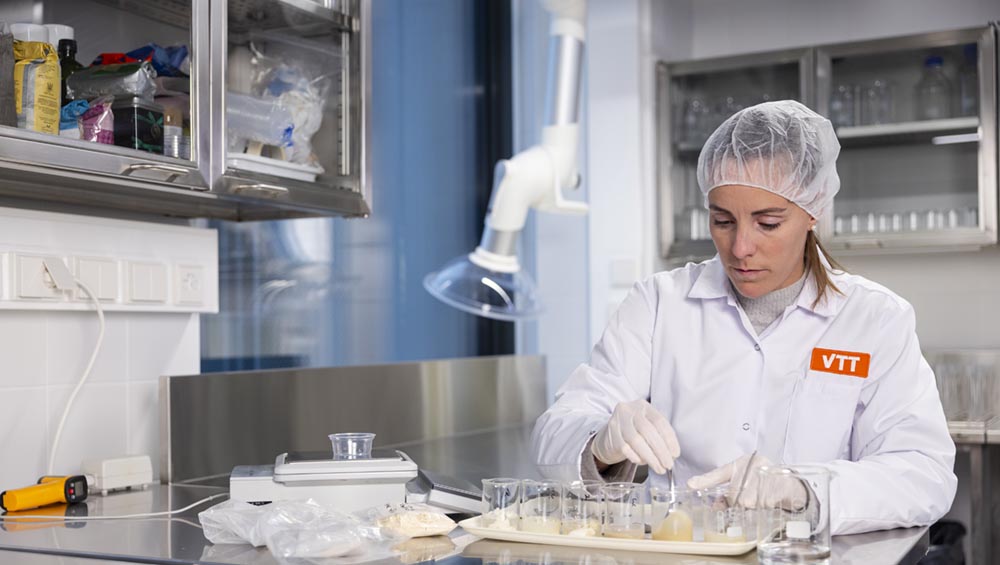
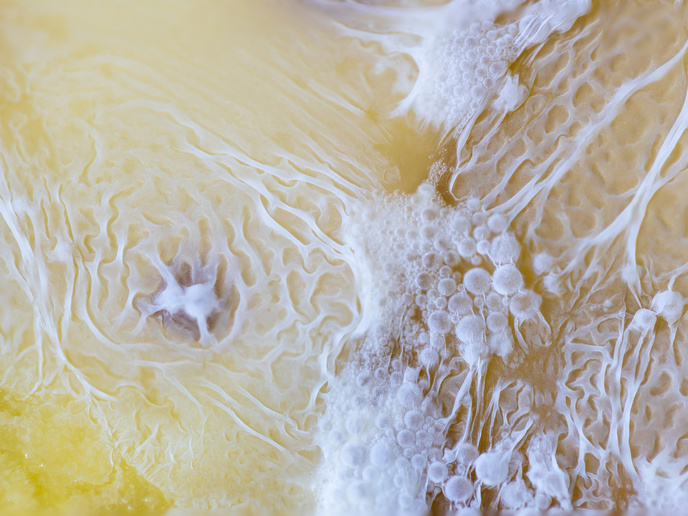
Alongside its work on soil ecosystems, SMART PROTEIN developed novel protein ingredients produced through fungal fermentation. These biomass-based proteins were created by upcycling byproducts from the pasta, bread, and brewing industries, such as pasta residues, bread crusts, spent yeast, and brewery grains. The project optimized fermentation conditions to convert these low-value side streams into edible fungal biomass, adding a new example of how food waste can be transformed into nutritious, high-quality protein.
The project’s dual emphasis on ecological restoration and biotechnology was designed to help reduce dependence on resource-intensive animal agriculture. Researchers highlighted that current meat-heavy diets place heavy pressure on land, water, and climate systems, and often fail to provide balanced nutrition globally. By focusing on plant-based food systems and edible fungi, the initiative aimed to demonstrate how protein production can be both sustainable and scalable.
The findings underscore how microbial technologies could support a transition toward food systems that not only conserve resources but actively regenerate them. However, Zannini noted that scientific advances must be matched with policy and investment. “Microbial biotechnology holds immense potential for sustainable food production, but its success depends on supportive policies and regulatory frameworks. We need clear guidelines that facilitate innovation while ensuring safety and public trust. Additionally, investment in research and infrastructure is essential to scale up these technologies and integrate them into mainstream food systems,” he said.
As interest grows in alternative proteins and circular food systems, the SMART PROTEIN project provides a blueprint for how biotechnology, soil stewardship, and waste valorization can work together to support long-term protein security.

Join Us At One Of Our Upcoming Events

If you have any questions or would like to get in touch with us, please email info@futureofproteinproduction.com