From bioreactors to balance sheets: reporting from The Future of Protein Production & Cultured Meat Symposium 2026

The alternative protein industry has spent years promising transformation. In Chicago on 24-25 February, the conversation shifted to something harder: how to actually build it
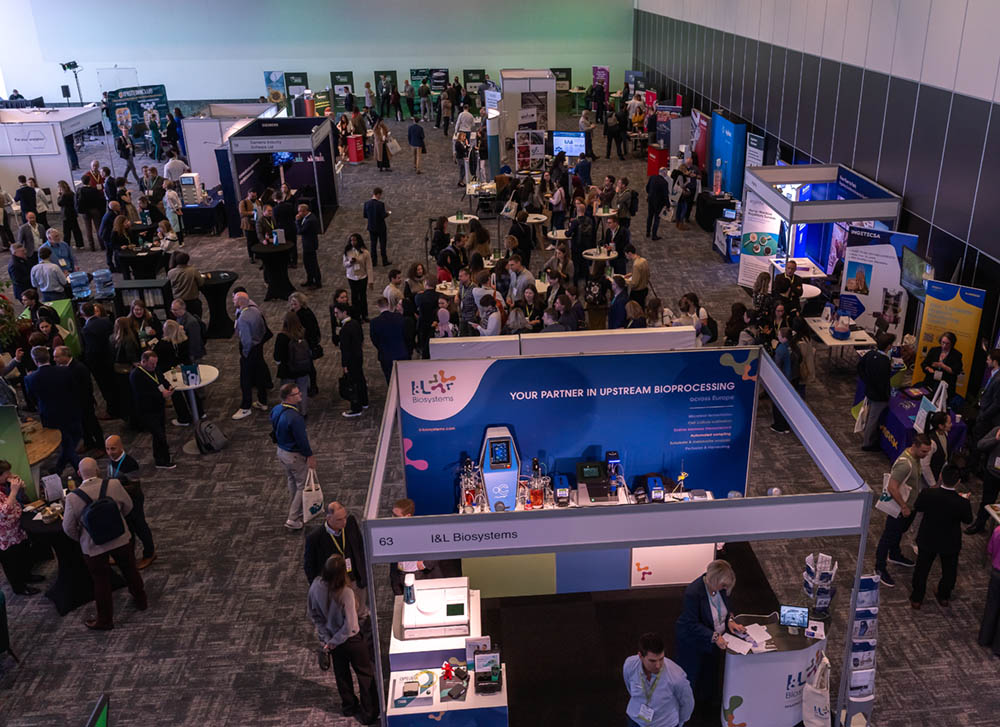
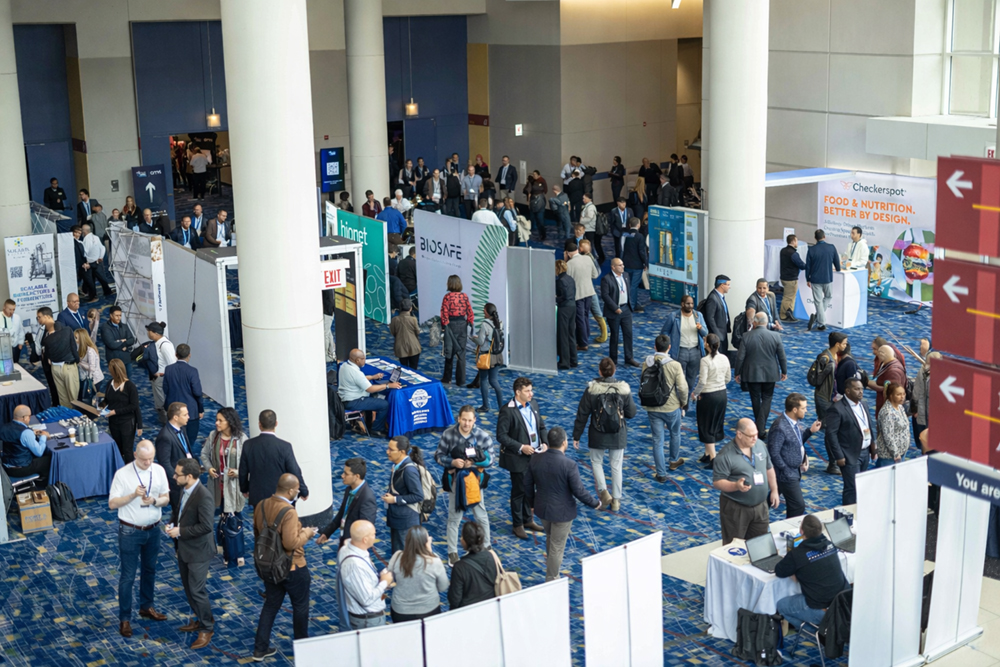
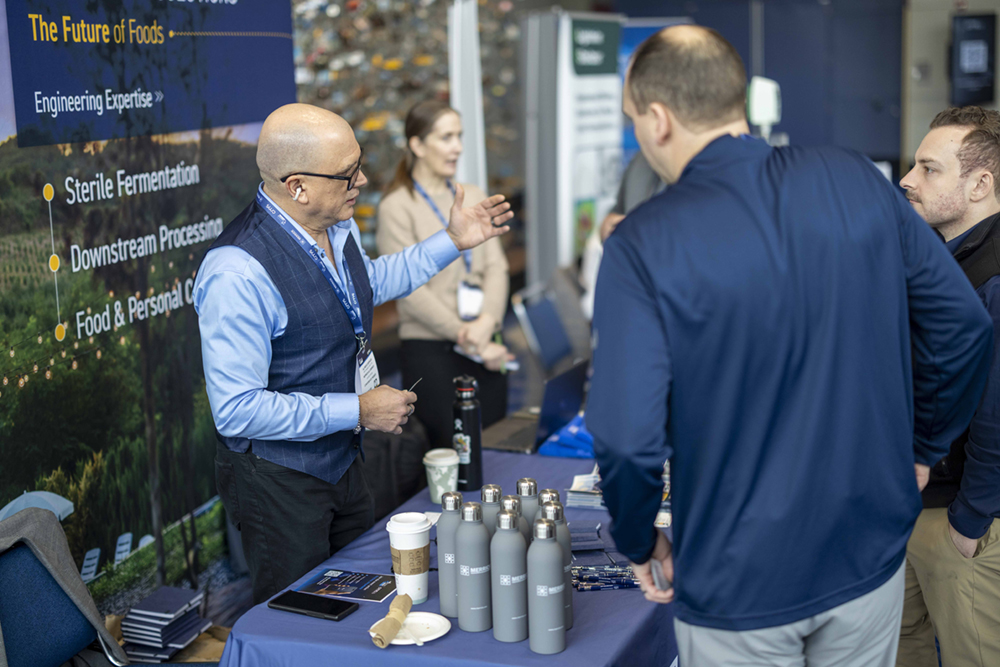
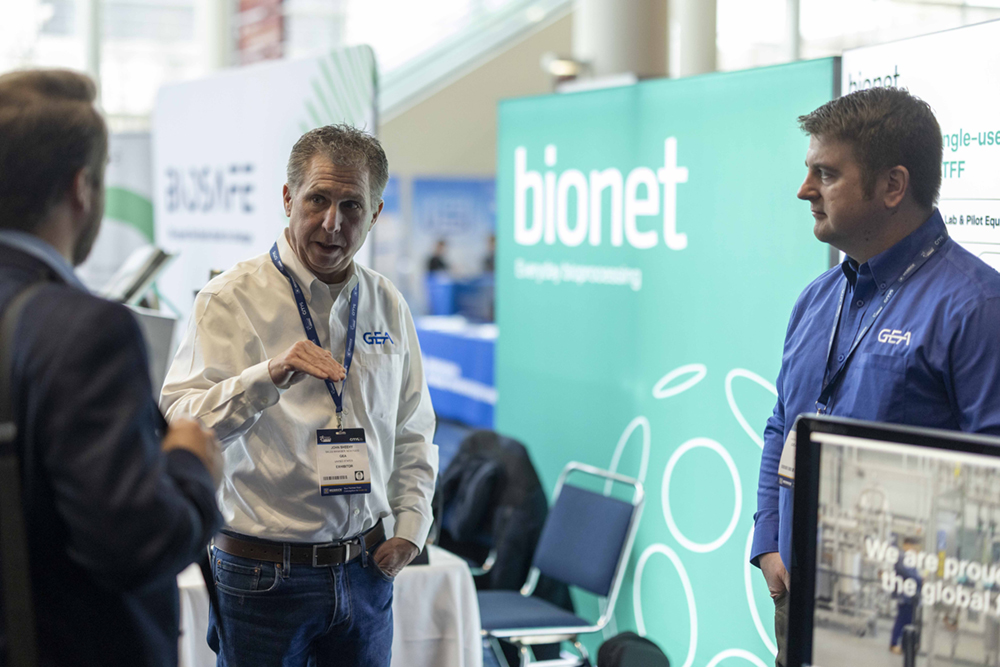
More than 300 delegates and 29 exhibiting companies gathered at Chicago’s McCormick Place on 24-25 February for The Future of Protein Production & Cultured Meat Symposium 2026, marking a noticeable step up from the US launch event in 2024.
A late-season snowstorm sweeping across the US East Coast disrupted some travel plans and kept a handful of speakers and attendees from making the trip. But inside the conference halls, the mood remained energetic – a mix of industry veterans, startup founders, scientists, engineers and investors trading ideas about where the next phase of protein innovation might lead.
The conversation about alternative proteins has evolved dramatically over the past decade. Early conferences in the sector often felt like glimpses of a technological frontier, where scientists and entrepreneurs described radical possibilities for transforming the global food system. In Chicago this year, those ambitions were still present – but the tone had shifted.
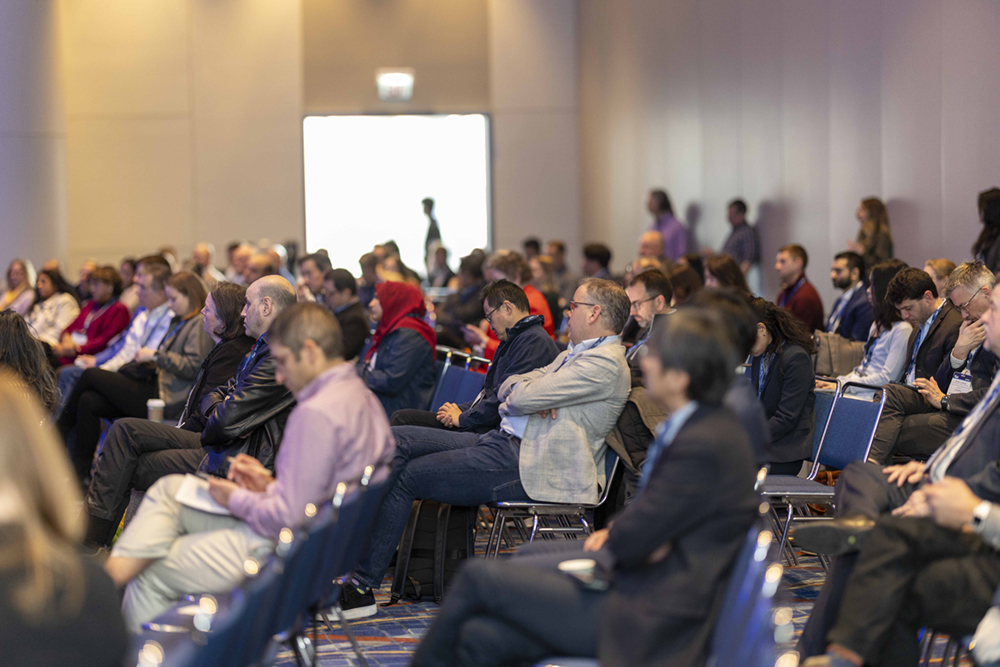
The language of disruption surfaced less often than discussions about infrastructure, engineering trade-offs and capital strategy. Speakers still talked about changing how the world produces protein, yet the questions they explored were far more practical: how to scale fermentation economically, how to design facilities capable of producing food at industrial volumes, and how companies can survive long enough to reach that stage.
Across two days at McCormick Place, a wide mix of voices – founders, researchers, investors, engineers and policymakers – offered their perspectives on where the sector stands today.
What emerged from the discussions was a picture of an industry beginning to confront the difficult transition from promising science to functioning food systems.
The system-level argument for change
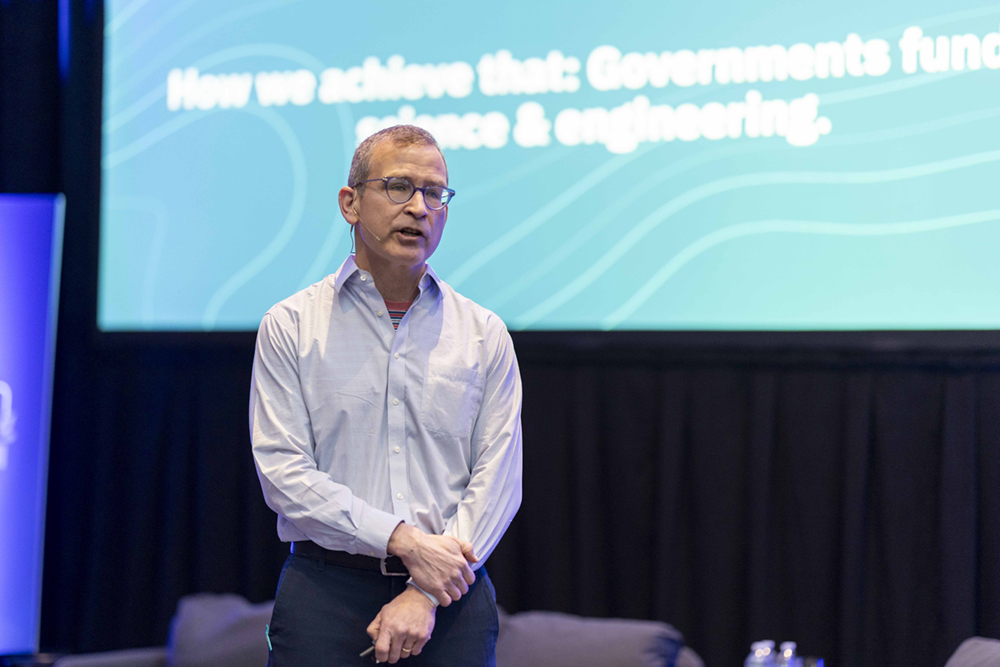
Bruce Friedrich of The Good Food Institute opened the broader conversation with a systems-level perspective on why alternative proteins exist in the first place.
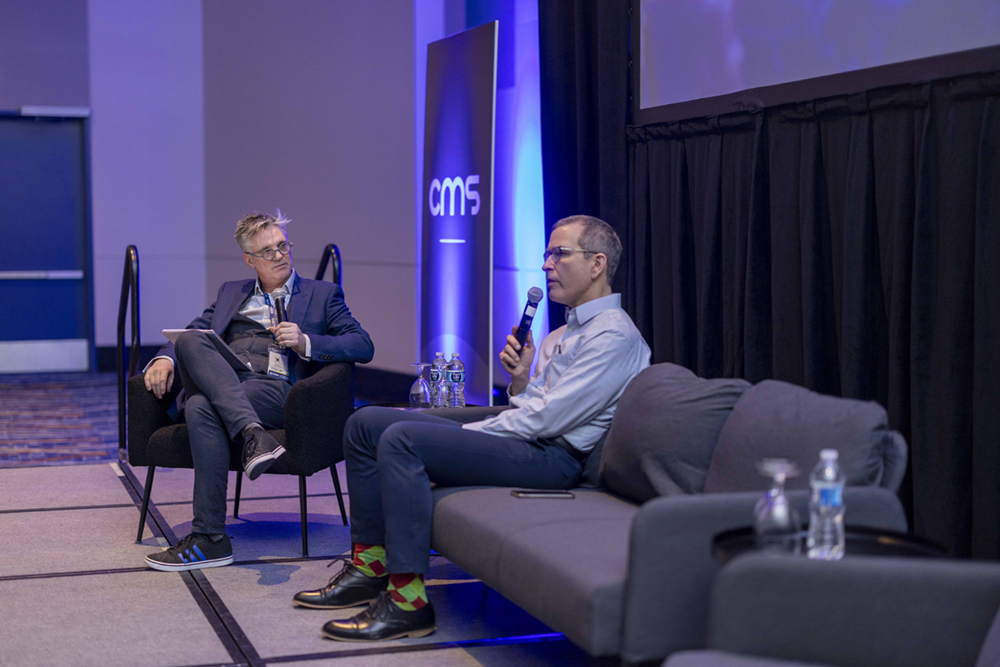
Speaking in a fireside discussion with Alex Crisp later on, Friedrich framed the challenge not simply as a matter of food innovation but as a global systems problem involving climate change, biodiversity, public health and food security. Transforming how protein is produced, he argued, requires simultaneous progress in science, policy and markets.
That framing set the stage for a conference that repeatedly moved between technology and systems thinking.
Environmental advocate Glenn Hurowitz, Founder & CEO of Mighty Earth, delivered one of the most direct arguments for change. His presentation drew attention to the environmental footprint of livestock production, including deforestation and greenhouse gas emissions linked to cattle and feed crops. Hurowitz emphasized the role that retailers, investors and corporate procurement strategies could play in accelerating shifts toward alternative proteins.
The scale of the challenge was reinforced in a separate presentation by Karl Smithback, Director of Commercial Operations for North America at Solar Foods. Smithback introduced Solein, a microbial protein produced through gas fermentation that feeds microorganisms with carbon dioxide, hydrogen and renewable electricity. The result is a nutrient-rich biomass containing roughly 80% protein along with fiber, unsaturated fats and micronutrients such as iron and vitamin B12.
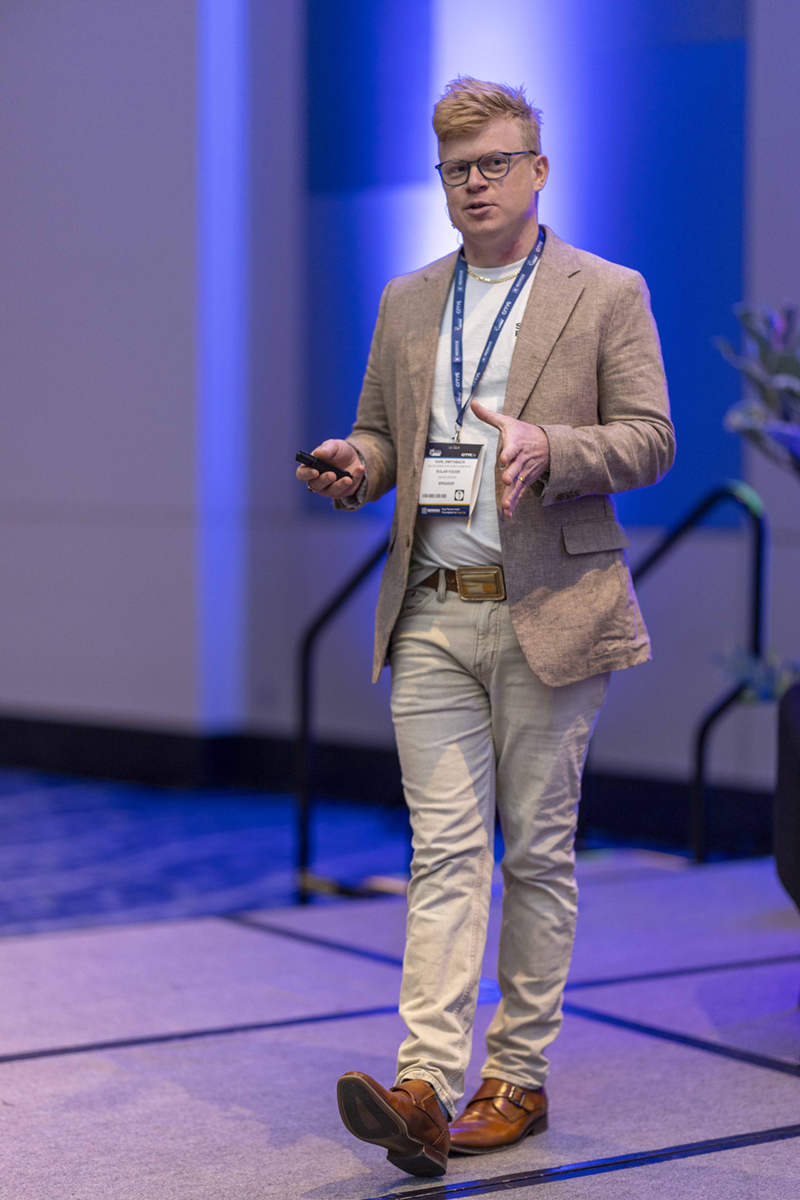
The concept – producing food from air and electricity – captures attention easily. Yet Smithback’s argument was grounded in efficiency. New production systems that decouple food from agricultural land could dramatically reduce resource requirements while expanding global protein supply.
Solar Foods’ technology has already reached commercial production at its Factory 01, with further expansion planned. It has even been recognized by NASA’s Deep Space Food Challenge, where compact fermentation systems could support future space missions.
Fermentation: an old technology with new ambitions
Fermentation appeared repeatedly throughout the conference as one of the most promising technological pathways for producing alternative proteins.
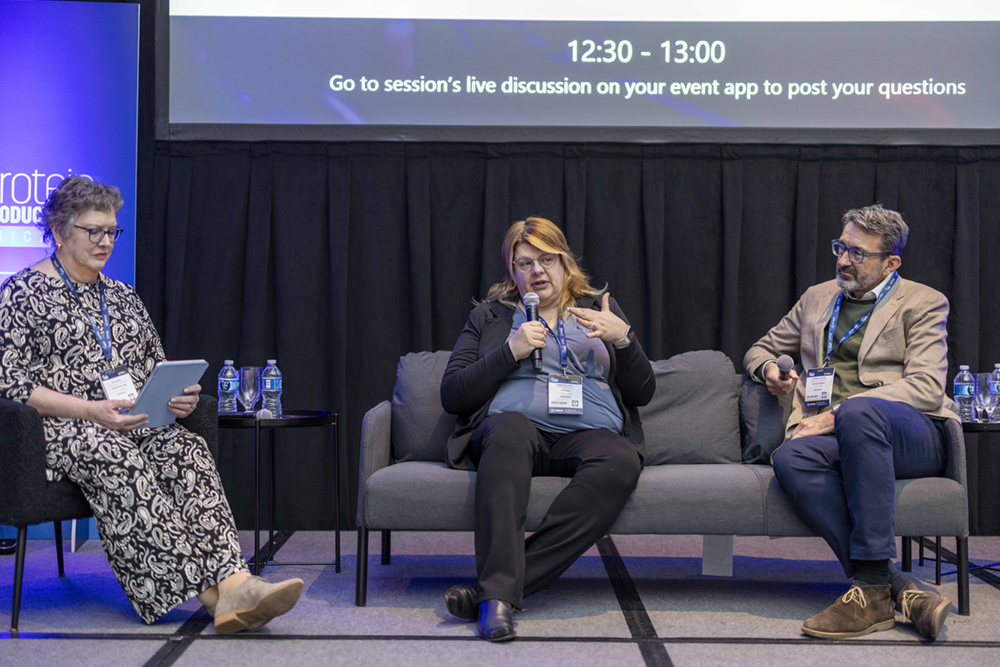
In a panel titled Fermentation as the Bridge Between Legacy & Novel Foods, moderator Kantha Shelke of Johns Hopkins University brought together David Ziskind of Mach Global Advisors, Elizabeth Teigland of Tetra Pak, John Krzywicki of Checkerspot, and Troels Prahl of Swan Neck Bio.
The discussion highlighted how fermentation connects centuries-old food traditions with modern biotechnology. Traditional fermentation has long been used to make products such as bread, cheese and beer. Today’s fermentation platforms extend that heritage into new territory: growing microbial biomass as food ingredients or producing specific proteins and fats through precision fermentation.
Krzywicki discussed how engineered microbes can create novel fats and oils, while Teigland focused on the engineering challenge of scaling fermentation infrastructure. Ziskind and Prahl added a systems perspective, emphasizing the importance of feedstock availability, water management and facility design.
The panel underscored a broader point: fermentation is familiar technology, but the scale envisioned by modern protein startups demands new manufacturing ecosystems.
A related fireside conversation between Thierry Duvanel of Bühler Group and Shannon Hall of Pow.bio, moderated by Lisa M. Keefe, explored how digital tools could accelerate fermentation scale-up. Hall described the use of digital twins – software models that simulate biological processes inside fermenters – to predict and optimize production outcomes.
Duvanel emphasized that scaling fermentation involves more than improving microbes. Oxygen transfer, feedstock economics, downstream processing and facility design all play critical roles.
Fungi steps into the spotlight
Fungal proteins and mycoprotein systems were another recurring theme.
Paul Shapiro of The Better Meat Co. presented the company’s Rhiza mycoprotein platform, produced through continuous biomass fermentation. Shapiro argued that fungi could play multiple roles in the food system: as standalone protein ingredients, as enhancers for plant-based foods, or as components of hybrid meat products.
Consumer testing cited during the presentation suggested that burgers containing a blend of beef and Rhiza mycoprotein were often preferred over conventional beef burgers, while also reducing environmental impact.
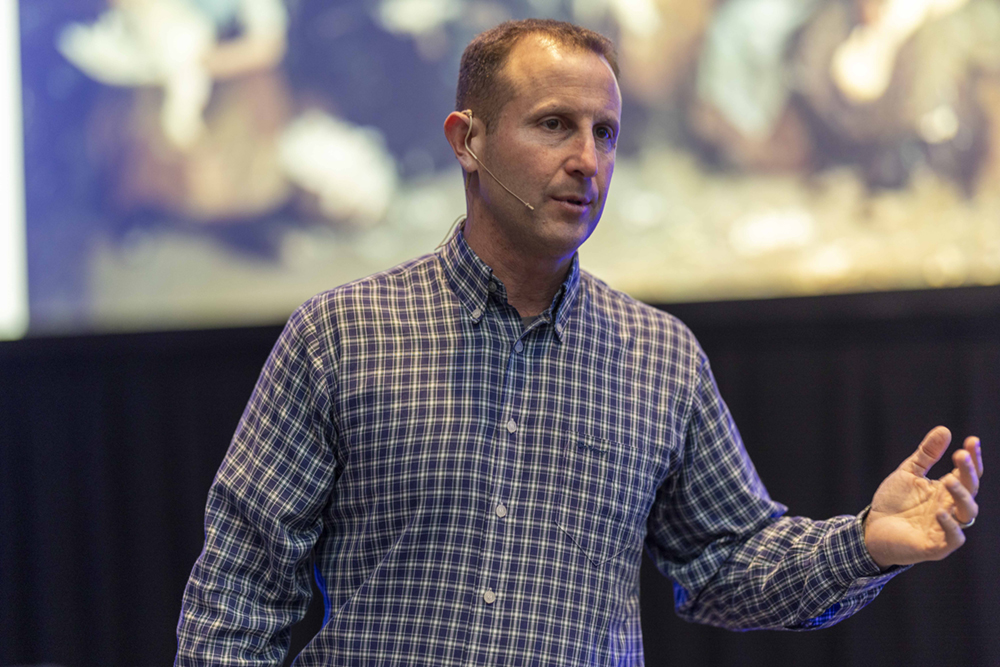
Fungi were also the focus of a panel titled Building the Mycelium Economy, moderated by Elizabeth Horst. Panelists included Sean Lacoursiere of Maia Farms, Michael Fox of Fable Food Co., and Shapiro.
Speakers discussed how mycelium’s natural fibrous structure and umami flavor make it particularly well suited for meat-like applications. But they also acknowledged the infrastructure challenges involved in scaling production, including fermentation capacity and downstream processing.
Rethinking cultivated meat
The Cultured Meat Symposium track explored the progress and challenges facing cell-cultured protein technologies.
Lou Cooperhouse, Founder & CEO of BlueNalu, outlined the company’s strategy for cultivated seafood. Global demand for seafood continues to rise while many fisheries remain overexploited. BlueNalu’s approach involves producing fish directly from cell cultures, beginning with high-value species such as bluefin tuna toro targeted at premium sushi markets.
Elsewhere, the conversation became more introspective.
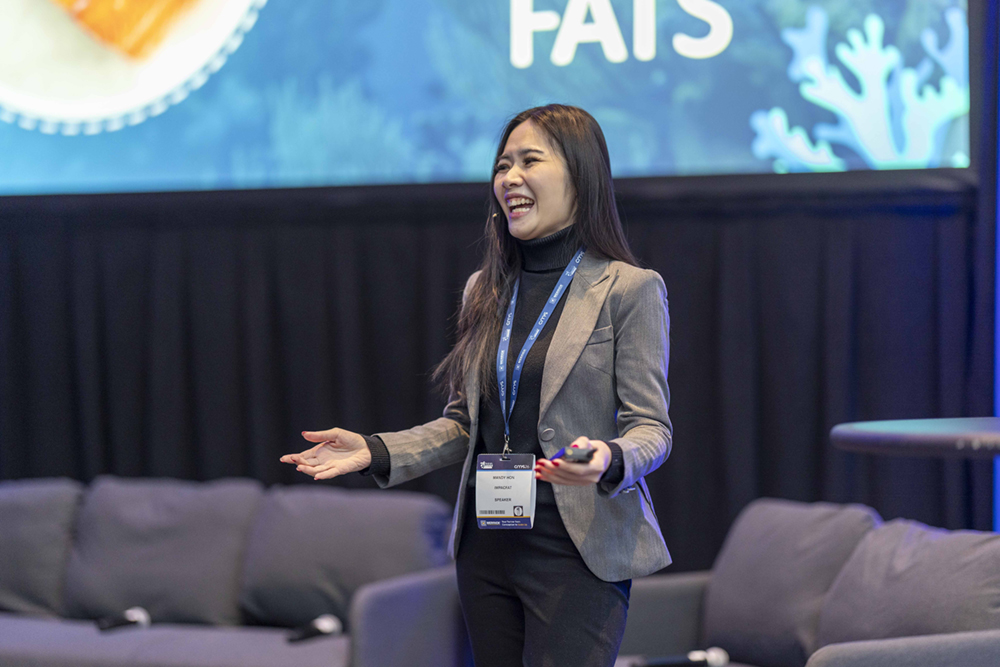
A panel titled Is It Time to Rethink Cultivated Meat?, moderated by Alex Shirazi, brought together David Kay, Mandy Hon of ImpacFat, and Sophie Almond-Chalmers of the UK Food Standards Agency. The discussion examined how investment timelines, regulatory pathways and commercialization strategies may evolve as the sector matures.
Hybrid approaches – blending cultivated components with conventional meat – emerged as one potential pathway toward near-term market entry.
The symposium also featured presentations examining the scientific foundations of cultivated meat production. Edward Weinstein of Panome Bio described how metabolomics and proteomics analysis can reveal thousands of molecular signals inside cell cultures, helping researchers identify nutrient imbalances and metabolic bottlenecks.
Timothy Olsen of EdiMembre presented a novel approach to cultivated meat structure using edible protein membranes designed to mimic biological vasculature.
And Jim Miller of Evergreen discussed cultivated bovine biomass designed to blend with conventional beef, positioning cultivated meat as a way to stabilize supply chains rather than replace them entirely.
The inputs behind the biology
Several panels focused on the foundational inputs required for cultivated meat production.
In a session on cell lines and growth media, moderator Valentin García Alcocer of Eatable Adventures was joined by Phillip Freeman of Clever Carnivore, Natalie Rubio of Tufts University, Andrew Sayles of Livestock Labs, and Jim Miller.
The conversation highlighted the importance of robust cell lines, consistent growth media formulations and reliable supply chains. Growth media alone can account for a large share of production costs, and reducing those costs remains a critical step toward commercial viability.
Rubio also appeared in a fireside discussion exploring the Tufts University Open Cell Bank, alongside Michael Saad and Paul Burridge of Clever Carnivore. The initiative aims to make food-relevant cell lines and media formulations more widely accessible, lowering barriers for researchers and startups entering the field.
The discussion raised broader questions about which elements of cellular agriculture should remain proprietary and which might benefit from shared infrastructure.
The engineering reality
While biology dominates headlines, several presentations emphasized the importance of engineering.
Rick Luedke of Beckman Coulter Life Sciences described microbioreactor platforms designed to accelerate upstream bioprocess screening, enabling faster experimentation with microbial strains and fermentation conditions.
Jeremy Owen of Black & Veatch, Kartheek Anekella of Pall Corporation, Tim Barnett of GEA Group, and Ryan Sylvia of EdiMembre joined moderator Lisa M. Keefe for a panel examining the design of cultivated meat production facilities.
The conversation explored whether the industry may be overengineering systems by borrowing too heavily from pharmaceutical manufacturing standards rather than designing equipment specifically for food production.
Another presentation by Jack Higgins of Merrick & Company focused on downstream processing – the separation and purification systems that can account for up to half of total project costs in fermentation-enabled protein production.
The message was consistent across sessions: successful protein technologies must be engineered carefully from lab bench to factory floor.
Markets, messaging and consumer reality
Technology alone does not determine the future of food.
A panel titled From Hype to Impact, moderated by Caroline Cotto of NECTAR, brought together Tim Polkowski of ProVeg International, Tony Martens of Plantible, Mark Engel of Fifth Taste Foods, and Gregory Jaffe of Jaffe Policy Consulting.
The discussion examined the expectations of flexitarian consumers – people willing to reduce meat consumption but unwilling to compromise on taste, price or convenience.
Blended products and ingredient innovations may offer a pragmatic pathway toward broader adoption.
Another session tackled the messaging challenges surrounding cultivated meat. Moderated by Melissa Musiker, the panel included Cameron Harsh of World Animal Protection, Michael Silberman of Food Disinfo Lab, Paul Burridge (Clever Carnivore), and Vicky Bond of Madre Brava.
The conversation examined whether misinformation or unrealistic marketing claims have contributed more to public skepticism around cultivated meat.
Capital meets reality
No discussion of alternative proteins would be complete without addressing funding.
Investor Heather Courtney or Alwyn Capital presented an overview of emerging financing models for capital-intensive food technologies, highlighting the growing role of blended finance structures combining venture capital, grants, strategic partnerships and public funding.
A panel moderated by Adam Bergman of EcoTech Capital brought together founders Tony Martens, Sean Lacoursiere, and Niyati Gupta of Fork & Good to discuss real-world fundraising experiences.
The tone reflected a sector adjusting to a tighter investment climate where capital efficiency and clear commercialization pathways carry increasing weight.
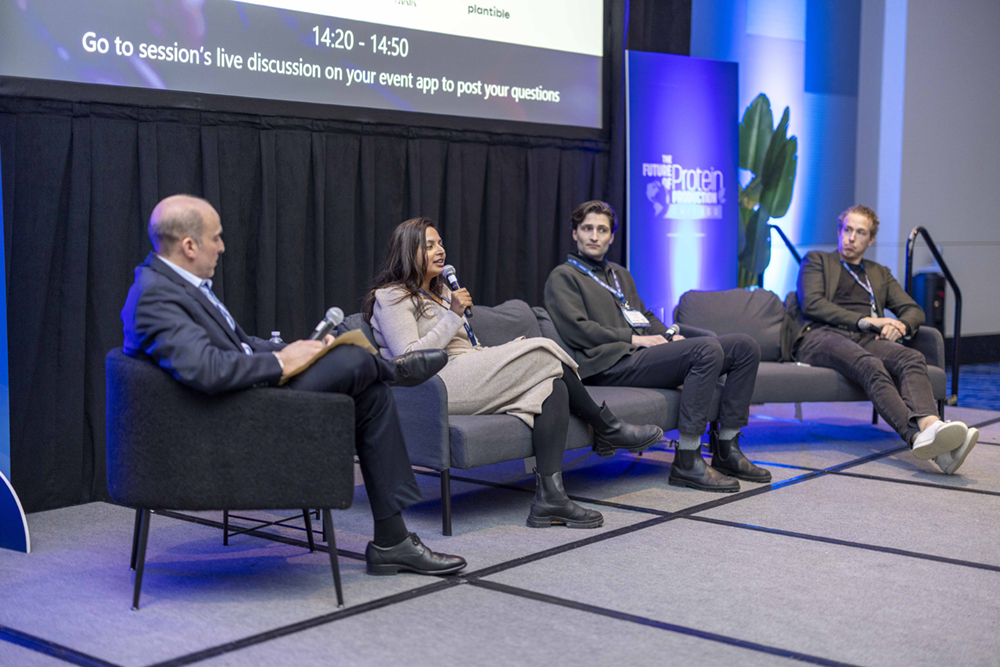
The conference concluded with an investor panel moderated by Mandy Hon, featuring Bergman, Courtney, Steve Simitzis of Replicator VC, and Aaditi Tamhankar of Bluestein Ventures.
After the surge of funding that flowed into alternative proteins between 2020 and 2022, investors are now asking tougher questions about timelines, infrastructure costs and execution risk.
But the panelists emphasized that interest in the sector remains strong – particularly for technologies with clear paths to revenue and scalable manufacturing models.
An industry finding its footing
Taken together, the discussions in Chicago suggested a sector entering a new phase of maturity.
The scientific breakthroughs that defined the early years of alternative proteins remain essential. But the next chapter will depend increasingly on engineering, infrastructure and financial discipline.
Building fermentation facilities, optimizing downstream processing and integrating new ingredients into existing supply chains may ultimately prove just as important as developing new microbial strains or cell lines.
The vision of transforming the global protein system remains ambitious. But in Chicago, the conversation increasingly focused on the practical steps required to make that transformation possible.
The Future of Protein Production x Cultured Meat Symposium will return to McCormick Place in Chicago on 20-21 April 2027

Join Us At One Of Our Upcoming Events

If you have any questions or would like to get in touch with us, please email info@futureofproteinproduction.com

More News