IntegriCulture reaches full-year profitability as cellular agriculture moves beyond the hype

Tokyo, Japan-based IntegriCulture has achieved full-year profitability for FY2025, marking a significant commercial milestone for the Japanese cellular agriculture company.
The company confirmed that it reached profitability on a full-year basis for the period spanning October 2024 to September 2025. The result reflects revenue generated across both its product and infrastructure operations.
• IntegriCulture achieved full-year profitability for FY2025, covering October 2024 to September 2025.
• Revenue was evenly split between cellular agriculture cosmetics ingredients and cellular agriculture infrastructure businesses.
• Multiple CulNet Consortium products reached commercialization during the fiscal year.
Revenue for the year was evenly divided between two core segments: cellular agriculture products, primarily cosmetic ingredients, and cellular agriculture infrastructure.
On the product side, adoption of IntegriCulture’s cellular agriculture cosmetic ingredients expanded during the fiscal year, with an increasing number of manufacturers introducing products utilizing cell-cultured ingredients.
The company’s infrastructure activities contributed the remaining half of total revenue. This segment spans upstream technology development, input materials, and downstream collaborations with corporate partners.
During the fiscal year, several products researched and developed within the CulNet Consortium reached commercialization. These included cell-cultured serum generator units known as Desktop CulNet, along with other input materials that were announced and showcased at AFTEA 2025 and ISCCM 2025.
IntegriCulture also reported steady progress in contract research organization projects delivered for corporate partners, as well as collaborative product development initiatives with sake breweries.
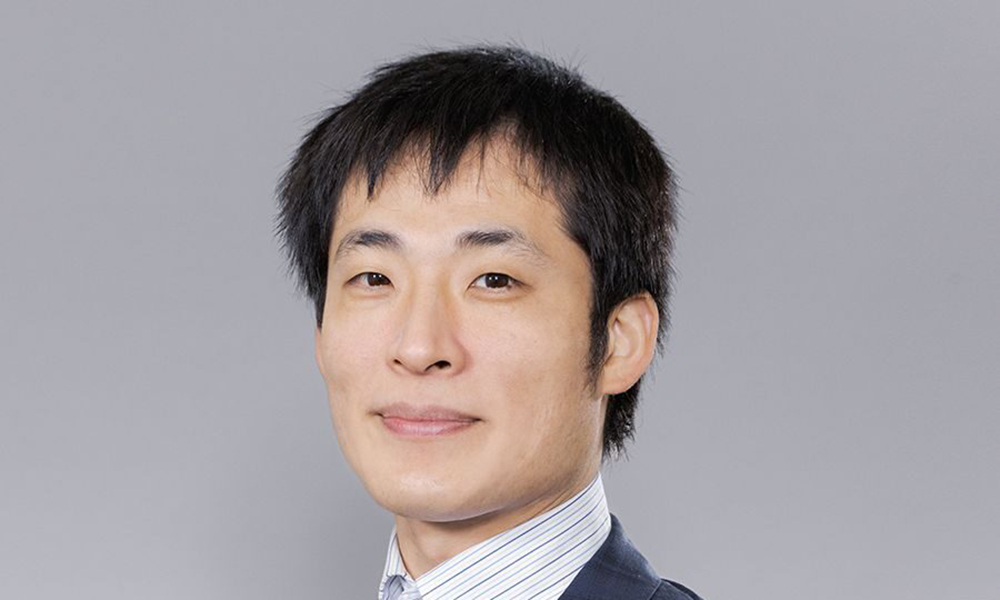
Commenting on the profitability milestone, Yuki Hanyu, Founder & CEO of IntegriCulture, said, “As a general rule, break even point has a significance in the so-called hype of most emerging technologies. I see cellular agriculture as no exception to that, and so does its inflection point. We will continue with the long journey through both scale-up and scale-out, leveraging on the sustained R&D ecosystem we have built.”
The FY2025 result followed additional developments during the year aimed at strengthening the company’s commercial and technical foundation.
In September 2025, IntegriCulture announced the development of a new framework known as 'Food Regulation Pre-Check', alongside two food-grade cell culture agents, 'iDisper' and 'iCoater', designed to address cost and safety barriers in cell-based food production. Two manuscripts detailing these findings were published on the preprint server ChemRxiv in September 2025.
According to the company, the framework reversed the conventional development sequence by screening potential materials for compliance with food regulations before evaluating functionality, with the aim of eliminating commercialization risks at an early stage.
Commenting at the time, Hanyu said, “To make cellular foods an everyday option that consumers can enjoy with complete peace of mind, we must overcome the barriers of safety and cost with scientific evidence. We are proud to share our novel ‘Food Regulation Pre-Check’ framework and its successful results with the world in the form of a transparent, scientific paper. We are confident that this work will contribute to the sustainable growth and integrity of the entire cellular agriculture industry.”
In December 2025, the company also launched 'Cellag', a new cellular agriculture brand developed under its vision of 'Universally Accessible Cellular Agriculture'. IntegriCulture described Cellag as an open brand designed for use not only on its own products but also on those from other companies across food, cosmetics, and materials.
The company stated that it anticipated a 'protein crisis' around 2030 due to global population growth and economic development, and said it believed cellular agriculture could serve as one of the key solutions.
The full-year profitability result places IntegriCulture among a limited number of cellular agriculture companies reporting sustained operating performance across both product and infrastructure activities.
(Main photo shows Yuki Hanyu, Founder & CEO and Ikko Kawashima, CTO/COO)

Join Us At One Of Our Upcoming Events

If you have any questions or would like to get in touch with us, please email info@futureofproteinproduction.com

More News