MOA Foodtech launches fermentation-derived egg reducer to help manufacturers navigate Europe’s volatile egg market

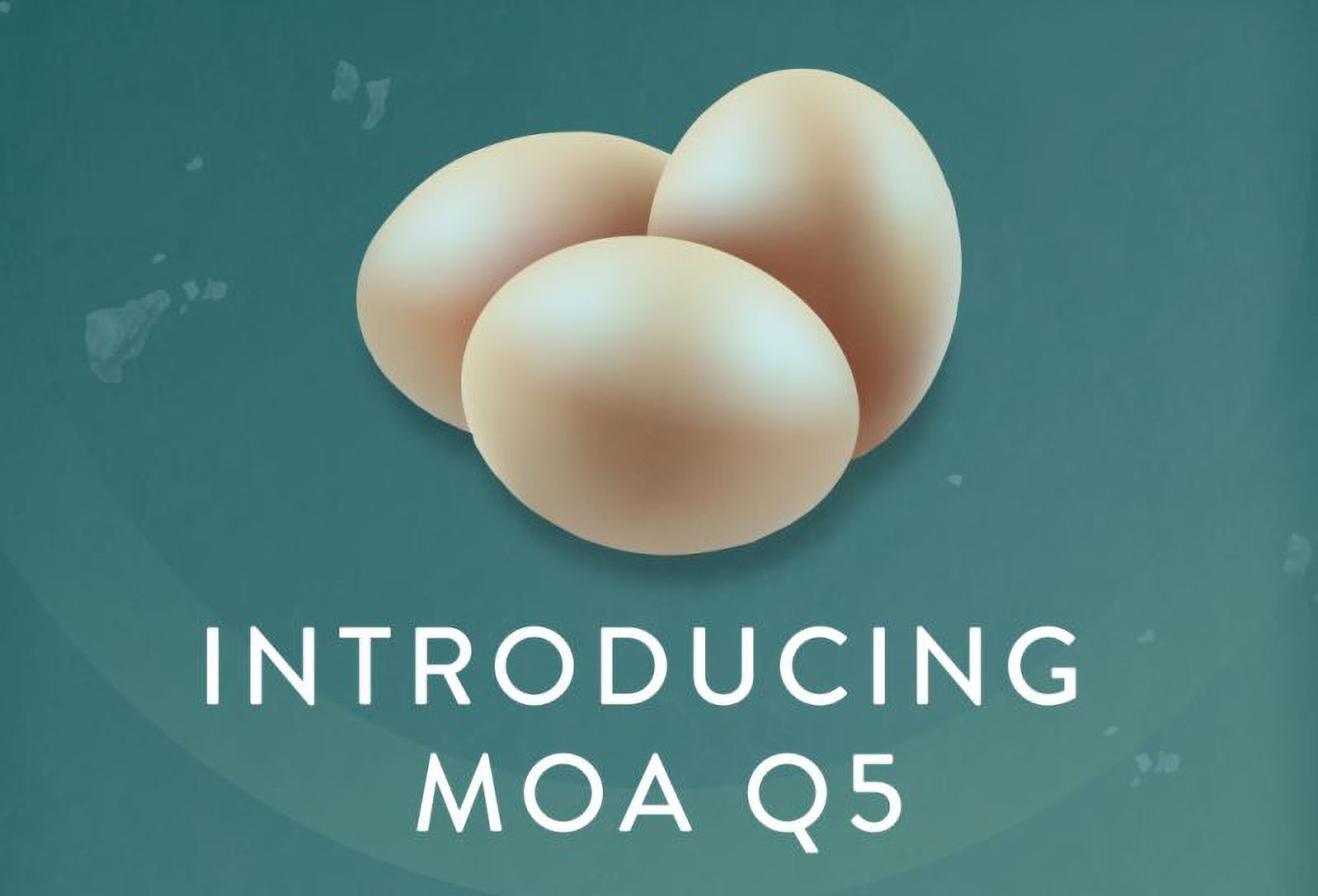
Spanish fermentation specialist MOA Foodtech has unveiled a new ingredient designed to reduce dependence on eggs across a range of food applications, offering manufacturers a way to manage ongoing price and supply instability in the European egg market. The launch of MOA Q5 comes amid sustained disruption caused by avian flu and Newcastle disease outbreaks, which have led to the culling of millions of birds and pushed egg costs to their highest levels in more than a decade.
Green Queen, which first reported the announcement, noted that egg prices in Europe rose by 20% in October compared with the same month last year and remain nearly 50% higher than the average from 2020 to 2024. The European Commission recorded prices climbing from €237 per kg to almost €275 between January and October, with particularly sharp increases in Germany, Poland, Spain, and the Netherlands.
The combination of disease-linked culls, delayed purchasing by some powdered egg buyers, and the wider cost-of-living pressures affecting food supply chains has created persistent volatility. In response, several companies have moved to develop functional egg replacements using ingredients such as pea protein and aquafaba. MOA Foodtech’s approach, however, is based on its AI-guided fermentation platform, Albatros, which converts food industry byproducts into high-value biomass.
Founded in 2021, the company has already commercialized ingredients for pet food, meat analogues, and snacks. Its latest product, MOA Q5, is a single-ingredient solution intended to replicate key egg functionalities in baked goods, pasta, and other applications. According to MOA Foodtech, the ingredient supports emulsification, foaming, and coagulation while maintaining structure, volume, color, and elasticity in finished products.
MOA Q5 is designed to help manufacturers reduce or eliminate egg use where full removal isn’t necessary, offering a clean-label option that can also simplify allergen management. The company said the ingredient is suitable for large-scale bakery operations, pasta producers, premix manufacturers, and R&D teams reformulating recipes in response to fluctuating ingredient markets.
Bosco Emparanza, Co-founder & CEO of MOA Foodtech, said the launch reflects growing industry interest in reliable, fermentation-based alternatives. “MOA Q5 represents the next chapter in functional ingredient innovation: a fermentation-derived solution that matches egg’s performance while unlocking cleaner labels and far more predictable supply,” he said. He added that the ingredient would allow manufacturers to stabilize costs, streamline production, and adopt more circular sourcing strategies. “Manufacturers want reliability without sacrificing quality. MOA Q5 delivers that reliability, while also offering a circular sourcing model that strengthens sustainability credentials,” he said.
The underlying fermentation platform produces a biomass containing all essential amino acids and a protein digestibility score of 0.9, comparable to established proteins such as soy, beef, eggs, and casein. MOA Q5 builds on this foundation to provide an egg-like performance profile without reliance on poultry-derived ingredients.
MOA Foodtech introduced the ingredient publicly at the Food Ingredients Europe trade fair in Paris, where it featured in muffins, cakes, and other baked products. Emparanza said the event offered an ideal setting to demonstrate how biotechnology and AI can support more resilient ingredient systems. “We’re excited to show manufacturers what’s possible when biotechnology, AI, and circularity work together: a truly functional, scalable alternative that performs like eggs, but behaves like a modern ingredient,” he said.
With egg prices and availability expected to remain unpredictable in the short term, MOA Q5 gives producers another option for maintaining product performance while reducing exposure to a volatile market.

Join Us At One Of Our Upcoming Events

If you have any questions or would like to get in touch with us, please email info@futureofproteinproduction.com