NNB and Axiom Foods launch PeptiClear plant proteins to target whey supply constraints

NNB Nutrition and Axiom Foods have partnered to introduce PeptiClear, a range of hydrolyzed plant protein ingredients designed to deliver improved solubility, clarity and flavor neutrality across food and beverage applications, as manufacturers contend with constrained whey protein supplies and growing demand for higher-protein products.
• NNB Nutrition and Axiom Foods partnered to introduce PeptiClear, a range of hydrolyzed plant proteins developed for improved solubility, clarity and neutral flavor.
• The companies targeted applications including functional beverages, frozen desserts, confectionery, baked goods, sauces, dressings and high-protein snacks.
• NNB also paired the platform with DL-185, its di-leucine peptide ingredient, which has been investigated in human studies for muscle protein synthesis and strength.
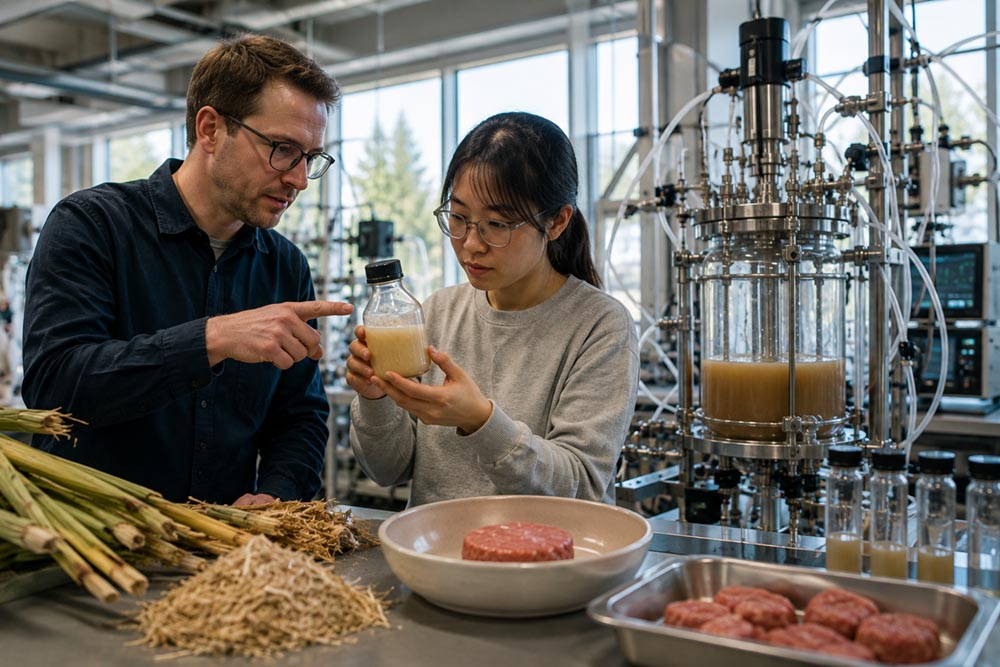
The companies have developed PeptiClear as an alternative protein platform for formulations where conventional plant protein ingredients can present technical challenges, particularly around taste, texture, dispersibility and appearance.
NNB and Axiom Foods reported that the hydrolyzed proteins were designed to provide a more neutral flavor profile alongside high solubility and clarity, potentially widening the range of products in which concentrated plant proteins could be incorporated.
The technology targeted categories extending well beyond conventional protein powders and sports nutrition. Potential applications included functional and ready-to-drink beverages, ice cream and other frozen desserts, condiments, dressings, sauces, confectionery, baked goods, snacks and everyday functional foods.
That functionality has become increasingly important as food and beverage manufacturers have sought to add meaningful quantities of protein to products that were not traditionally formulated as high-protein foods.
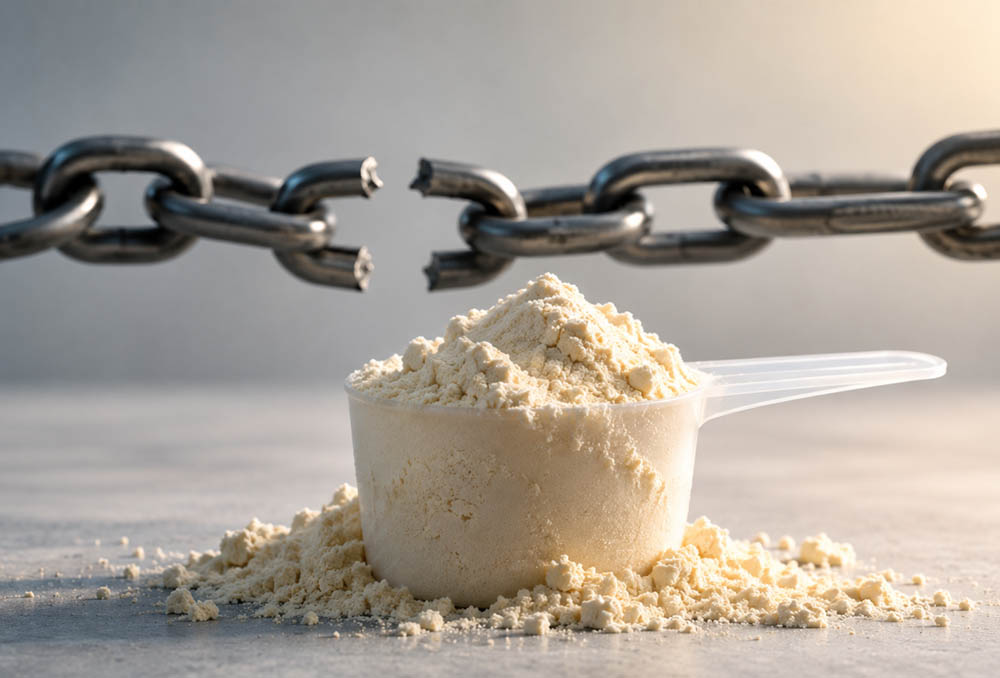
Whey has remained a widely used option because of its nutritional quality and functional performance, but production has been inherently linked to the wider dairy and cheese industries. Unlike a dedicated fermentation or ingredient manufacturing process that can potentially add capacity in response to demand, whey availability depends heavily on the economics and output of dairy processing.
NNB argued that the resulting supply dynamics have contributed to tighter availability and higher costs as demand for protein ingredients has expanded.
For smaller food companies in particular, securing sufficient whey volumes can become difficult when competing with multinational manufacturers holding greater purchasing power or longer-term supply agreements.
PeptiClear was developed to give formulators another route.
“NNB believes the future of protein isn't about replacing whey, it's about expanding the world's ability to deliver high-quality protein across every food format,” Dustin Elliott, Chief Brand Officer at NNB, said. “As consumer demand continues to outpace traditional dairy supply, the industry needs innovative solutions that combine functionality, scalability, and performance.”
The partnership also combined PeptiClear with another piece of NNB’s ingredient technology: DL-185, a di-leucine peptide intended to increase the anabolic potential of protein formulations.
DL-185 consists of two leucine molecules linked in peptide form. Leucine is an essential branched-chain amino acid closely associated with the signaling pathways involved in muscle protein synthesis, making it an important consideration in the nutritional quality of protein products.
Rather than relying solely on the inherent amino acid characteristics of the underlying plant protein, NNB proposed DL-185 as an additional component that could be incorporated into food and dietary supplement formulations.
The company cited human clinical research published in the Journal of Applied Physiology in 2021 in which di-leucine ingestion produced approximately 60% greater stimulation of muscle protein synthesis than an equivalent amount of free leucine.
That study investigated the postprandial handling of di-leucine and its effect on muscle protein synthesis, providing evidence for physiological differences between the peptide and free-form leucine.
NNB also referenced a 2024 study published in PLOS ONE involving resistance-trained participants. According to the company, supplementation with di-leucine resulted in greater improvements in strength compared with equivalent leucine supplementation.
Combining the peptide with hydrolyzed plant proteins therefore created a two-part formulation strategy: addressing some of the sensory and functional limitations associated with plant proteins while simultaneously targeting their performance in nutrition-focused products.
For manufacturers, solubility could prove particularly significant.
Plant protein ingredients can present difficulties in clear and low-viscosity beverages because insoluble material, sedimentation, turbidity or undesirable mouthfeel can become increasingly noticeable as protein concentrations rise. Flavor can pose another obstacle, with characteristic cereal, legume or vegetal notes restricting the amount of protein that can be incorporated before additional masking becomes necessary.
Hydrolysis can alter some of those properties by breaking proteins into smaller peptides, potentially changing characteristics including solubility and digestibility. The process can introduce its own formulation considerations, however, making control of the resulting sensory profile important.
NNB and Axiom Foods reported that PeptiClear had been developed specifically to provide improved functionality without the undesirable taste, grittiness and opacity frequently associated with conventional plant protein ingredients.
The partnership arrived as protein enrichment continued to move beyond specialist sports products into mainstream foods and beverages. That shift has increased the technical demands placed on ingredients because protein must increasingly coexist with established product characteristics rather than define the entire formulation.
A clear beverage, for example, presents a different formulation challenge from a protein shake, while adding protein to confectionery, sauces or frozen desserts requires manufacturers to manage different interactions between proteins, fats, carbohydrates, water and processing conditions.
PeptiClear was designed as a platform capable of working across those different formats rather than being restricted to a single category.
Axiom Foods has built its business around plant-derived protein and dairy-alternative ingredients, while NNB Nutrition has focused on nutraceutical ingredient development. NNB reported that it has filed more than 60 patents and introduced more than a dozen novel ingredients to market.
The companies have presented their collaboration as a way of combining plant protein functionality with targeted peptide technology while reducing manufacturers' dependence on dairy-derived protein supply.
Whey is unlikely to disappear from high-protein formulation, particularly in applications where its nutritional and functional properties remain advantageous. The more immediate opportunity for technologies such as PeptiClear could instead lie in expanding the range of viable protein sources available to formulators.
That distinction was central to NNB's approach. Rather than presenting plant protein as a direct replacement for whey in every application, the company has sought to address specific technical barriers that have historically restricted its use.
With protein increasingly appearing in beverages, snacks, desserts and other mainstream categories, ingredients capable of delivering higher concentrations without substantially changing flavor, texture or appearance could give product developers greater room to formulate around supply constraints.
Pairing those properties with DL-185 also gives NNB and Axiom Foods a route to address the nutritional performance question that has frequently accompanied comparisons between plant and dairy proteins.

Join Us At One Of Our Upcoming Events

If you have any questions or would like to get in touch with us, please email info@futureofproteinproduction.com