Pressure-controlled CO2 processing improves texture in pea protein meat analogs, study finds

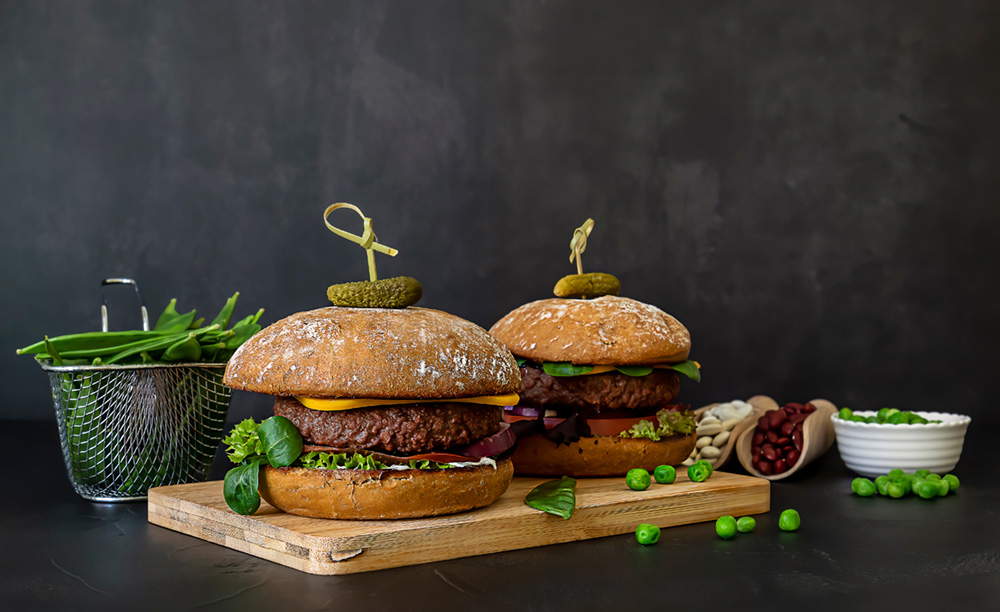
Researchers have reported that controlled carbon dioxide injection pressure significantly influenced the structural and textural properties of meat analogs made from isolated pea protein, suggesting a new processing lever for improving plant-based meat performance.
• Researchers tested how different CO2 injection pressures affected the physicochemical and textural properties of isolated pea protein meat analogs.
• The study reported an optimal pressure range that improved water holding capacity, gel strength, and fibrous structure, while higher pressures caused protein degradation and weaker texture.
• The work suggested the method could integrate with existing structuring approaches and might be applicable to other plant proteins beyond pea.
The study examined how varying levels of injected CO2 affected protein behavior during structuring, with results indicating measurable changes in water retention, gel strength, and fibrous network formation. The findings pointed to an optimal pressure range that enhanced cohesion and bite, while excessive pressure led to structural weakening.
Pea protein has become a widely used raw material for meat alternatives due to its availability, amino acid profile, and low allergen risk. However, its application has been constrained by challenges related to texture, binding, and mouthfeel. The researchers investigated whether gas-assisted processing could address those limitations without relying on additional chemical modifiers.
CO2 was introduced as a processing aid under controlled pressure conditions, allowing it to dissolve into the protein matrix and influence molecular interactions. According to the study, moderate pressure levels promoted partial protein unfolding and reorganization, supporting stronger intermolecular bonding and more uniform network formation. These changes were associated with increased water holding capacity and improved mechanical strength in the final product.
The research team evaluated multiple pressure settings and analyzed resulting samples using rheological testing, microscopy, and texture profile analysis. Results showed that increasing CO2 pressure improved protein solubility and gel formation up to a defined threshold. Beyond that point, excessive pressure caused protein degradation, reducing structural integrity and negatively affecting texture.
Microscopic imaging revealed that samples processed under optimal CO2 pressure developed more aligned and continuous internal structures compared with untreated controls. These features are considered important for replicating the fibrous characteristics of conventional meat.
The study also assessed sensory-related parameters, finding that CO2-treated samples exhibited increased juiciness and a more cohesive bite. The researchers attributed these effects to improved water binding and more stable gel networks within the protein matrix.
From a chemical perspective, the introduction of CO2 caused localized acidification, altering electrostatic interactions between protein molecules. This shift facilitated tighter protein-protein associations during structuring while maintaining the nutritional composition of the pea protein.
The authors noted that CO2-assisted processing could offer environmental and operational advantages. CO2 is already widely captured and reused across industrial processes, and its application as a temporary processing aid may reduce the need for additional additives. The approach could also integrate with existing extrusion and protein structuring equipment commonly used in plant-based food manufacturing.
Scalability was identified as a key advantage of the method. The researchers suggested that pressure-controlled CO2 injection could be implemented with limited modification to current production lines, allowing manufacturers to adjust texture outcomes through process parameters rather than formulation changes.
While the study focused on isolated pea protein, the researchers said the underlying mechanism could be applicable to other plant protein sources, including legume- and cereal-derived ingredients. This adaptability could support broader diversification of meat analog products as raw material availability and pricing fluctuate.
The findings underscored the importance of precision in gas-assisted processing, with small variations in pressure leading to significant differences in protein functionality. The researchers concluded that CO2 injection pressure represented a controllable variable for tailoring texture in plant-based meat systems.
The study was titled Effects of CO2 injection pressure on physicochemical and textural properties of isolated pea protein-based meat analog and was published in Food Science and Biotechnology in 2026.

Join Us At One Of Our Upcoming Events

If you have any questions or would like to get in touch with us, please email info@futureofproteinproduction.com