ProFuse reports cultivated meat cost reduction as €2.43 million EU muscle technology project concludes

ProFuse has completed a €2.43 million European Innovation Council-backed project to develop technologies aimed at making cultivated muscle faster and cheaper to produce, including industrial testing that reduced production costs at cultivated meat company SuperMeat.
• ProFuse completed a €2.43 million EIC-backed project developing muscle-growth supplements and a non-GM bovine myoblast cell line for cultivated meat production.
• Testing with SuperMeat accelerated cell maturation and increased overall muscle yield, reducing production time and the resulting production cost per kilogram.
• The company advanced its technology from 2D cultivation into 3D systems while preparing regulatory safety documentation, licensing models and customer proof-of-concept programs.
The PROFUSE project ran from April 2024 until March 2026 and received €2.43 million through the European Innovation Council. It focused on one of the more difficult parts of cultivated meat production: efficiently turning proliferating cells into mature muscle tissue at industrially relevant scale.
“Cultivated meat has three big challenges ahead of it: cost parity with farm-grown meat, scale-up, and quality and taste,” said Guy Nevo Michrowski, project coordinator of PROFUSE. “We specialize in enabling technologies for growing muscle. Steak is muscle, chicken breast is muscle.”
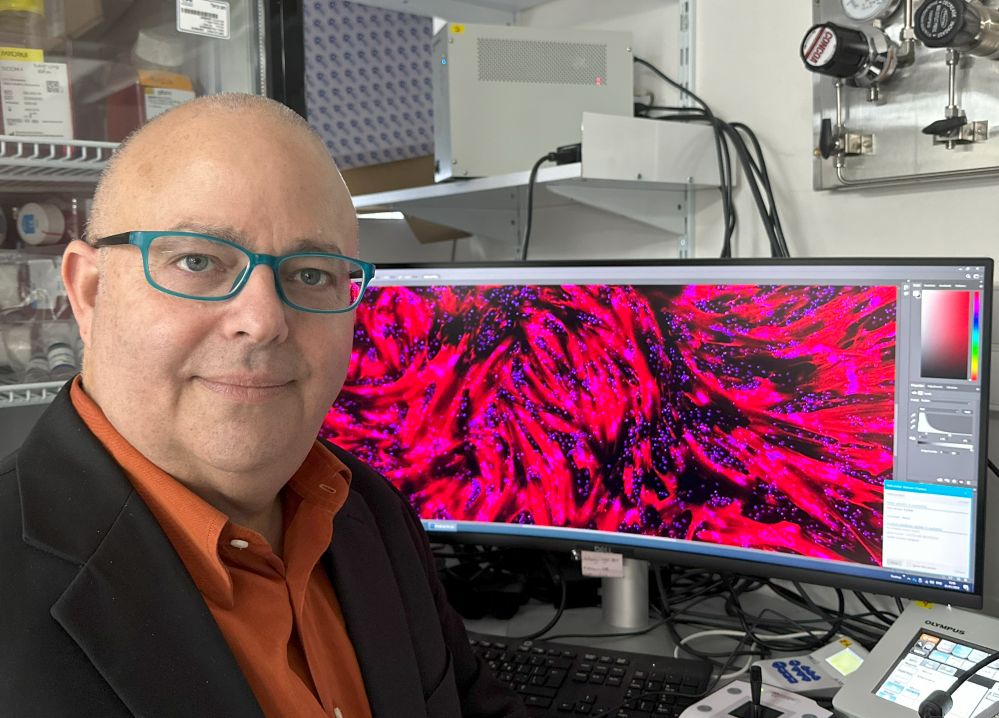
ProFuse's approach centers on myoblasts, precursor cells that develop into muscle fibers. During the project, the company worked on cell lines, cultivation methods, AI-based analysis and media supplements intended to accelerate differentiation and maturation.
Its PROFUSE-S1 supplement was developed to help immature muscle cells form mature muscle fibers more rapidly and efficiently. ProFuse subsequently advanced a second-generation product, PROFUSE-S2, with work extending from conventional 2D cultivation into 3D systems designed to better represent commercial cultivated meat production.
“The main goal was not just to do everything on a 2D surface, but to test it in a 3D system that more closely mimics how cultivated meat would be produced in a factory and how a steak looks on the plate,” Michrowski said.
The company also developed a bovine muscle cell line for cultivated meat production without genetic modification. According to project reporting, the system combines a non-GM bovine myogenic cell line capable of growth and differentiation under serum-free conditions with media supplements designed to promote muscle differentiation and production of scalable 3D muscle constructs.
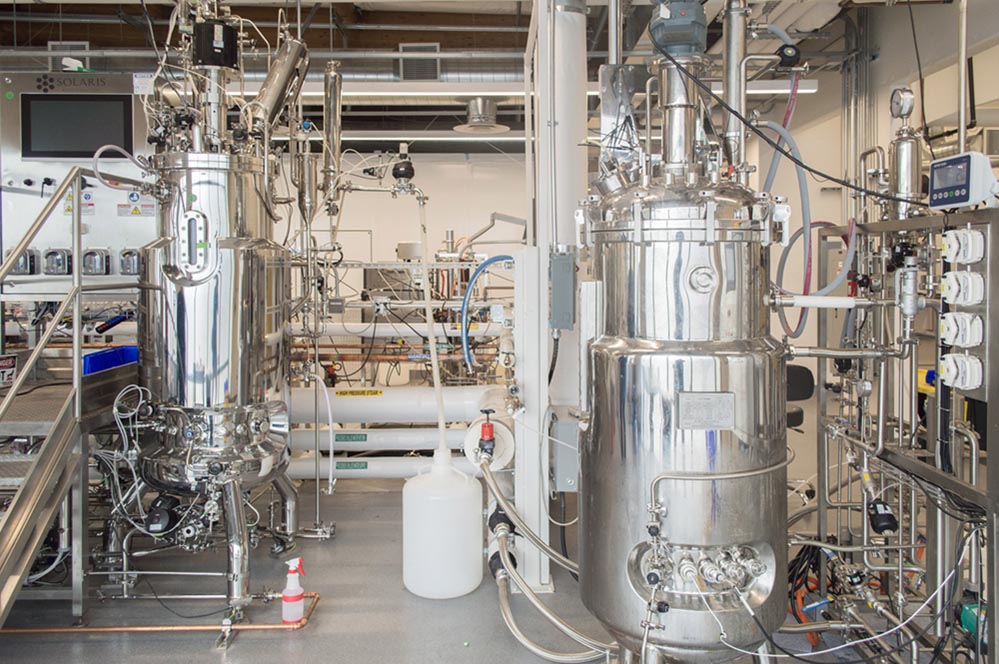
A substantial part of the project involved putting those technologies into the hands of cultivated meat producers rather than evaluating them solely inside ProFuse.
In one collaboration with SuperMeat, ProFuse reported that its supplement shortened the time required for cells to mature into functional muscle tissue and increased overall muscle yield. According to CORDIS, the combination ultimately reduced production cost per kilogram.
The bovine cell line was separately tested with a large customer in the Netherlands. ProFuse reported successful initial cell adaptation, providing the basis for potential integration into the customer's production process as development timelines align.
Work also included adapting its PROFUSE-B8 cell line to grow in serum media and testing muscle formation on structures used to support tissue growth.
The project followed earlier European Research Council-backed research under SuperFusion, which investigated methods for inducing muscle fiber formation for industrial meat production.
ProFuse has now moved into preparations for wider commercial deployment. Work under PROFUSE included developing product and licensing models, providing customers with regulatory safety documentation, mapping potential partners and suppliers, and starting customer proof-of-concept programs focused on quantifying potential time and cost savings.
CORDIS project documentation said the work was intended to advance ProFuse's combined cell-line and supplement technology toward validation in relevant environments and technology readiness level 6.
The company estimates the total available market for its technology could reach €22 billion by 2050.
ProFuse is also applying its muscle biology platform outside cultivated meat. The company is investigating drug and dietary supplement applications addressing muscle loss associated with GLP-1 weight-loss treatments – work that could in turn produce findings applicable to cultivated meat production.
“Anything that we discover now that can help protect muscle and grow muscle can be used again in cultivated meat,” Michrowski said.

Join Us At One Of Our Upcoming Events

If you have any questions or would like to get in touch with us, please email info@futureofproteinproduction.com