Protein Industries Canada backed nine new projects to 'Make It Here' as supply chain program expanded

Protein Industries Canada has announced a second cohort of nine companies for its Strengthening the Canadian Supply Chain Program, committing a total of C$1.7 million (US$1.2 million) to projects aimed at bringing more food and ingredient processing back to Canada.
• Protein Industries Canada announced nine companies in the second cohort of its Strengthening the Canadian Supply Chain Program, spanning British Columbia to Quebec and covering multiple parts of the value chain.
• A total of C$1.7 million (US$1.2 million) was invested, with Protein Industries Canada committing C$1.3 million (US$950,000) and participating companies contributing the remainder.
• The program’s third cohort remained open for submissions, with applications set to close on April 30, 2026, as the cluster continued work tied to its Road to $25 Billion initiative.
The Regina-based cluster said the program was launched in response to “current geopolitical sensitivities,” and was designed to help Canadian companies navigate shifting global trade relationships by strengthening domestic supply chains and accelerating value-added processing for Canadian crops.
“The Government of Canada is committed to shifting Canada’s economy from reliance to resilience, building strength at home and reinforcing the supply chains that secure our prosperity,” Mélanie Joly, Minister of Industry and Minister responsible for Canada Economic Development for Quebec Regions, said in the announcement. She added that the investment would support “innovation to support a strong and prosperous agri-food sector,” and would help companies “create good career opportunities, drive economic growth, support sustainable domestic production and ensure our food systems remain resilient in the face of global pressures.”
Heath MacDonald, Minister of Agriculture and Agri-Food, said the nine projects “will create high quality jobs in Canada, drive long term economic stability, enhance food security, and position our country as a global leader in sustainable protein solutions.” He linked the effort to product diversification, expanded processing capacity, and scaling support for companies operating in what he described as a “challenging economic climate.”
Protein Industries Canada described the second cohort as spanning the value chain, with projects located from British Columbia through to Quebec. The cluster said it was continuing its push to increase domestic food and ingredient processing as a “key market for Canadian crops,” and characterized the initiative as part of its broader effort to capture more economic value from Canadian agriculture through local processing.
“Canada’s opportunity lies in its food and ingredient sector. We have an abundance of crops and innovative companies; what’s left to do is move toward making those crops into ingredients and food on Canadian soil,” CEO Tyler Groeneveld said. “If we pivot toward making more food and ingredients here in Canada, we can seize more value for Canadians, creating a stronger economy while providing families with more food options.”
The announcement highlighted examples of projects under the second cohort. Ontario-based 1847 Stone Milling was set to focus on developing and commercializing a Canadian-grown, high-protein Atta flour. Protein Industries Canada noted that Atta flour was “largely an imported product in Canada” because of its specialized processing method, and said the project aimed to offer a domestic alternative while supporting local grain producers.
In Manitoba, Farmery Estate Brewing Company was expected to upcycle brewer’s spent grain into a protein-rich beverage base and a protein ingredient. The cluster said the work was intended to reduce brewing waste, create local jobs, strengthen the rural economy, and build a “Canadian-made protein product,” while positioning the country as an “upcycled protein innovation” player.
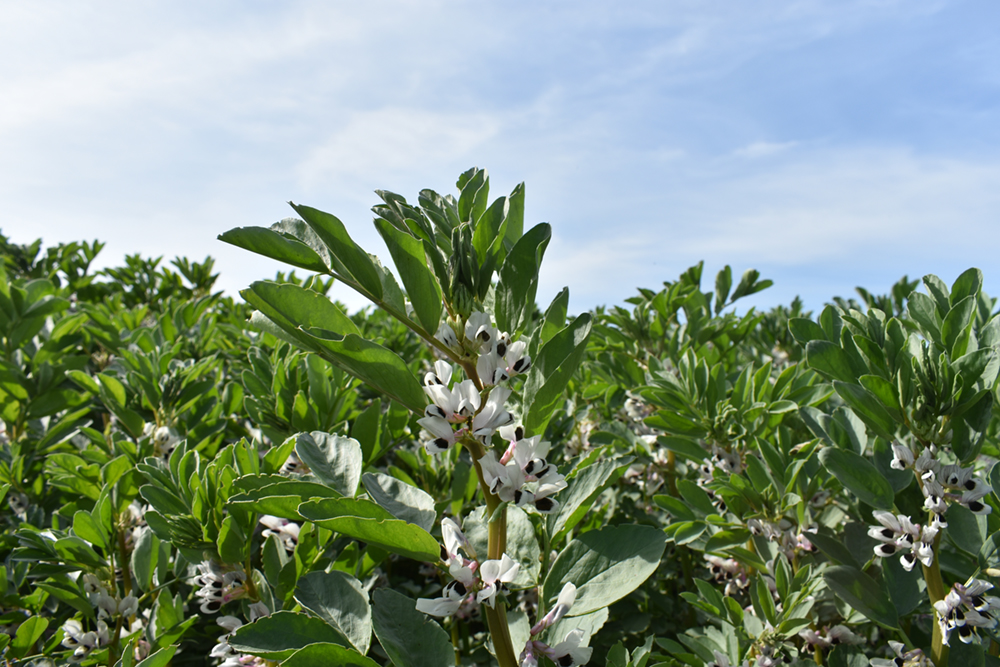
Quebec-based Grazy was expected to reformulate its frozen dessert and beverage lines using Canadian-sourced pea and fava bean protein. Protein Industries Canada said the project aimed to transition the company’s sourcing to all-Canadian plant proteins while improving clean-label offerings, in a move designed to strengthen domestic supply chains, mitigate trade risks, and improve competitiveness.
Protein Industries Canada said it committed C$1.3 million (US$950,000) of the C$1.7 million (US$1.2 million) total investment, with participating companies committing the remainder. It added that details about each company and project were included in an attached backgrounder.
The program’s messaging leaned heavily on domestic capacity-building at a moment when governments and industry groups in several countries have been reassessing supply chain exposure. Protein Industries Canada described the initiative as a way for companies to highlight how “Making It Here” could help provide Canadian families, and international markets, with “a wide variety of nutritious, delicious products,” while also increasing value-added agriculture.
The cluster also confirmed that submissions for a third cohort were open, with applications set to close on April 30, 2026.
Protein Industries Canada is one of Canada’s five Global Innovation Clusters, and it positioned the new projects within a broader national growth narrative it calls The Road to $25 Billion, described as a vision to grow Canada’s plant-based food, feed, and ingredient sector into a C$25 billion industry. The organization said the work built on its Make It Here effort, which it characterized as a drive to bring more value and opportunity to Canadian crops, food businesses, and households.
The second-cohort announcement followed earlier efforts by Protein Industries Canada to grow domestic processing and product development capacity for plant-based ingredients, including proteins derived from pulses and grains. While the organization did not break out how funding was allocated across each of the nine projects in the press release, it emphasized breadth across the value chain and a focus on practical commercialization steps, including processing localization, reformulation, and upcycling.
For Groeneveld, the pitch was straightforward: the crops and companies were already in place, but value capture depended on where processing happened. The program’s stated goal was to make Canada less dependent on imported ingredients and more competitive in turning domestic agricultural inputs into higher-value foods and ingredients.

Join Us At One Of Our Upcoming Events

If you have any questions or would like to get in touch with us, please email info@futureofproteinproduction.com