Pure Mylk and Tetra Pak launch Malaysia Innovation Hub to scale US$39.7 billion plant-based beverage opportunity

Pure Mylk has partnered with Tetra Pak to accelerate the development of plant-based functional beverages in Malaysia, as demand for nutrition-focused drinks continues to grow across the region.
• Pure Mylk and Tetra Pak launched a strategic partnership centered on The Mylky Way innovation hub in Selangor, combining processing, packaging, and R&D capabilities for plant-based beverages.
• Malaysia’s plant-based beverage market is projected to grow from US$18.5 billion in 2025 to US$39.7 billion by 2031, while the global functional beverage market is expected to reach US$758.99bn by 2034.
• The collaboration aims to reduce development timelines and barriers to scale by offering end-to-end product development, pilot testing, and co-packing support.
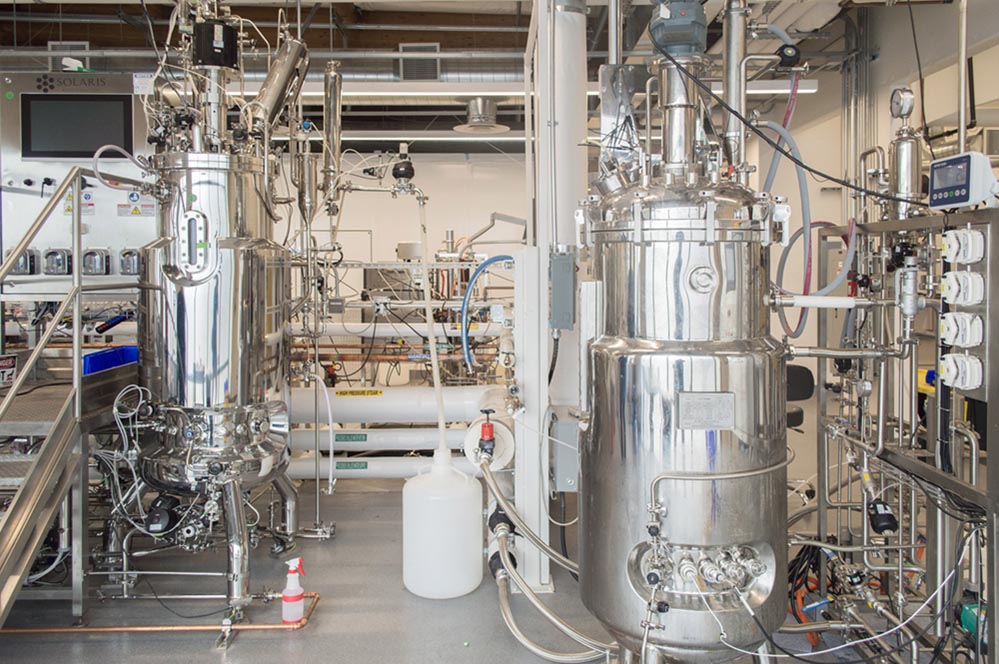
The partnership brought together Tetra Pak’s processing and packaging technology with Pure Mylk’s The Mylky Way facility, an end-to-end plant-based innovation hub located in Pulau Indah, Selangor. The site has been designed to support brands through the full product development cycle, from early-stage formulation to pilot-scale testing and commercialization.
The companies stated that the collaboration aimed to give both emerging and established food and beverage brands access to advanced infrastructure without the need for significant upfront investment. By integrating ideation, experimentation, and co-creation in a single location, the model was intended to shorten development timelines and enable faster market entry.
The move came as Malaysia’s plant-based beverage market showed strong growth potential. Forecasts indicated the sector would expand from US$18.5 billion in 2025 to US$39.7 billion by 2031, reflecting increasing consumer demand for alternatives to traditional dairy and nutrition-focused drinks.
At a global level, the opportunity was even larger. The functional beverage category, which includes drinks fortified with ingredients such as protein, vitamins, and probiotics, was projected to reach approximately US$758.99 billion by 2034. Growth has been driven by consumers seeking products that support physical health alongside broader lifestyle factors such as diet, exercise, and sleep.
The launch of the Innovation Centre was officiated by YB Dato’ Dr Haji Mohammad Yusof bin Apdal, Deputy Minister at Malaysia’s Ministry of Science, Technology and Innovation. He said the initiative demonstrated how industry collaboration could align with national policy goals.
“This occasion is a significant step forward in transforming Malaysia’s food and beverage landscape towards a more sustainable, resilient, and bio-based innovation-driven ecosystem. I hope that the Innovation Centre will serve as a catalyst for more local innovations, the development of internationally competitive bio-based products, and further strengthen Malaysia’s position as a leading bioeconomy hub in the region,” he said.
The project aligned with Malaysia’s National Biotechnology Policy 2.0 and the National Agrofood Policy 2021–2030, both of which focus on building a more sustainable and climate-resilient food system. The partners indicated that the facility would support these ambitions by enabling local production and reducing reliance on imported ingredients and technologies.
Consumer behavior trends have played a central role in shaping the partnership. Tetra Pak’s research indicated that 58% of consumers sought food supplements and nutrition products to support physical health, while 42% cited a desire to feel in control of their health as a key emotional driver. At the same time, 59% of health-conscious consumers preferred ready-to-drink formats for convenience, and 71% favored natural sources over synthetic alternatives, even at a premium.
Similar patterns have emerged in Malaysia. Data from GlobalData showed that seven in ten Malaysian consumers considered the impact of products on their wellbeing when making purchasing decisions. This shift has driven demand for convenient, ready-to-drink beverages that align with both health and lifestyle preferences.
Ingredient innovation has also become an important factor in the category’s evolution. The partnership highlighted growing interest in sunflower protein, which has been gaining traction due to its sustainability profile, allergen-free characteristics, complete amino acid composition, and neutral taste. Tetra Pak reported that its proprietary sunflower protein could be processed without chemicals or water, offering brands a clean-label alternative to more established protein sources such as pea or soy.
A key focus of the collaboration was reducing barriers to scale. By combining formulation support, ingredient testing, and packaging expertise in one location, the partners aimed to provide a more efficient route from concept to commercialization. This approach was intended to benefit both startups looking to enter the market and larger companies seeking to expand their product portfolios.
“When we built The Mylky Way, the goal was never to create a facility for Pure Mylk – it was to build an infrastructure that the entire Malaysian plant-based industry could grow from,” said Marcus Khoo, Founder & CEO of Pure Mylk. “Partnering with Tetra Pak means we can now offer brand owners something truly end-to-end: world-class processing, packaging to international standards, and the confidence that what they develop here can reach shelves anywhere in the region.”
Marcelo Perazzo, Managing Director for Malaysia, Singapore, the Philippines, and Indonesia at Tetra Pak, said the collaboration was designed to strengthen the region’s innovation capabilities.
“Through the partnership with Pure Mylk, we set a benchmark for Malaysia’s plant-based and functional beverage industry, enabling local brands to innovate, co-pack, and reach regional markets with confidence, speeding up their innovation journey and accelerate their position as market leader,” he said.
Tetra Pak’s aseptic packaging technology formed a core part of the offering, enabling beverages to remain shelf-stable for up to 12 months without refrigeration. This capability allowed brands to explore wider distribution strategies and reduce logistical constraints, particularly in markets where cold chain infrastructure may be limited.
The partnership reflected a broader shift toward integrated innovation models in the plant-based and functional beverage sectors, where speed, flexibility, and access to technical expertise have become critical factors in bringing new products to market.

Join Us At One Of Our Upcoming Events

If you have any questions or would like to get in touch with us, please email info@futureofproteinproduction.com