Senator Adam Schiff introduces Plant-Powered School Meals Pilot Act

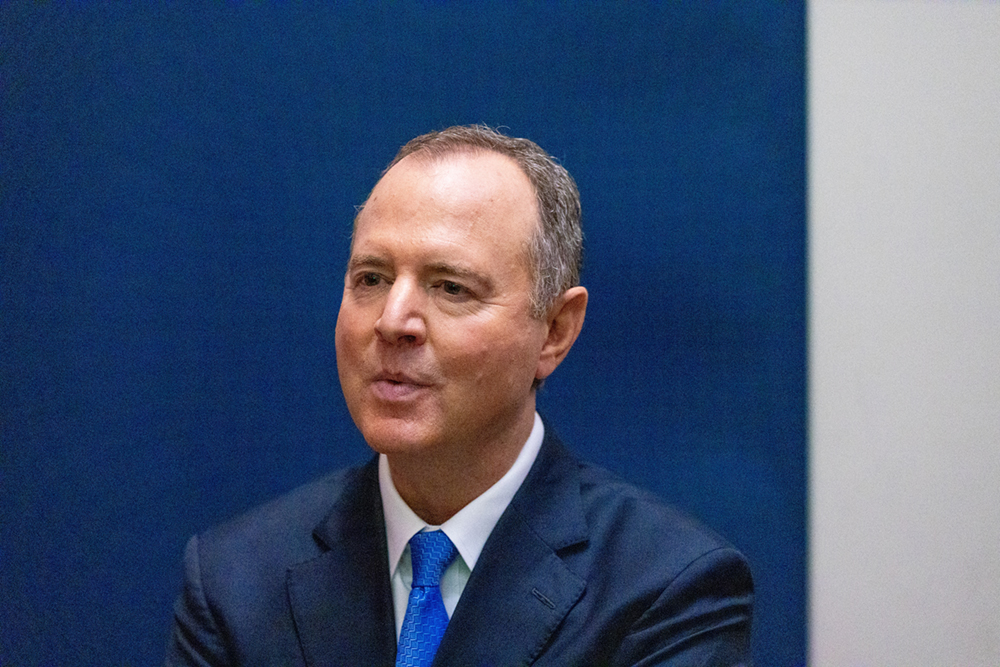
US Senator Adam B. Schiff has introduced S. 3669, the Plant-Powered School Meals Pilot Act, a bill that proposes a federally funded pilot program to support the provision of 100% plant-based food and milk options in US schools.
Senator Adam Schiff introduced S. 3669, proposing a federal pilot for 100% plant-based school meals.
The bill authorized US$10 million in funding for the pilot program and an additional US$2 million for non-dairy milk reimbursement.
The legislation targeted school food authorities serving high numbers of students eligible for free or reduced-price meals.
The bill was received on 15 January 2026, and currently listed three cosponsors. It proposed amendments to existing school lunch legislation under the Richard B. Russell National School Lunch Act.
Under the proposed legislation, the US Department of Agriculture would establish a pilot program to award grants to eligible school food authorities to offer fully plant-based meal options. The bill defined a '100% plant-based food option' as meals that included substitutes for meat and dairy but excluded all animal products, including meat, poultry, fish, dairy, eggs and honey.
The pilot program targeted school food authorities that served a significant proportion of students eligible for free or reduced-price meals. According to the bill text, the aim was to expand access to plant-based meals while maintaining nutritional standards and cultural appropriateness within school food programs.
If enacted, the Secretary of Agriculture would be required to establish the pilot program within 90 days. Grants would be awarded for a three-year term, with funding levels varying based on the needs and size of participating school food authorities.
To qualify for funding, school food authorities would be required to submit detailed applications outlining how they planned to implement the plant-based meal options. These applications would need to include evaluation plans and demonstrate how meal offerings reflected cultural and regional food preferences.
The bill specified several eligible uses for grant funding. These included hiring third-party trainers to support food service employees in preparing and serving 100% plant-based meals, compensating staff for participating in training programs, and developing educational initiatives for students focused on plant-based food and nutrition.
Grant funding could also be used to support procurement from local farmers and producers, with an emphasis on underserved and organic suppliers. The bill stated that this provision was intended to strengthen local supply chains while expanding access to plant-based ingredients within school meal programs.
Participating school food authorities would be required to maintain detailed records of the plant-based meals served under the pilot. Annual reporting requirements would include comparisons with meal offerings from the previous year, allowing the USDA to assess changes in participation and implementation over time.
The legislation required the Secretary of Agriculture to review annual reports submitted by participating authorities and provide a summary report to Congress each year. This reporting structure aimed to support oversight and inform decisions on potential program expansion or permanent integration into federal school meal policy.
In addition to the main pilot program, the bill introduced a separate provision to reimburse school food authorities for the cost of providing nondairy milk alternatives. This reimbursement program prioritized authorities serving high numbers of students with lactose intolerance or other dietary needs that limited access to conventional dairy options.
The bill authorized appropriations of US$10 million for the plant-based meals pilot program for fiscal year 2026, with funding availability extending through 2030. An additional US$2 million was authorized specifically to support the nondairy beverage reimbursement provision.
The legislation also required the USDA to provide educational and technical assistance to participating school food authorities. This included sharing guidance and best practices related to menu development, procurement and implementation of plant-based meal programs.
The introduction of S. 3669 added to a growing number of legislative proposals focused on diversifying protein options within public food programs, particularly in schools serving lower-income communities. The bill’s progress through the legislative process would determine whether the proposed pilot moved forward at the federal level.

Join Us At One Of Our Upcoming Events

If you have any questions or would like to get in touch with us, please email info@futureofproteinproduction.com