-p-800.jpg)
12 months, 13 funding rounds: How capital moved through protein innovation in 2025

In a year defined less by exuberance and more by scrutiny, capital did not abandon protein innovation. Instead, it became more selective. Across 2025, investors consistently favored companies that could demonstrate manufacturing credibility, functional performance, and a plausible route to commercialization, even as parts of the sector retrenched.
Protein Production Technology International reported on numerous funding rounds over the course of the year, spanning precision fermentation, mycoprotein, plant-based meat, fats and oils, pet nutrition, and cultivated meat. Taken together, though, the following 13 deals trace a clear narrative arc. Funding followed infrastructure, scale, and cost trajectories rather than ambition alone.
From early-stage platform technologies to late-stage cultivated meat pioneers, the companies that secured capital in 2025 were those prepared to move from promise to execution, often by anchoring innovation to existing supply chains, proven demand, or near-term revenue.
January: Manufacturing efficiency sets the tone
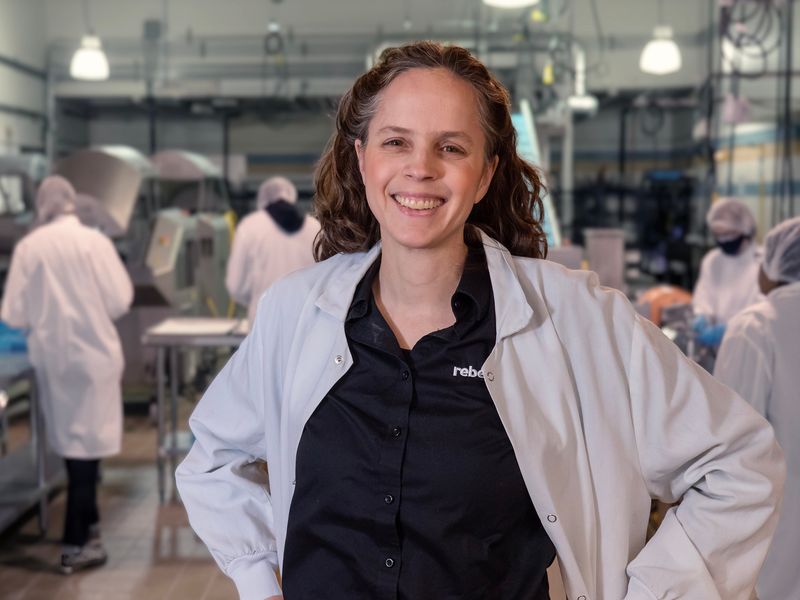
The year opened on 9 January 2025 with a focus on production systems rather than consumer branding. Seattle-based Rebellyous Foods secured US$2.4 million as an extension of its Series B round to advance its Mock 2 continuous manufacturing platform for plant-based chicken.
Rather than framing the raise around product launches, the company emphasized process engineering. Mock 2 replaced batch-based production with a fully automated, continuous system designed to lower labor intensity, improve worker safety, and reduce energy use at scale. Founder and CEO Christie Lagally framed the raise as a response to one of the sector’s most persistent bottlenecks. “By focusing on affordability and scalability, we’re not just creating plant-based chicken. We’re creating the means to produce it efficiently at the scale needed to replace traditional meat,” she said.
The emphasis on automation and unit economics set an early signal for where investor attention would concentrate.
February: Precision fermentation moves toward scale
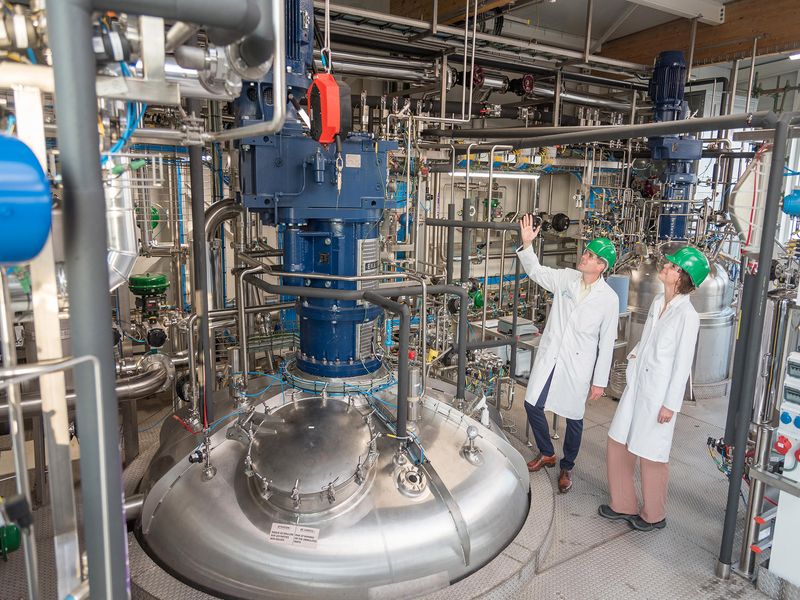
On 25 February 2025, Dutch ingredients startup Vivici closed a €32.5 million (US$33.7 million) Series A round led by APG on behalf of pension fund ABP, with participation from Invest-NL and InnovationQuarter, alongside continued backing from founding shareholders dsm-firmenich and Fonterra.
The deal stood out not only for its size but for the profile of its investors. Long-term institutional capital backed Vivici’s ambition to scale animal-free dairy proteins for mainstream nutrition markets, starting with whey protein and expanding into lactoferrin later in the year. CEO Stephan van Sint Fiet described the round as a shift from validation to delivery. “With this investment, we will continue on our path to turning the promise of precision fermentation into a commercial reality,” he said.
Rather than positioning fermentation as a wholesale replacement for dairy, Vivici framed its platform as complementary, a narrative that resonated with both corporate and pension-backed investors.
May: Sidestreams and strategic capital
By late spring, funding activity highlighted the growing role of strategic corporate investors with operational assets. On 26 May 2025, Norwegian mycoprotein specialist NoMy announced a new funding round led by Nippon Beet Sugar Manufacturing, Japan’s largest beet sugar producer.
The investment extended a partnership centered on valorizing sugar beet sidestreams, embedding NoMy’s fermentation platform within an existing agricultural system rather than a greenfield buildout. CEO Ingrid Dynna emphasized the alignment between technology and infrastructure. “Nitten’s deep commitment to sustainability and expertise in sugar production aligns perfectly with NoMy’s vision of a food system that is circular by nature,” she said.
The round reflected a broader shift toward fermentation models that reduce feedstock risk, CapEx intensity, and time to scale by integrating with incumbent supply chains.
June: Commercial traction across protein formats
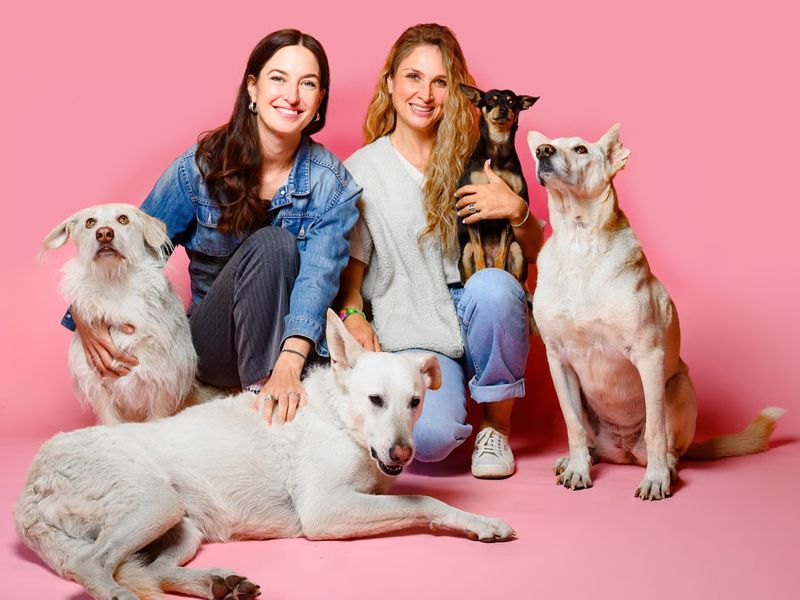
June delivered two funding rounds that pointed to confidence in businesses already generating revenue. On 10 June 2025, Munich-based VEGDOG raised €9 million (US$9.7 million) in Series A funding to expand its plant-based pet food business across Europe.
Operating in a category with fewer regulatory barriers and clearer consumer willingness to pay, VEGDOG benefited from a more straightforward commercialization path. Co-founder Tessa Zaune-Figlar emphasized both ethics and performance. “Nowadays, no animal has to die to give our dogs the best food. We have the technological means to develop high-quality, tasty, animal-free recipes,” she said.
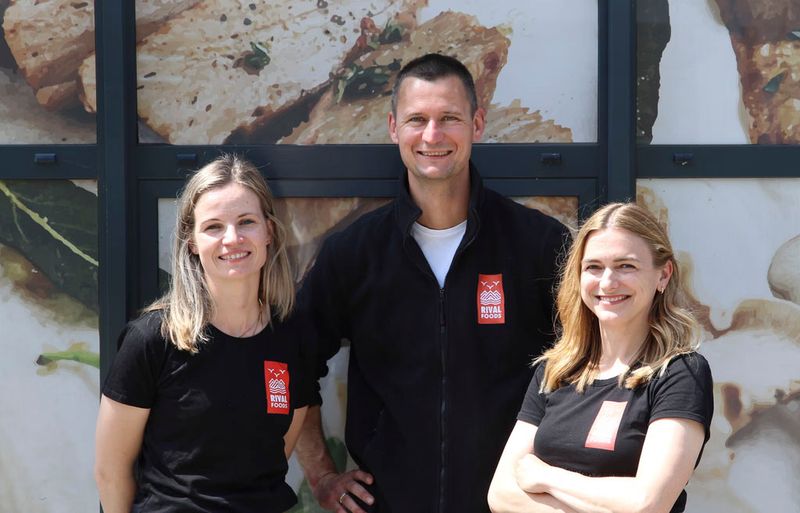
Just days later, on 18 June 2025, Dutch B2B specialist Rival Foods secured €10 million (US$10.7 million) in Series B funding led by APG. Rather than building a consumer brand, Rival focused on supplying whole-cut plant-based formats to chefs, foodservice, and retail partners. Founder and CEO Birgit Dekkers framed the company’s ambition in competitive terms. “We’re called Rival for a reason. We’re here to be one,” she said.
Together, the June rounds underscored investor appetite for companies embedded in real-world value chains.
September: Ingredients, fats, and platforms converge
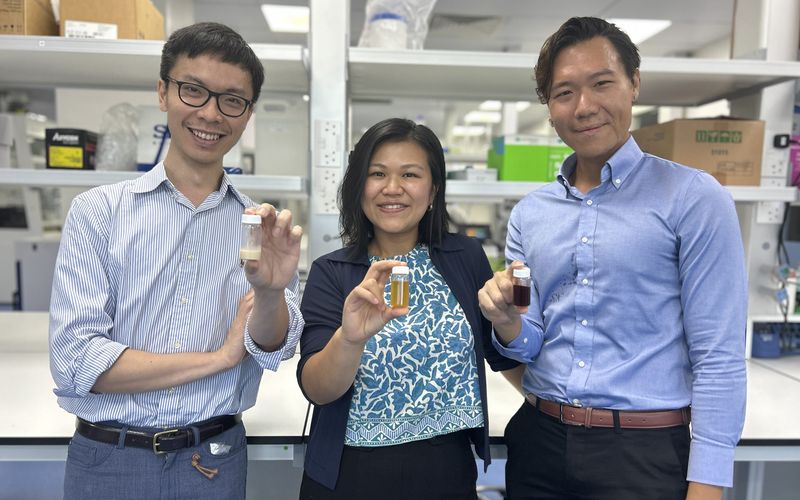
September emerged as the most active funding month of the year, highlighting the sector’s breadth beyond meat analogues. Activity began on 18 September 2025 with Terra Oleo’s public launch. The Singapore-based startup secured US$3.1 million in seed funding and backing from Breakthrough Energy to develop fermentation-derived alternatives to palm oil and cocoa butter.
CEO Shen Ming Lee positioned the company’s technology around supply chain resilience rather than substitution alone. “We founded Terra Oleo to reinvent how we produce the fats and oils that power our everyday lives,” he said, pointing to climate volatility and commodity price shocks as structural drivers.
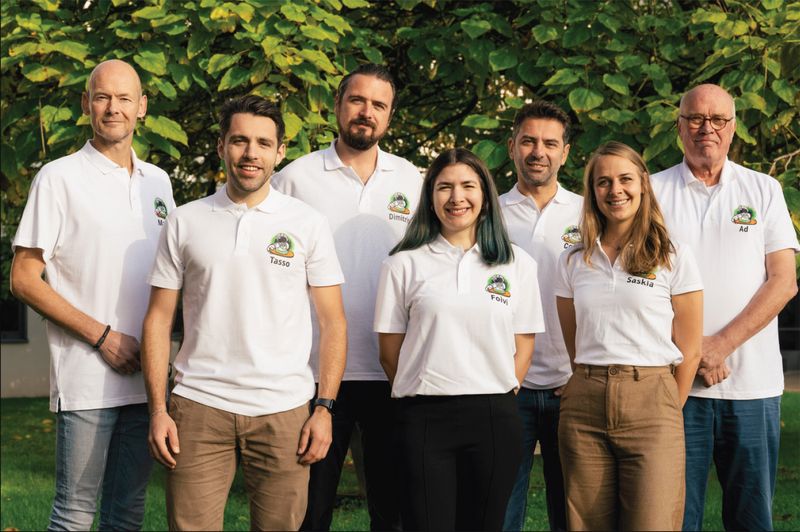
Five days later, on 23 September 2025, three additional funding rounds reinforced momentum around ingredients and enabling technologies. Wageningen-based Time-Travelling Milkman raised €2 million (US$2.1 million) to scale Oleocream, its oleosome-based fat ingredient designed for dairy and hybrid applications. Co-founder Dimitris Karefyllakis said, “After years of optimization and scaling, we’re ready to deliver Oleocream at commercial volumes, efficiently, consistently, and affordably.”
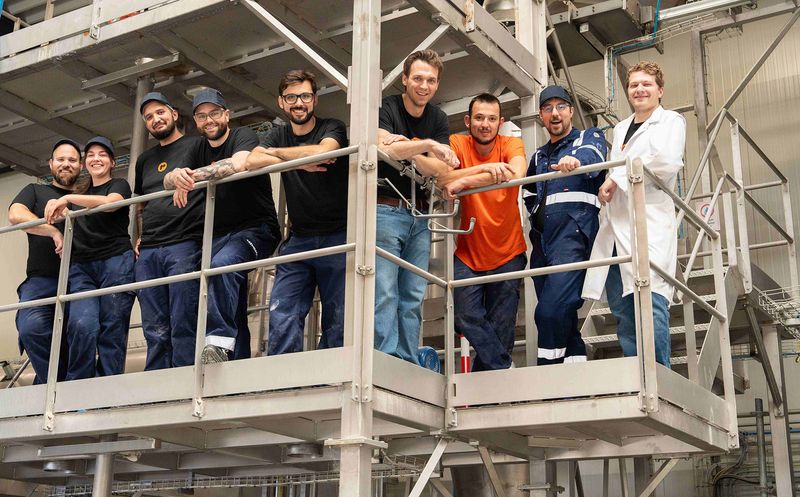
On the same day, Dutch scale-up Revyve closed a €24 million (US$25.6 million) Series B round to expand production of yeast-derived egg replacement proteins. CEO Cedric Verstraeten emphasized discipline over novelty. “In today’s market, it’s not enough to be novel or sustainable. You have to be cost-competitive,” he said.
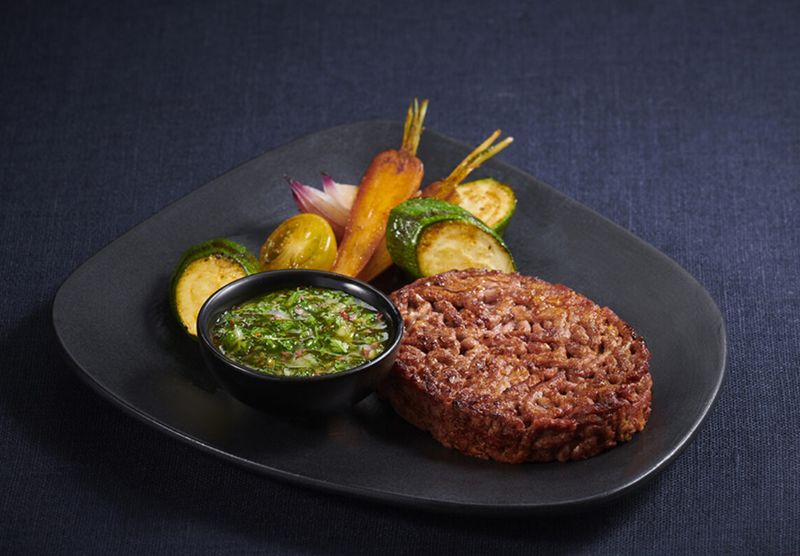
Completing the September cluster, French plant-based meat company Nxtfood raised €49 million (US$52.3 million), the largest disclosed round of the year covered by PPTI. CEO Renaud Saïsset described the raise as validation of operational maturity. “This record fundraising is a true vote of confidence,” he said, as the company targeted profitability and European expansion.
October: Scaling what already works
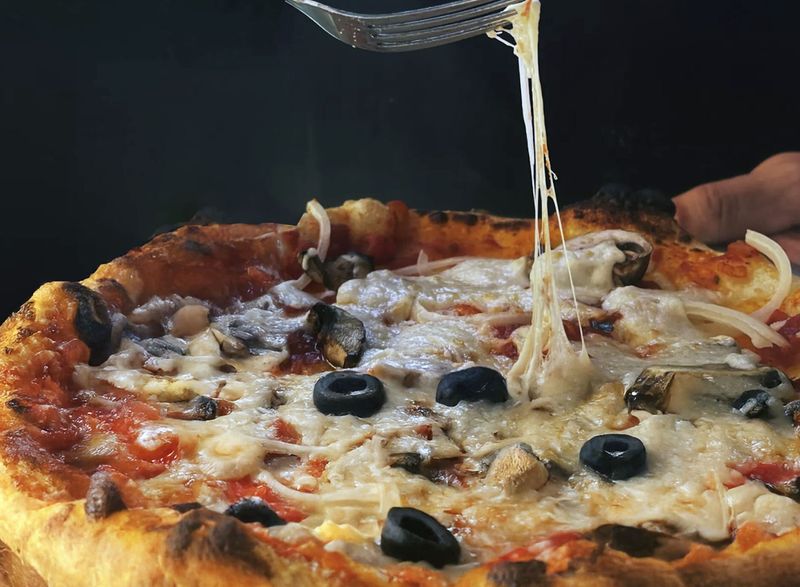
October funding reinforced a clear theme: scaling proven technologies. On 6 October 2025, Climax Foods rebranded as Bettani Farms and raised US$6.5 million to commercialize its seed-derived Caseed protein for dairy-free cheese.
The rebrand and leadership appointment signaled a pivot toward execution. Newly appointed CEO Sandeep Patel framed the opportunity in familiar consumer terms. “Bettani is poised to do for pizza what oat milk has done for coffee,” he said, pointing to functionality and allergen profiles as adoption drivers.
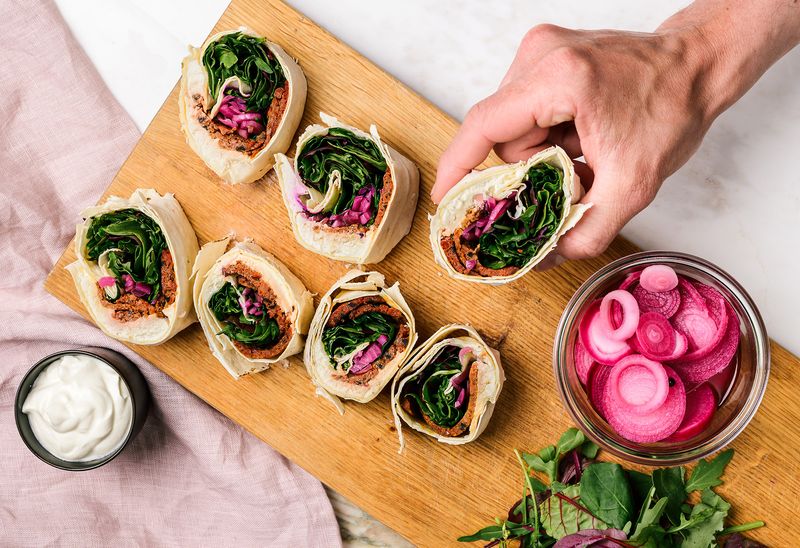
Two weeks later, on 21 October 2025, Copenhagen-based MATR Foods secured €40 million (US$43 million) in a combined equity and venture debt round, the largest food-tech raise in Denmark to date. CEO Randi Wahlsten pointed to demand-led expansion rather than speculative growth. “We are looking forward to finally being able to meet the demand of the many customers and chefs who have been unwavering in their support and enthusiasm for MATR products,” she said.
December: Closing the year with execution
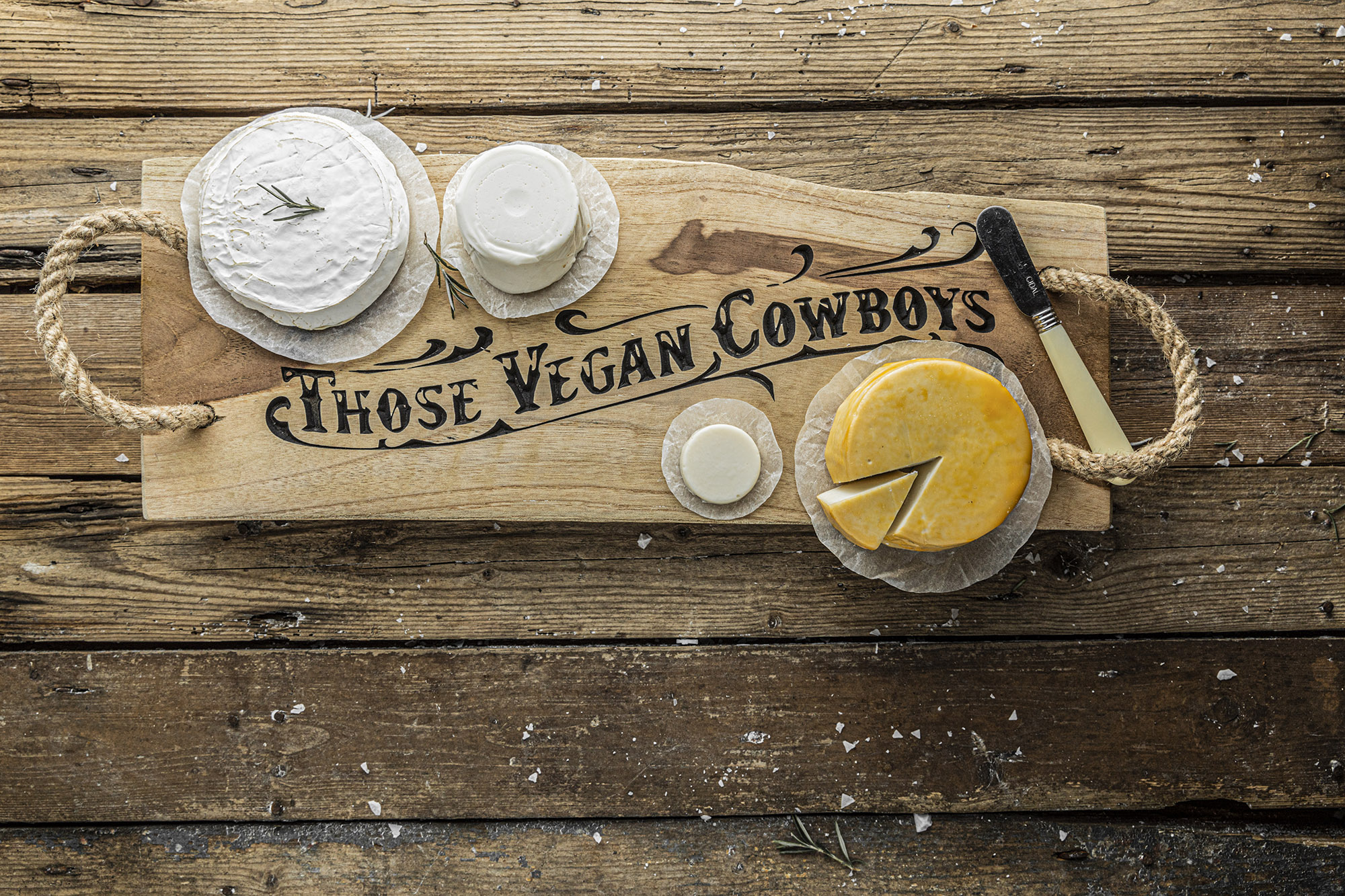
The year concluded on 22 December 2025 with two funding rounds that captured both ends of the sector’s maturity curve. In Belgium, Those Vegan Cowboys raised €6.25 million (US$6.9 million) in its first external funding round to advance cow-free casein toward market entry. CEO Hille van der Kaa described the milestone without embellishment. “Development to market is the leap most food innovations never make. That’s the hardest part, and we’ve made it,” she said.
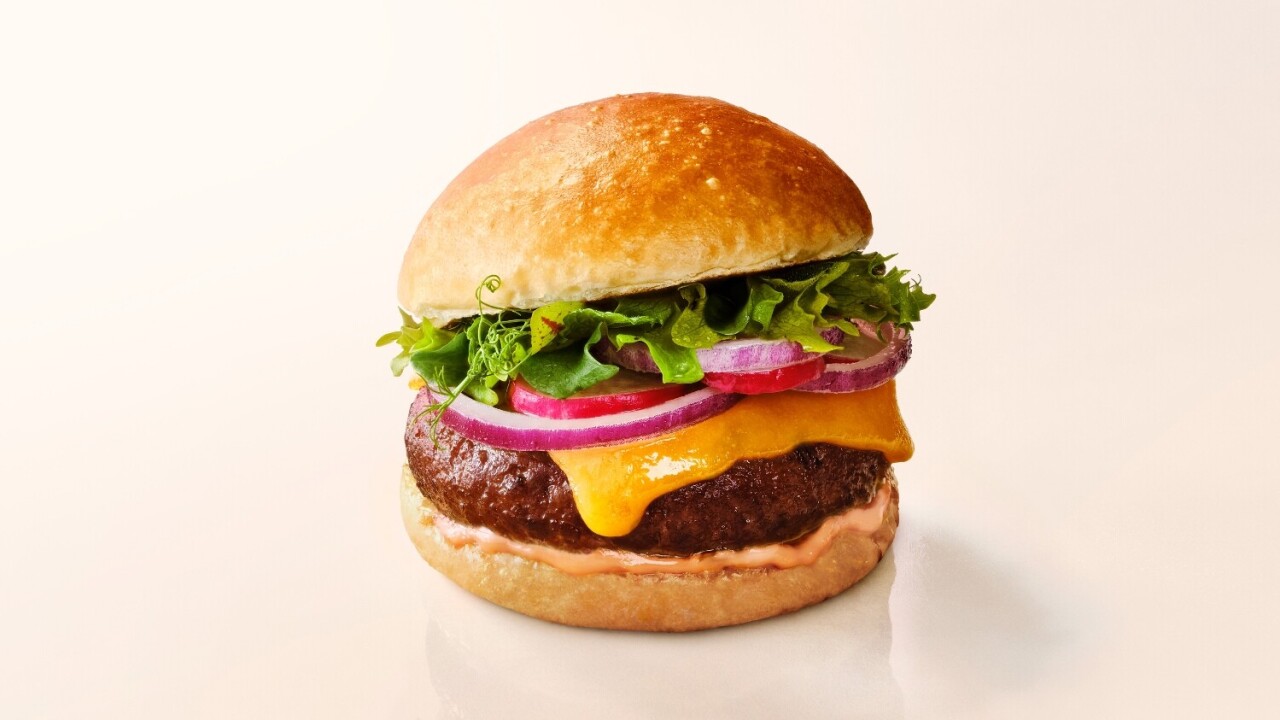
On the same day, cultivated beef pioneer Mosa Meat secured an additional €15 million (US$16.5 million), extending a financing push that brought €58 million (US$63.8 million) into the company over two years. CEO Maarten Bosch reflected on the company’s long arc from demonstration to deployment. “Today, through fundamental scientific breakthroughs and scaling efficiencies, we are producing burgers at a price point ready for restaurant menus,” he said.
A year of selective confidence
Viewed collectively, these 13 funding rounds reported by Protein Production Technology International in 2025, 13 of many it has to be said, reveal a sector adapting to tougher conditions rather than retreating from them. Capital flowed toward companies that could point to factories, offtake agreements, strategic partners, or credible cost curves, not just technology roadmaps.
Notably absent were oversized speculative bets or platform plays untethered from near-term commercialization. Instead, investors favored execution, integration, and cost realism, whether through sidestream fermentation, B2B supply models, hybrid formulations, or manufacturing-led innovation.
In a year marked by discipline rather than exuberance, protein innovation did not stall. It narrowed, matured, and began to look more industrial than aspirational. For an industry long defined by promise, 2025 was the year capital made clear what it wanted next: proof.

Join Us At One Of Our Upcoming Events

If you have any questions or would like to get in touch with us, please email info@futureofproteinproduction.com