VTT’s Cell2Food project moves plant cell culture from the lab toward real meals

As pressure mounted on global food systems from climate change, biodiversity loss and resource constraints, a new Finnish-led research initiative has set out to move plant cell culture-based foods beyond the laboratory and closer to everyday consumption.
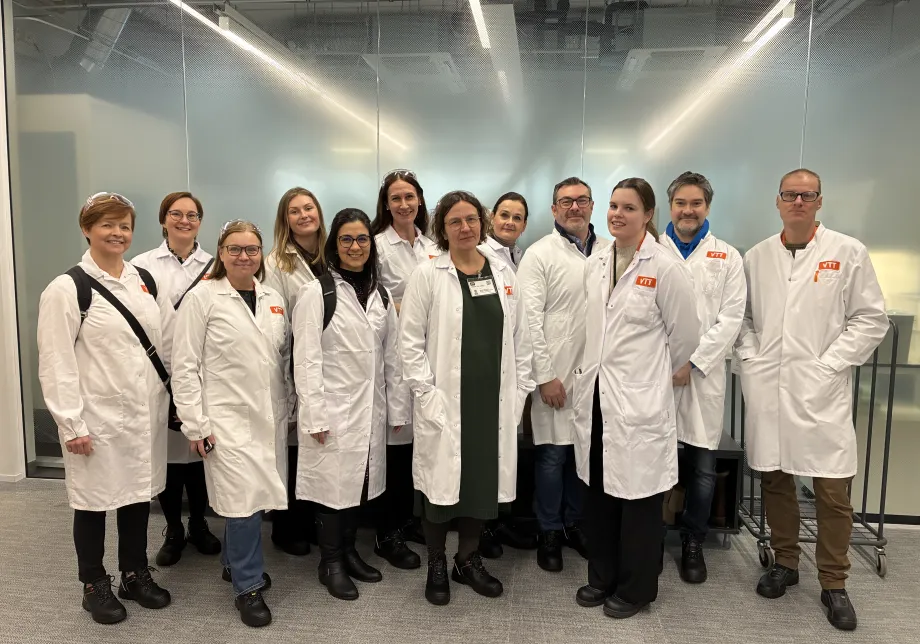
Cell2Food, a project led by VTT Technical Research Centre of Finland in collaboration with the University of Eastern Finland, launched in early 2026 with the aim of accelerating the development, acceptance and commercialization of foods made from plant cell cultures. Running through 2027, the initiative brought together scientists, chefs, industry stakeholders and consumers in Finland and Brazil to co-create food prototypes and explore how new value chains might emerge around the technology.
• VTT and the University of Eastern Finland launched the Cell2Food project to develop food prototypes and value chains based on plant cell cultures.
• The 2026-2027 initiative combined food engineering, chef-led experimentation and consumer research in Finland and Brazil.
• Researchers aimed to raise both technology readiness and societal acceptance of plant cell culture-based foods.
Plant cell cultures offered a potential alternative to conventional agriculture by enabling food production in closed, controlled environments with limited land use and consistent yields independent of climate or season. Previous research at VTT had already shown that plant cells derived from sources such as avocado, scurvy grass, rowan and Nordic berries could be processed into powdered ingredients rich in protein, fiber, vitamins and bioactive compounds.
However, those materials had largely remained at the ingredient stage. Questions around how plant cell cultures could be turned into appealing foods, and how consumers might respond to them, had yet to be fully explored.
Cell2Food was designed to address both challenges at once. The project aimed to increase the technology readiness level of plant cell culture-based foods while also raising their societal readiness, using an approach that combined food science, consumer research and stakeholder engagement across two very different food cultures.
“We were entering a completely new phase of cellular agriculture research,” said Emilia Nordlund, Research Manager at VTT and Principal Investigator of Cell2Food. “For the first time, we were not only producing plant cell ingredients, we were turning them into real food experiences together with chefs, consumers, and other system food actors. Our vision was to help create sustainable food options that were resilient to climate challenges, nutritionally valuable, and culturally meaningful both in Finland and Brazil.”
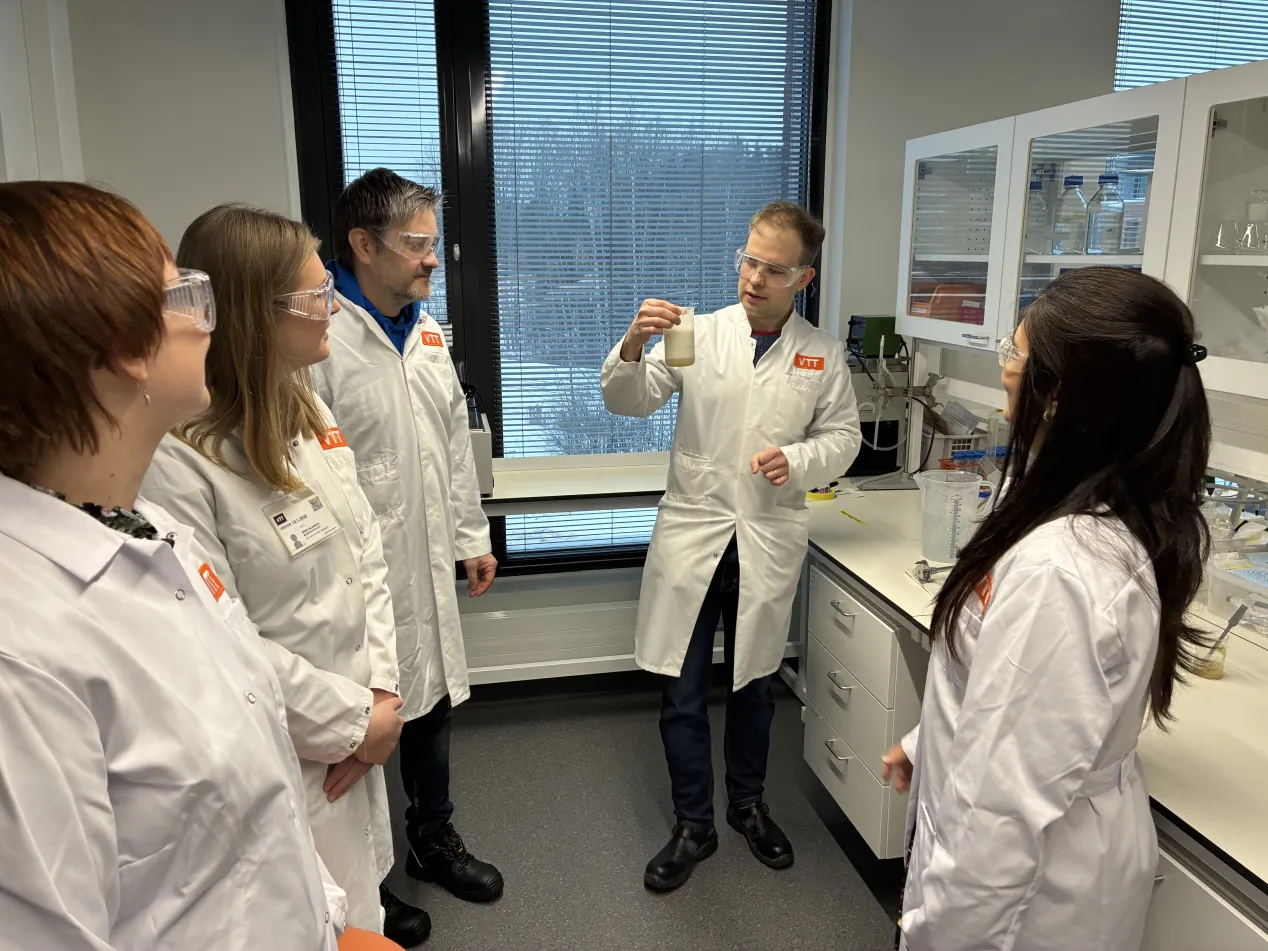
A central element of the project involved hands-on culinary experimentation. Working with Michelin-starred restaurant Finnjävel, chef Henri Alén and chefs from the Martha Association, the research team conducted kitchen trials to understand how plant cell materials behaved during cooking and processing. The results were used to guide prototype development, supported by sensory evaluations carried out by trained tasting panels.
Nutritional performance was another key focus. The project aimed to develop prototypes that could meet established nutritional claims, such as high protein or fiber content, while also assessing how these foods might be digested.
“The nutritional aspects were also important, and the prototypes aimed to meet nutritional claims, such as high protein or fibre content,” said Professor Marjukka Kolehmainen from the University of Eastern Finland. “In addition, we used advanced in vitro models to thoroughly evaluate how the prototypes were digested within the human gastrointestinal system.”
Beyond the kitchen and laboratory, Cell2Food placed significant emphasis on public perception. Large-scale consumer surveys in Finland and Brazil were designed to assess awareness, acceptance and concerns related to plant cell culture-based foods and cellular agriculture more broadly.
A particularly distinctive aspect of the research was its comparative focus. The project examined how consumers in Brazil, a major producer and consumer of avocados, viewed the idea of producing avocado cells in bioreactors, compared with attitudes in Finland, where avocados were not traditionally grown but could potentially be produced locally through cellular agriculture.
To complement the survey work, the project organized experiential tasting events using VTT’s Dinner in the Future concept. These events invited stakeholders, journalists and members of the public to sample plant cell-based dishes, giving researchers an opportunity to gather sensory feedback and observe how direct exposure influenced attitudes and understanding.
Commercialization pathways were also part of the research agenda. Industry stakeholders in both Finland and Brazil were surveyed to explore market readiness, potential business models and value chain configurations for plant cell culture-based foods.
The consortium drew on expertise from a wide range of collaborators. Finnish partners included the Finnish Food and Drink Industries’ Federation, the Finnish Environment Institute, Medfiles, Agri-Food Cluster and Food Valley, while Brazilian collaborators included Embrapa Food Technology and the University of São Paulo. Together, they examined regulatory considerations, societal implications and scenarios for a fair transition toward new food production systems.
By integrating scientific research with culinary innovation and consumer insight, Cell2Food aimed to advance plant cell culture-based foods from experimental concepts toward realistic market options. The project positioned itself as a step toward food systems that could support climate resilience, responsible production and more sustainable dietary patterns, while remaining grounded in how people actually cooked, ate and perceived new foods.

Join Us At One Of Our Upcoming Events

If you have any questions or would like to get in touch with us, please email info@futureofproteinproduction.com