Wageningen-led VASCO project targets overlooked proteins in crop side streams

Wageningen University & Research is leading a major six-year project to turn protein-rich agricultural side streams into food ingredients and products, backed by almost €4 million (US$4.6 million) from the Dutch Research Council.
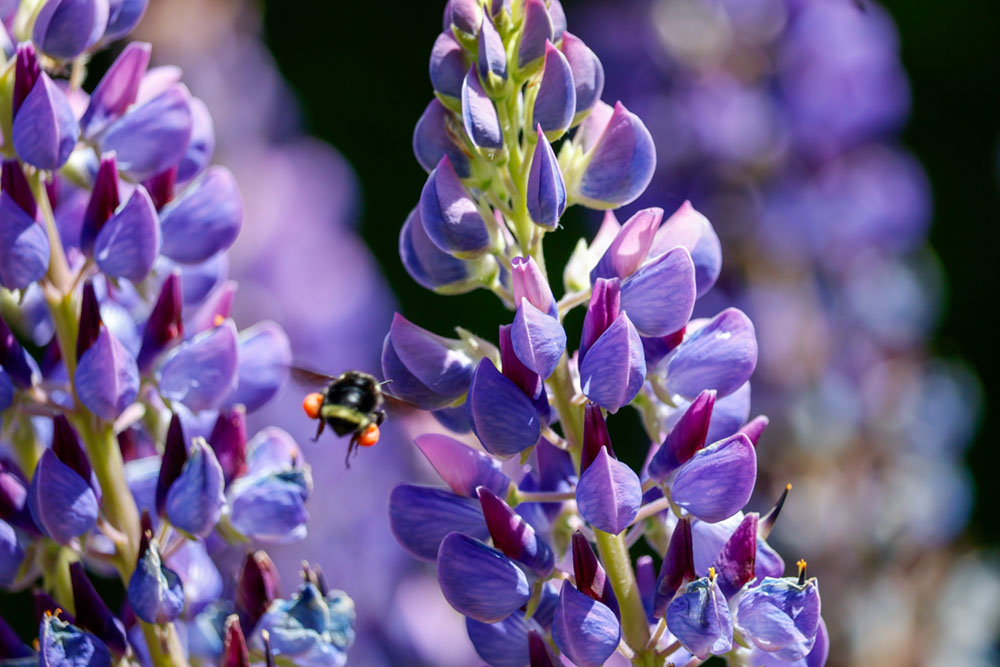
• VASCO will focus on side streams from legumes, rapeseed and potatoes.
• Researchers will combine protein separation with bacterial and fungal fermentation.
• The consortium spans academia, food manufacturers, retailers, policymakers and industry organizations.
The project, known as Valorising agricultural crop side streams into consumer foods, or VASCO, will investigate how materials currently directed to animal feed, biogas or other lower-value uses could instead be processed for human consumption.
One example is rapeseed cake, the protein-rich material left after oil pressing. Although it contains around 30% protein, it is still used primarily as animal feed. Parts of legume processing streams face a similar problem.
“Around twenty per cent of these products is discarded because the colour or shape is not quite right, or because of poor logistical coordination in the supply chain,” said Heidy den Besten, Personal Professor at Food Microbiology at Wageningen.
VASCO will examine side streams from legumes, rapeseed and potatoes using two main processing routes: protein extraction and fermentation. The technologies may be deployed separately or combined depending on the raw material and intended application.
Part of the extraction work will use dry fractionation rather than conventional wet processing.
“We will partly use dry fractionation, which is much more sustainable than conventional wet extraction,” said Den Besten.
Fermentation will meanwhile be investigated as a way to modify the nutritional, sensory and functional properties of the materials. Researchers plan to use bacteria and fungi to reduce undesirable compounds including glucosinolates and phytic acid, while also examining their ability to improve flavor and aroma.
Certain microorganisms could offer additional nutritional benefits. Some bacteria are capable of producing vitamins including B12 and K2, potentially allowing fermentation to increase the nutritional value of ingredients derived from the side streams.
The work is intended to move beyond laboratory demonstrations. Potential applications already identified by the consortium include ingredients for meat alternatives, spreads, snacks and fermented foods similar to tempeh.
Potato side streams will also be investigated as substrates for growing protein-rich fungi. Under this approach, the residual material would provide nutrients for fungal growth before the resulting fungal protein is harvested for use as a food ingredient.
Consumer research will run alongside the technical development work because the consortium is targeting concepts with a realistic route toward commercialization. Researchers will assess which formats consumers are prepared to eat and which products have the strongest prospects of reaching supermarket shelves.
A central part of VASCO will be examining why technically promising approaches to side-stream valorization frequently struggle to progress through the supply chain.
“Companies are often only willing to invest once there is sufficient demand, while supermarkets will only stock products when they know there is a reliable supply,” Den Besten said.
The consortium therefore extends well beyond food science. Producers of agricultural side streams, ingredient suppliers, food manufacturers, retailers, consumer researchers and policymakers will work together to identify commercial, logistical and regulatory barriers.
“You need more than just researchers,” Den Besten said. “We also need to bring producers, retailers and policymakers together. That increases the chances of achieving real change.”
Partners include five Wageningen chair groups alongside Leiden University, Delft University of Technology and Vrije Universiteit Amsterdam. Industry participants include AB Enzymes, Royal Avebe, The Protein Brewery, Unilever, Van Loon Group and Zwanenberg, with Foodvalley and several other industry and network organizations also involved.
The program will support seven PhD candidates and one postdoctoral researcher, while also producing teaching materials, an online course and opportunities for knowledge exchange across vocational, applied sciences and university education.
The project is being supported through the Dutch Research Agenda call on opportunities and supply chains for side streams in the protein transition, developed at the initiative of the Netherlands Ministry of Agriculture, Fisheries, Food Security and Nature.
Den Besten said the partners ultimately want the approach developed through VASCO to be applicable beyond the three crop groups initially selected.
“We want to show how you can really get this transition underway. If this works for side streams from legumes, rapeseed and potatoes, it could serve as an example for side streams from other crops,” she said.
If you liked this, check these out...
• Greencovery secures €1 million to take cocoa side streams into commercial production
• VTT research finds route to turn rice bran and rapeseed side streams into functional food ingredients
• Raisio secures €4.5 million research investment to transform grain side streams into next-generation fiber ingredients

Join Us At One Of Our Upcoming Events

If you have any questions or would like to get in touch with us, please email info@futureofproteinproduction.com