


Deep Dive: Nutrition by Design
Healthy aging, GLP-1, gut health, processing, personalization, and sensory science are reshaping how foods are designed. Benjamin Reygate explores why the future of nutrition will depend on bringing those pieces together
There was a time when nutrition innovation was driven by discovery. A newly identified ingredient. A novel protein. Another functional compound. The next superfood. Today, discovery alone is no longer enough. Success depends on whether those ingredients can work together to create foods that people genuinely want to eat.
Can healthier foods still taste indulgent? Can they remain affordable? Can they deliver multiple health benefits without becoming overly complicated? Can they fit naturally into everyday routines rather than asking consumers to change their behavior? And can manufacturers balance all of that while also meeting growing expectations around sustainability and large-scale production? Those challenges rarely make headlines, yet they increasingly determine which products succeed beyond the laboratory.
What emerged repeatedly during the conversations for this feature was not a search for the next miracle ingredient, but something more pragmatic. Nutrition is shifting away from individual nutrients and toward outcomes. Protein needs fiber. Processing influences nutritional quality. Taste determines repeat purchase. Consumer behavior matters as much as formulation. Scientific breakthroughs only become meaningful when they survive the realities of manufacturing, supermarket shelves, and everyday life.
That represents an important change for the industry. The race is no longer simply to create foods that are healthier. It is to create foods that people choose to eat, day after day.
The following 13 interviews approach that challenge from very different perspectives. Some focus on ingredients, others on processing, sensory science, consumer behavior, or emerging health trends. Read together, they point to a broader conclusion. The future of nutrition will be shaped less by individual ingredients than by how effectively companies combine nutrition, sensory performance, affordability, convenience, and scientific credibility into foods that people genuinely choose to eat, consistently, across different lifestyles and life stages.

The complexity advantage
Protein is one of the food industry’s favorite metrics. Products compete on grams per serving, athletes track intake with remarkable precision, and manufacturers race to squeeze ever more protein into ever-smaller formats. But Ross Milne feels something important has been lost along the way.
The CEO of New Zealand-based Leaft Foods spends plenty of time thinking about amino acids, digestibility, and protein quality. Increasingly, though, his attention has moved toward a broader question. Have we become so focused on protein that we’ve overlooked everything else nutrition has to offer?
“The short answer is yes, it’s definitely been overlooked,” he responds. “The sustainability conversation has been there for a number of years now, but the piece that I’m most excited about from diving into leaf proteins – and Rubisco in particular – is what we’re starting to see emerge on the nutritional side.”

One area where that becomes particularly apparent is amino acid composition. “If we focus on that, our product has an essential amino acid profile that outperforms every other protein currently available in the food industry,” Milne says. “Historically, from a pure nutrition perspective, proteins such as whey protein isolate and egg white have been perceived as the gold standard. What we have in front of us is a protein that exceeds them from an essential amino acid standpoint.”
Protein quality also extends beyond amino acid composition. “The other piece is digestibility,” Milne explains. “When we look at overall digestibility using measures such as the PDCAAS score, we have a score of one, meaning complete utilization of the protein.”
Consumers rarely encounter technical measures such as PDCAAS, but they quickly recognize how a product feels after consuming it. “The feedback we often hear is, ‘I’m amazed that I don’t get that sensation of protein sitting at the top of my stomach that I normally experience when consuming large amounts of other protein sources,’” he adds.
Milne believes consumers are becoming far more sophisticated in how they assess nutritional products. “I actually think these days they are incredibly well educated,” he says. “Access to information is so easy now, whether that’s through podcasts or other sources.” Rather than focusing exclusively on nutrition panels, many are paying closer attention to outcomes – how a product supports recovery, sustains energy and feels after eating. Those questions matter as much as the protein number printed on the front of the pack.
The bigger nutritional picture
That changing mindset has also influenced how Milne thinks about formulation. “I believe there’s a lot to be gained nutritionally from leaning into complexity,” he says. “Over the past 30 years, we’ve tended to move away from complexity and simplify foods.”
For Milne, complexity means retaining more of what plants naturally contain: minerals, vitamins, antioxidants, polyphenols, tannins, and countless other compounds that contribute to health.
The tide is now turning back toward a greater appreciation of the role minerals, vitamins, and other nutritional components play in our food
That philosophy sits at the heart of Leaft Blade, the company’s consumer nutrition product. “It’s not just protein,” Milne notes. “It also contains naturally occurring minerals and vitamins. From a nutrition perspective, that’s a complete game-changer.”
As healthy aging becomes a priority, Milne is seeing the same nutritional proposition resonate with different consumers. He recalls one 89-year-old customer who reported no longer needing an afternoon nap after incorporating the product into their routine, while elite athletes continue using it to support performance – evidence, he believes, of growing interest in complete nutrition.
Iron is an area he believes deserves far greater attention. Despite remaining one of the world’s most common nutritional deficiencies, it can be difficult for many people to manage effectively. “We’re not just delivering the benefits of the protein itself,” Milne says. “Once you start adding in the contribution of minerals and vitamins alongside it, you begin to see the potential to make a meaningful difference in people’s lives.”
That wider perspective shapes how he views the future of nutrition. “I think we’re going to become much more focused on the true value of nutrition,” Milne says. “The tide is now turning back towards a greater appreciation of the role minerals, vitamins, and other nutritional components play in our food.”
If the last chapter of nutrition innovation focused on maximizing protein, the next may be defined by understanding everything that surrounds it.
The GLP-1 effect
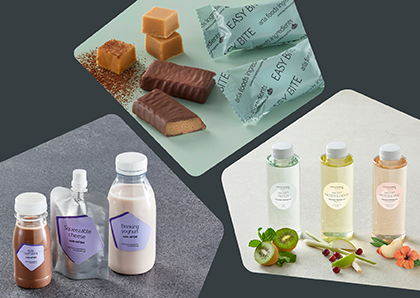
As GLP-1 medications reshape eating habits globally, food companies are having to ask themselves a different set of questions. “It’s no longer simply about calorie reduction, because for GLP-1 users, eating less doesn’t necessarily mean eating better,” says Peter Poulsen, Head of Global Marketing at Arla Foods Ingredients.
The numbers suggest this is far from a niche phenomenon. In 2025, 11% of consumers globally who were trying to lose weight reported using GLP-1 anti-obesity medications. In the USA, that figure reached 18%. As availability increases, prices fall, and oral formulations become more widely available, Poulsen expects adoption to accelerate further.
The implications extend well beyond weight loss. Smaller appetites, earlier satiety, and gastrointestinal side effects can make it difficult for users to meet their nutritional needs. Protein intake is emerging as a particular concern.

“While lean muscle typically accounts for 25% of the total mass loss during a weight-management diet or following bariatric surgery, GLP-1 use may push this percentage up to 40%,” Poulsen reveals.
That challenge is fueling interest in companion nutrition: products designed to support consumers using weight-loss medications. Rather than emphasizing calorie restriction, these products focus on nutrient density, helping people obtain protein, amino acids, and micronutrients from smaller portions.
GLP-1 is changing how protein is evaluated. “While protein is a mega-trend that shows no signs of slowing down, it’s evolving,” Poulsen says. “It began with increased consumer awareness of protein quantity, but we’re now seeing a shift toward appreciation of protein quality.”
The change is already visible in purchasing decisions. Two-thirds of consumers interested in protein now say they pay close attention to its source, while complete proteins are becoming a more important factor when choosing between products. “It’s no longer enough to simply pack as much protein as possible into a product,” he says. “It’s about focusing more on the types of proteins being used.”
From weight loss to healthspan
GLP-1 is not the only force reshaping nutrition. “The other fundamental change is population aging, where the focus is no longer simply on longevity but healthspan,” Poulsen explains.
Consumers are becoming less concerned with simply living longer and more interested in maintaining mobility, strength, independence, and overall quality of life as they age. That is creating demand for products that support muscle maintenance, bone health, and healthy aging throughout later life.
According to Poulsen, older consumers are highly motivated to take a proactive approach to their health when supported by credible nutritional science. “In the 40-60 age group, 65% of consumers believe that food or beverages can reduce the need for medical products, and 60% will choose products offering preventative or protective health benefits.”
The result is growing interest in food as medicine. Rather than viewing nutrition primarily as a way to prevent deficiencies, consumers increasingly see food as an active contributor to long-term health.
That change is also raising expectations around scientific evidence. Poulsen points to recent research conducted by Arla Foods Ingredients in partnership with Aarhus University and the Steno Diabetes Center. The study examined the effects of whey protein on blood glucose control in women with gestational diabetes mellitus, finding that consuming whey protein before meals reduced post-meal blood glucose peaks and improved glycemic stability. It reflects a broader effort to build clinical evidence that supports product development and gives both manufacturers and consumers greater confidence in nutritional claims.
“Increasingly savvy consumers want to see the evidence for health benefits, and clinical research plays a vital role in building their trust,” he says.
Scientific validation is becoming central to the development of personalized nutrition and building long-term consumer trust. “Manufacturers that use scientifically validated ingredients will be best placed to meet the next generation of consumer expectations for personalized products,” Poulsen says.
It’s no longer simply about calorie reduction, because for GLP-1 users, eating less doesn't necessarily mean eating better
Taken together, these developments are changing what consumers expect from food. Weight management is no longer simply about calories. Healthy aging extends beyond longevity. Protein is no longer judged solely by how much of it a product contains.
“Nutrition used to be viewed as preventing deficiencies or managing conditions,” Poulsen says. “Over the coming decade, this positioning is likely to evolve further, with nutrition being seen not just as a means of avoiding illness but as a tool for optimizing health.”
If that vision proves correct, nutrition innovation may be defined less by restriction and more by helping consumers stay healthier for longer.

Te taste test
Protein has escaped the sports nutrition aisle. Today it appears in yogurts, cereals, snacks, beverages, bakery products, and meal replacements – products that only a few years ago would never have carried a protein claim.
For Jatin Sharma, Global Head of Strategic Marketing at Biospringer by Lesaffre, that success has created a new challenge. “Historically, protein was associated with athletes, bodybuilders, and sports performers,” he says. “Today, that picture looks very different. Growth is increasingly being driven by everyday consumers looking for wellness, balance, convenience, and better nutrition overall.”

As protein has entered the mainstream, nutrition can no longer feel separate from food or rely on the conventions of supplements. “Active nutrition is becoming food,” Sharma says. “Consumers don’t necessarily want another supplement. They want products that fit naturally into breakfast, snacking, work, travel, and everyday routines.”
That changes the standard manufacturers must meet. A high-protein snack is still expected to be a good snack. A protein-enriched yogurt must compete with every other yogurt on the shelf. As nutrition becomes part of everyday eating, products are judged less against specialist nutrition brands and more against conventional foods.
“Healthy aging is a major trend, and I would also say that GLP-1 is a huge topic of discussion right now,” Sharma says. Although healthy aging and GLP-1 stem from different consumer needs, they point manufacturers toward remarkably similar formulation challenges. As appetites change, whether through age, lifestyle, or medication, each eating occasion has to deliver more nutritional value.
“People want to eat less food, but they want food that is nutrient-dense,” Sharma says. “That means the food needs to be of high quality, but it also needs to be highly palatable. If someone is eating less because they’re on a GLP-1 medication, they still want to enjoy what they’re eating.”
That last point may prove decisive. Consumers may choose a product because of its protein content, but they rarely buy it again for that reason alone.
“Consumers increasingly expect much more from their food,” Sharma says. “They want protein, but they don't want bitterness. They don’t want chalkiness. They don’t want dryness.”
As protein claims have become commonplace, they have become less effective as a point of differentiation. “Differentiation is being driven by product quality, digestibility, how consumers feel after consuming the product, sensory performance, and the overall eating experience,” Sharma says.
Digestive comfort is becoming a more important part of that experience. Highly engaged sports nutrition consumers may accept compromise in pursuit of performance. Mainstream consumers are far less willing to do so.
“Some people are sensitive to high-protein intake,” Sharma says. “Too much protein can cause bloating, stomach discomfort, or other digestive issues. That can undermine confidence and loyalty. When that happens, consumers can lose trust in both the product and the brand.”
Protein may open the door, but it’s taste, texture, and the overall eating experience that determine repeat purchase
The familiar formula of more grams, bigger numbers, and bolder claims is no longer enough.
Winning the second purchase
“Protein may open the door, but it’s taste, texture, and the overall eating experience that determine repeat purchase.”
For Sharma, that is where the category becomes both more challenging and more exciting. The next generation of products will need to combine protein, nutritional functionality, digestive comfort, convenience, sustainability, and sensory appeal without making consumers feel they have compromised on any one attribute. That becomes even more important as active nutrition blends into everyday food culture. The strongest products may not be those making the loudest protein claims, but those delivering better eating experiences while providing the nutrition consumers want, across every eating occasion and life stage.
“Consumers won’t be buying products simply because they have the biggest protein number on the pack,” Sharma says. “Instead, they’ll be buying products because of the overall experience they deliver.”
If the first phase of the protein boom made protein visible, the next may make it almost invisible – seamlessly integrated into foods and beverages that consumers simply enjoy eating.
The precision era
The protein aisle may not exist forever. Not because consumers will stop buying protein, but because they may stop choosing products according to whether the protein comes from milk, peas, soy, or fermentation. Instead, they are likely to choose foods according to the benefits they expect them to deliver: healthy aging, recovery, satiety, metabolic health, or well-being.
For Dr Winston Sun, Product Manager of Microbial Protein at Angel Yeast, that represents one of the biggest changes taking place in nutrition. “The focus is moving away from protein source and toward nutritional purpose,” he says. “In five years, the rigid boundaries between animal, plant, and fermentation proteins will largely blur on the consumer shelf.”
That evolution reflects a more fundamental shift in how protein itself is being evaluated. Consumers are becoming less interested in simply consuming more protein and more interested in selecting products designed to support specific health outcomes. The result is changing not only how foods are marketed, but how they are formulated.

One characteristic Sun believes will become more important is digestion speed. “The digestion speed of a protein determines the rate at which amino acids are released into the bloodstream, contributing to muscle protein synthesis, amino acid availability, and the duration of satiety,” he explains.
Rather than treating all proteins as interchangeable, manufacturers are beginning to consider how different digestion profiles suit different occasions.
Fast-digesting proteins may be better suited to post-exercise recovery or periods of increased physical activity, while slower-digesting proteins can help sustain satiety, support overnight recovery, or improve the nutritional performance of meal replacements.
As ingredient technologies advance, developers have scope to tailor those characteristics through ingredient selection, formulation, and processing.
The growing use of GLP-1 medications is reinforcing that trend. As consumers eat smaller meals, each eating occasion is expected to deliver more nutritional value while maintaining satiety and supporting overall health. “In the context of the growing popularity of weight-loss drugs, satiety has become a key functional attribute in product design,” Sun says. “Consumers want to feel fuller with smaller portions, without compromising overall nutritional quality.”
That requirement is encouraging developers to think beyond protein alone. By combining proteins with dietary fiber and other functional ingredients, manufacturers can create products that address appetite management while improving overall nutritional quality.
The same thinking applies to micronutrients. Historically, protein products often focused primarily on amino acid delivery. Today, Sun sees growing interest in products that combine protein with vitamins, minerals, digestive support, and improved bioavailability to create more complete nutritional solutions.
“Efficient absorption and comprehensive micronutrition are becoming new standards for next-generation protein products,” he says.
For formulators, the challenge is becoming less about maximizing a single nutrient and more about designing products that perform across several dimensions at once.
A different way to compete
It is also changing how different protein sources are viewed. For many years, nutrition discussions often revolved around competition. Plant proteins competed with dairy proteins. Fermentation-derived proteins were presented as alternatives to conventional ingredients. Each category was expected to outperform the others in different
ways. Sun expects those boundaries to become less important.
The future market is no longer about simply competing on who has the higher protein content. It is shifting toward who can provide superior nutrition more precisely
Instead, manufacturers are likely to combine complementary protein sources to optimize nutritional quality, digestibility, sustainability, functionality, and cost.
Consumers, meanwhile, may become far less concerned about where protein originates than whether a product delivers the experience and health benefits they are looking for. “The future market is no longer about simply competing on who has the higher protein content,” Sun says. “It is shifting toward who can provide superior nutrition more precisely.”
For Sun, precision no longer refers solely to ingredient production or manufacturing technologies. Instead, it describes the ability to match nutritional solutions
to specific consumer needs.
If the first generation of protein innovation focused on quantity, the next may be defined by precision – delivering the right nutrition, in the right format, at the right time, for the right purpose.

The whole picture
Nutrition labels make food remarkably easy to compare. Protein percentages, fiber content, vitamin fortification, and sugar reduction can all be summarized in a handful of numbers, allowing consumers to judge products in seconds.
For Pia Meinlschmidt, Head of Product Management at Planteneers, the challenge is that nutrition rarely works so simply. “It feels as though the food industry has spent years trying to optimize individual nutrients,” she says. “Individual nutrients remain important, but we are increasingly recognizing that health outcomes are influenced by much more than nutrient composition alone.”

Protein illustrates the point perfectly. For many years, product development focused on maximizing individual nutritional attributes. Higher protein, more fiber, less sugar, additional vitamins. The approach has undoubtedly improved many foods, but Meinlschmidt believes it can also overlook how nutrients actually behave once they are consumed. “Digestibility, bioavailability, food structure and overall dietary patterns all play a role,” she says. “Ultimately, nutrition is all about the interplay of these individual factors.”
That complexity is difficult to capture through front-of-pack claims alone. “They don’t always reflect the full nutritional value of a product,” Meinlschmidt says. “A high-protein claim, for example, says little about protein quality, micronutrient content, digestibility or overall nutritional balance.”
The concept of the food matrix helps explain why. “Because our bodies consume foods, not isolated nutrients,” Meinlschmidt says. “The food matrix influences how nutrients are released, absorbed and utilized.”
That explains why two products with similar nutrition panels can produce noticeably different physiological responses. “Factors such as food structure, ingredient interactions, processing and digestibility influence how the body responds to a food,” she adds.
Recognizing that complexity has changed the questions product developers ask. Rather than asking how much protein or fiber a product contains, they are asking what the food actually does. “When it comes to fortified foods, focusing on a single nutrient is not very helpful,” Meinlschmidt says. “Consumers don’t buy foods simply because they contain vitamin C or magnesium. They are looking for foods that promote well-being, satiety, and long-term health.”
Instead of evaluating foods nutrient by nutrient, consumers consider how products support healthy aging, digestive wellness, metabolic health, and long-term well-being. “Consumers don’t buy nutrients,” Meinlschmidt says. “They buy results.” A product may carry nutrient claims yet fail to deliver the health outcomes consumers expect. “A product may be high in protein or fortified with vitamins, but that alone does not guarantee superior nutritional quality or long-term health benefits.”
Dietary context remains important, as does overall food composition.
Success on every front
“Many innovations in alternative proteins, fermentation and hybrid products offer opportunities to improve both nutritional value and environmental performance,” Meinlschmidt says.
She is equally clear, however, that neither will drive success on its own.
“Sustainability alone does not drive repeat purchase. Consumers still expect great taste, affordability and convenience.”
Healthy eating is not about optimizing single nutrients, but about building sustainable dietary patterns over time
For Planteneers, balancing those priorities has become central to product development. “At Planteneers, we focus on finding the best balance rather than maximizing a single parameter,” Meinlschmidt says.
The strongest products, she argues, combine nutritional quality, sensory performance, functionality, affordability, and sustainability without forcing consumers to compromise. “The most successful products are those that combine nutritional quality, great sensory performance, functionality, sustainability and affordability in a way that consumers genuinely enjoy.”
Ultimately, Meinlschmidt believes healthy eating remains far more complex than many nutrition conversations suggest.
“We often reduce nutrition to a handful of numbers,” she says. “Healthy eating is not about optimizing single nutrients, but about building sustainable dietary patterns over time.”
If nutrition labels explain what a food contains, they tell only part of the story. How ingredients interact, how nutrients are absorbed, and how foods fit within an overall diet all influence the final outcome. Understanding how those nutrients work together inside the body may prove just as important as the numbers printed on the pack.

Making nutrition stick
The food industry already knows how to make products healthier. Sugar can be reduced. Sodium lowered. Fiber added. Protein increased. Fat profiles improved. Vitamins and minerals incorporated. For many manufacturers, the science is no longer the greatest obstacle.
According to Ayşegül Özcan, Enhanced Nutrition Commercial Marketing Director at Cargill, the harder question comes afterwards. “Innovation is no longer a limiting factor,” she says.
The challenge is making healthier products that people genuinely want to buy again and again. “Consumers are balancing health, indulgence and value simultaneously,” Özcan explains.

That balancing act has become one of the defining characteristics of today’s food market. Consumers want products that support healthy aging, weight management, energy, and overall well-being. At the same time, they remain unwilling to compromise on taste, price, or convenience. “Taste remains the most important purchase driver and affordability remains a significant consideration,” Özcan says.
Those priorities rarely exist in isolation. A product with an excellent nutritional profile may fall short on flavor, convenience, or value, leaving consumers unlikely to buy it a second time. Equally, products that satisfy on taste alone may struggle to remain relevant as nutrition becomes a purchasing consideration.
For Özcan, the most successful products are those that satisfy several needs at once. “Consumers rarely think about these priorities in isolation.”
That perspective has changed how manufacturers approach product development. Rather than creating foods that excel in one area, developers are increasingly expected to balance nutrition, sensory appeal, affordability, and convenience within a single product.
One concept helping to guide that thinking is nutrient density. “Nutrient density is about helping consumers get more nutritional value from the foods they already eat,” Özcan says.
As eating habits evolve, every meal, snack, or drink is expected to deliver more. Products are increasingly judged by how effectively they combine protein, fiber, vitamins, minerals, and other beneficial nutrients within realistic serving sizes. As consumers become more selective about what they eat, “it increases the importance of every eating occasion,” Özcan says. Rather than relying on larger portions to meet nutritional needs, consumers expect foods to deliver meaningful nutrition in smaller quantities. “Consumers increasingly want foods that work harder for them nutritionally.”
Health within reach
Affordability adds another layer of complexity. Nutrition discussions often focus on scientific possibilities, but Özcan believes accessibility deserves equal attention. “The challenge isn’t simply creating healthier products,” she says. “It’s creating products that are nutritious, affordable and widely available, regardless of income, geography or shopping habits.”
Consumers are balancing health, indulgence and value simultaneously
That remains a major challenge because healthier diets are still out of reach for many households around the world. For Özcan, one of the industry’s greatest opportunities lies not in creating entirely new categories, but in improving foods that consumers already purchase regularly.
Reformulation allows manufacturers to reduce sugar, sodium, and less desirable fats while increasing nutritional value without asking consumers to fundamentally change their eating habits. Applied across everyday foods, relatively small improvements can have a meaningful impact at population scale.
Looking ahead, Özcan believes nutrition science may also broaden its perspective. “We may realize we spent too much time focusing on individual nutrients and not enough time thinking about the overall food experience.”
Protein, fiber, vitamins, and minerals will remain essential building blocks of healthier products. But consumers experience foods, not individual nutrients. Flavor, satiety, convenience, and value ultimately determine whether a product becomes part of their routine.
“The future of nutrition will be less about maximizing a single nutrient and more about helping people access foods that are nutrient-dense, enjoyable, affordable and easy to include in everyday life.”

The fiber opportunity
Protein has become one of food’s most powerful marketing tools. Consumers track it, manufacturers compete on it, and front-of-pack claims celebrate it. Fiber, by comparison, has remained largely in the background. For Thijs Bosch, CEO of The Protein Brewery, that imbalance no longer reflects where nutrition science is heading. “The protein hype has been somewhat narrow,” he says. “High-quality protein is essential, especially as we age. But gut health is where we begin to see system-wide impacts on the body, because the gut’s microbiome shapes metabolism, immunity, inflammation, and of course, nutrient absorption.”
Rather than treating protein and fiber as separate nutritional goals, Bosch believes they should increasingly be viewed together. “We prefer to think of protein and fiber as a macronutrient pair rather than isolated elements.”

Protein and fiber contribute different, but complementary, health benefits. Protein supports muscle maintenance and satiety. Fiber helps support digestive health, the gut microbiome, and a range of metabolic processes. Together, they provide benefits neither can deliver alone.
Yet while protein has become a mainstream conversation, fiber remains under-consumed. “Most products still treat fiber as an afterthought,” Bosch says.
That is becoming harder to justify as understanding of the microbiome continues to expand. Research has linked gut health with metabolism, immune function, inflammation, and healthy aging, transforming fiber from a digestive ingredient into something with much wider physiological significance.
Bosch is equally keen to point out that the conversation should move beyond simply increasing fiber intake. “EFSA sets a guideline of at least 25g of fiber per
day for adults,” he says. “And it’s not just about quantity, but also quality and diversity of fibers, which support a healthy gut.”
The microbiome sits at the center of that discussion. “It is significant, although the science is still early,” Bosch says. “The microbiome sits upstream of inflammation, barrier function and metabolite production, all of which matter as we age.”
That perspective changes how healthy aging is viewed. While supplements attract attention, Bosch believes everyday foods may have the greater influence. “They can, and they should,” he says when asked whether foods can play a bigger role than supplements. “Most of the evidence on healthy aging points back to diet quality, activity and lifestyle rather than specific supplements.”
Rather than asking consumers to adopt another pill or powder, he sees greater potential in improving the nutritional quality of foods they already eat.
“Everyday foods have the advantage of reaching you consistently,” Bosch says. “The bigger opportunity is making ordinary foods more nutrient-dense, not adding another pill to the cabinet.”
Delivering more together
The same thinking is shaping ingredient development. “It is one of the most important shifts in our industry,” Bosch says. “Consumers want multivariable health outcomes.”
Developers are increasingly expected to deliver several benefits within a single ingredient or product, combining gut health, satiety, nutrient density, metabolic health, and healthy aging rather than addressing each independently. “It is a move from fortification to holistic integration,” Bosch explains.
Most of the evidence on healthy aging points back to diet quality, activity and lifestyle rather than specific supplements
That philosophy also influences how he views the future of active nutrition. Asked which trend the industry is still overlooking, his answer comes quickly. “Whole foods in active nutrition.”
For years, active nutrition has relied on isolates and purified ingredients designed to deliver specific nutrients with precision. Bosch believes the next stage of innovation may move back toward ingredients that naturally contain multiple nutritional components.
“The overlooked opportunity is a return to whole-food ingredients in everyday active formats,” he says. “Protein, fiber and micronutrients arrive together in one matrix rather than being reassembled. That is what Fermotein offers.”
For Bosch, healthy aging itself reflects the same principle. “That healthy aging is systemic, not a single nutrient you can isolate and bottle,” he says. “Healthy aging is the outcome of diet quality, muscle maintenance, gut health and cellular maintenance working together.”
Bosch believes the industry should rethink how nutritional value is created. “I would move manufacturers from removing to adding,” he says. “For a long time, healthier food was defined by what was taken out, but the larger opportunity now is adding genuine nutritional value to foods people already eat every day and enjoy.”
Protein will remain central to nutrition innovation, but it should no longer dominate the conversation alone.

The quality question
As plant proteins become more established, manufacturers are finding themselves responding to a different set of consumer expectations. “They are no longer choosing plant proteins solely for sustainability reasons,” says Elodie Dehay Harmel, Nutrition Research Manager at Roquette. “Today, health is becoming an equally important driver. People are looking for foods that support active lifestyles, healthy aging, and overall well-being.”
That shift is changing how food manufacturers think about protein ingredients. Growing interest in metabolic health, healthy aging, and weight management – accelerated by the rise of GLP-1 therapies – is placing greater emphasis on nutrient density and protein quality rather than simply increasing protein content.

Consumers now recognize that not all proteins deliver the same nutritional value. “Quality, digestibility, amino acid composition, and how proteins fit into an overall diet are becoming much more important,” she says.
Those differences are shaped not only by the crop itself, but also by how the ingredient is produced. Processing has acquired a more negative reputation among consumers, yet Dehay Harmel argues it often plays a big role in improving nutritional performance and functionality without compromising product quality or consistency. “Processing is not simply about manufacturing,” she says. “It allows us to optimize digestibility, improve functionality, and create ingredients that perform consistently across a wide range of food applications.”
That variability is particularly important for plant proteins. Two ingredients derived from the same crop can behave very differently depending on how they have been extracted, purified, and processed.
“Pea protein is a good example,” Dehay Harmel says. “People often think of it as a single ingredient, but different processing approaches can produce proteins with very different nutritional and functional characteristics, depending on how they are processed.”
Looking beyond protein alone
Nutrition science is also moving beyond proteins in isolation. Researchers are increasingly exploring how proteins interact with fiber, the gut microbiome, and the wider food matrix to influence health outcomes.
“We‘re seeing growing interest in the relationship between protein, fiber, and the microbiome,” Dehay Harmel says. “Consumers are looking for products that contribute to overall health rather than simply delivering one nutritional benefit, while supporting multiple aspects of health simultaneously.”
Quality, digestibility, amino acid composition, and how proteins fit into an overall diet are becoming much more important
That more holistic understanding is also changing how protein quality is assessed. While the Protein Digestibility Corrected Amino Acid Score (PDCAAS) has long been the industry standard, the Digestible Indispensable Amino Acid Score (DIAAS) is providing a more detailed picture of how proteins perform nutritionally.
“We have better tools to evaluate proteins and develop ingredients that meet specific nutritional needs,” Dehay Harmel says.
Science alone will not determine commercial success though. Consumers may value nutritional quality, but they still expect products to taste good, fit their budgets, and become part of everyday life. “Taste, affordability, convenience, and enjoyment remain essential,” Dehay Harmel says. “The healthiest product will only make a real difference if consumers enjoy eating it and choose it again.”
As plant proteins continue to evolve, success is likely to depend less on adding more protein and more on delivering proteins that perform better nutritionally, functionally, and in the products people eat every day.

The hybrid advantage
Protein has become an everyday ingredient. Once reserved largely for specialist nutrition products, it is now finding its way into breakfast cereals, baked goods, beverages, snacks, and ready meals as consumers look for more convenient ways to support healthier lifestyles. For Paul Donegan, Commercial Development & Marketing Manager at ATURA Proteins, that transformation reflects a fundamental change in how people think about nutrition.
“The industry is starting to think differently about protein beyond the traditional sports nutrition market,” he says. “While protein was once mainly associated with athletes, bodybuilders and gym users, it is now becoming a much broader health and wellness ingredient.”
Today’s consumers are looking for products that fit naturally into everyday routines while supporting active lifestyles, satiety, and long-term well-being. One of the strongest drivers behind that evolution is healthy aging.

“Protein has become an important part of the healthy aging and longevity conversation because the focus has shifted from simply living longer to maintaining quality of life for longer,” Donegan says. “Muscle mass, strength, mobility and bone health are all central to healthy aging, and protein plays a key role in supporting the maintenance of muscle mass as part of a balanced diet.”
As those priorities evolve, Donegan believes the discussion is becoming more sophisticated than simply increasing the amount of protein in a product. “Consumers are certainly looking to include more protein in their diets, but the conversation is becoming more sophisticated than simply adding a higher number on pack,” he says. “People are paying closer attention to where their protein comes from, how it fits into their overall diet, and whether the product still delivers on taste, texture and convenience.”
Quality, digestibility, sustainability, and the overall eating experience are all becoming more important, encouraging manufacturers to think beyond traditional protein ingredients.
One beneficiary of that shift is the fava bean. “Fava bean has built real momentum over the past few years as the plant protein market continues to diversify beyond traditional sources such as soy and pea,” Donegan continues. “Brands are looking for protein ingredients that can deliver strong nutrition, good functionality and a clear sustainability story, while consumers are increasingly interested in plant-based products that feel natural, nutritious and responsibly sourced.”
Its appeal extends beyond nutritional performance. “From a sustainability perspective, fava is particularly interesting because it is a legume crop that can support more sustainable farming systems, including crop rotation and reduced reliance on nitrogen fertilizers, while improving soil health.”
More than one solution
For Donegan, though, the more significant development is not the arrival of another protein crop, but a growing willingness to combine complementary protein sources rather than viewing them as competitors.
“Hybrid products are gaining momentum because the market is becoming more practical and more consumer-led,” he says. “While fully plant-based products remain important, many consumers are now looking for products that offer a better balance of taste, nutrition, texture, sustainability and familiarity.”
Hybrid products should not simply be seen as a compromise. In many cases, combining protein sources can create real advantages over relying on one source alone
That reflects a notable shift in product development. Rather than expecting one ingredient to deliver every nutritional and functional benefit, manufacturers are increasingly selecting complementary proteins that work together.
“Hybrid products should not simply be seen as a compromise,” Donegan says. “In many cases, combining protein sources can create real advantages over relying on one source alone. Different proteins bring different strengths, whether that is flavor, texture, solubility, emulsification, gelling, nutrition or sustainability.”
For product developers, that approach offers greater flexibility to optimize nutrition, functionality, sensory performance, and environmental impact within a single formulation.
As consumer expectations evolve, Donegan believes the strongest products will draw on the strengths of multiple ingredients rather than relying on a single protein source. The next chapter of protein innovation, he suggests, will be defined less by competition between ingredients and more by combining them to deliver foods that consumers genuinely enjoy eating.

Better together
Nutrition has a habit of creating heroes. One decade it is fat, then carbohydrates, then protein. According to Dr Stephan Theis, Head of Nutrition Science & Communication at BENEO, that way of thinking is becoming outdated. Rather than asking which nutrient matters most, the industry is recognizing that better health outcomes come from combining complementary ingredients within the same product.
“Both fiber and protein are macronutrients and therefore essential parts of a healthy diet,” he says. “In combination, they lead to more stable blood sugar levels and prolong satiety, helping to reduce cravings and snacking. Fiber and plant proteins also offer further complementary benefits such as supporting gut health and creating favorable conditions for muscle maintenance, making them ideal to incorporate together to appeal to health-conscious consumers.”
That message feels particularly timely because fiber has spent years living in protein’s shadow. “I’d say that fiber has had a bit of an image problem,” Theis says. “While the fiber gap has been a recognized issue for decades now and nutrition recommendations from leading organizations like the World Health Organization (WHO) are clearly defined, fiber has suffered from a somewhat old-fashioned and dull image.”

Protein, meanwhile, benefited from a much stronger connection with fitness culture, helping transform it from a sports nutrition ingredient into a mainstream nutrition claim.
“Social media platforms have also amplified messages from influencers connecting exercise and fitness with high protein consumption.”
Theis believes that balance is finally beginning to shift. “As we increasingly see the social media hype shift in favor of fiber, with the fibermaxxing trend now gaining more attention, alongside rising awareness of the crucial role of gut health for our overall well-being, this debate has changed.”
The nutrition equation
The timing is significant. GLP-1 therapies are changing eating habits by encouraging people to consume smaller portions, increasing the nutritional value expected from every meal and snack. “When people are eating less, the food choice matters even more,” Theis says. “This is especially key for consumers on GLP-1 medications who reduce their food consumption significantly.”
Instead of formulating products around individual nutrients, manufacturers are being asked to deliver multiple health benefits within the same serving. Protein supports muscle maintenance, while fiber contributes to satiety, digestive health, and metabolic health, creating a more complete nutritional proposition.
Theis believes that same thinking extends beyond weight management. Healthy aging, gut health, blood sugar management, and overall well-being are all influenced by interactions between nutrients rather than single ingredients. That is changing the conversations BENEO is having with customers.
“Consumers are now looking for overall nutritional quality, functional benefits, and how products fit into a broader lifestyle, rather than focusing on one hero ingredient like protein or fiber alone, to support their overall health.”
Consumers increasingly look for overall nutritional quality, functional benefits, and how products fit into a broader lifestyle, rather than focusing on one hero ingredient like protein or fiber alone
He also expects nutrition to become personalized, with products designed around individual health goals while delivering broader nutritional benefits through carefully selected ingredient combinations.
Looking ahead, Theis believes fiber itself will be discussed very differently than it is today. “I expect that the biggest shift will be from positioning fiber as a generic nutrient to framing it as a targeted, science-based solution that delivers proven health benefits.”
If the first generation of nutrition innovation focused on maximizing individual nutrients, the next may be defined by how effectively they work together. For Theis, the future does not belong to protein or fiber alone, but to products that combine both to deliver more complete, evidence-based nutrition.

What consumers really buy
Consumers rarely stand in a supermarket comparing amino acid profiles or debating protein digestibility scores. They make far simpler decisions. Will this keep me full? Will it taste good? Will I feel better after eating it? And is it worth buying again? Tyler Lorenzen, CEO of PURIS, believes that difference explains much of the change taking place across the nutrition industry. Manufacturers may spend months discussing protein content, functionality and formulation, but consumers judge products rather differently.
“Consumers aren’t waking up in the morning thinking about protein, fiber or micronutrients individually,” he says. “They’re thinking about energy, wellness, recovery, healthy aging and how they want to feel throughout the day, at every eating occasion and beyond.”

Manufacturers are beginning to rethink what makes a successful protein product. Protein remains one of food’s strongest selling points, but simply adding more of it is no longer enough. Lorenzen believes manufacturers are asking much tougher questions than they were even a few years ago. Where does the protein come from? Does it provide a complete amino acid profile? How digestible is it? Does it fit naturally into everyday foods? Can it deliver nutritional benefits without sacrificing taste or texture?
Where nutrition meets reality
“Consumers and manufacturers alike are looking beyond grams per serving,” he says. “They’re asking deeper questions about protein quality, where it comes from, how well it’s utilized by the body, its amino acid composition, digestibility, functionality, and how it supports long-term health goals such as healthy aging and muscle maintenance.”
Those questions arrive at an interesting moment for the protein sector. Demand continues to grow, while established sources are coming under increasing pressure. “We’re seeing capacity constraints in traditional proteins like whey,” Lorenzen explains. “That creates pressure on availability, pricing and long-term scalability, reinforcing the need for a more diversified protein landscape.”
Plant proteins are well placed to help fill that gap, but Lorenzen argues that nutrition alone will not determine which products succeed. “Enjoyment still comes first,” he says. “Consumers may appreciate health benefits, but if a beverage is chalky or a snack disappoints on taste, they are unlikely to buy it again.”
That has encouraged ingredient suppliers to focus just as much on functionality as nutritional performance, developing proteins that dissolve more easily, work better in finished products and open up new product formats. “That’s one of the reasons PURIS continues to invest in ingredient innovation,” Lorenzen adds.
The winners will be the companies that can consistently deliver products consumers want to buy again
“When consumers are eating smaller portions, every bite and every sip matters more,” Lorenzen says. “Food manufacturers are looking for ways to deliver more protein and nutrition without increasing serving size or compromising the eating experience.”
Nutrition, however, is only part of the equation. Lorenzen believes transparency is becoming a basic consumer expectation, built on responsible sourcing, continuous testing, and close collaboration with growers and partners.
“Scientific credibility will become just as important as traceability,” he says. “The companies that earn lasting trust will be the ones that combine transparency with credible science and a commitment to continuous improvement.”
That broader view of nutrition reflects a larger change across the food industry. The discussion is no longer confined to protein content, fiber levels or individual vitamins. Consumers increasingly judge foods by how they fit into everyday life, whether they support long-term health and, ultimately, whether they are enjoyable enough to become part of a regular routine.
For Lorenzen, that is where the industry’s attention now belongs.
If you have any questions or would like to get in touch with us, please email info@futureofproteinproduction.com

More Features

Protein Pioneer: Justin Kolbeck

Deep Dive: Breakout bets

Feeding change

Protein Pioneer: Kesha Stickland


