
Guidance should not be a cookbook: why flexibility matters
Ask almost any company developing a novel food what they want most from regulators, and the answer is unlikely to be ‘more data requirements’. It is clarity. Companies want to understand what evidence is expected, how regulators will assess it and, ultimately, what constitutes a successful application. Guidance documents exist to translate broad legal requirements into practical scientific expectations for demonstrating the identity and safety of novel foods.
Well-designed documents provide clarity while retaining the flexibility needed to accommodate the diversity of novel foods. They improve the quality and consistency of submissions, helping applicants generate the right evidence from the outset. However, when guidance is ambiguous or applied as a prescriptive checklist rather than a flexible framework, it can unintentionally hinder innovation instead of supporting it.
The European Food Safety Authority’s (EFSA) updated 2024 guidance documents on the scientific and administrative requirements for novel food applications sit at the center of an extensive library of around 30 related guidance documents, covering topics ranging from botanicals and microorganisms to nanomaterials and toxicology.
Collectively, these documents provide a comprehensive framework but, to the uninitiated, they can be difficult to navigate. One of the first challenges for many applicants is determining which documents apply to their product.
Through the Food Standards Agency (FSA) and Food Standards Scotland (FSS) Cell-Cultivated Products (CCPs) Regulatory Sandbox, regulators have worked directly with companies developing CCPs to understand how these products are manufactured and how companies generate data to support product identity and safety. The first guidance documents, published in late 2025, reflected those practical learnings, covering areas including allergenicity, nutritional assessment, and product classification. New guidance on microbiology, cell identity, and improving applications was published in July 2026. Rather than being developed in isolation, the guidance has evolved alongside real applications, making it directly relevant to the challenges applicants face.
Clear guidance is fundamental to efficient regulatory timelines – but in rapidly evolving sectors such as this, it cannot remain static
Flexibility matters because novel foods are highly heterogeneous. Two companies may produce the same ingredient while using entirely different production processes, cell lines or microorganisms, raw materials, or manufacturing controls. Guidance that effectively prescribes a single acceptable approach risks excluding scientifically robust alternatives simply because they fall outside the examples provided.
Guidance documents describe the approach regulators and risk assessors generally expect applicants to follow, but they are not legally binding. Where an applicant has robust scientific justification for taking an alternative approach, regulators and risk assessors should evaluate the evidence on its scientific merits rather than simply its conformity with existing guidance.
Guidance must also evolve alongside regulatory science. As regulators gain experience through real-world risk assessments and identify common questions, deficiencies, and emerging hazards, these insights should be incorporated into future revisions. Equally, guidance should reflect advances in scientific methodologies. New Approach Methodologies (NAMs), including in vitro models, computational toxicology and read-across strategies, have the potential to provide relevant safety information while reducing reliance on in vivo animal studies. Updating guidance to recognize these approaches, where scientifically validated, not only improves regulatory efficiency but also supports the principles of the 3Rs – replacement, reduction and refinement of animal use.
This is also why pre-submission engagement is critical. Guidance provides the general framework, but discussions with regulators and risk assessors allow applicants to explain how that framework applies to their specific product.
None of this diminishes the value of guidance. On the contrary, clear guidance is fundamental to predictable, transparent, and efficient regulatory expectations and timelines. But for sectors evolving as rapidly as cultivated foods, precision fermentation and other biotech-derived products, guidance cannot remain static. It should be reviewed and updated regularly, informed by regulatory experience, emerging scientific evidence, and technological innovation.
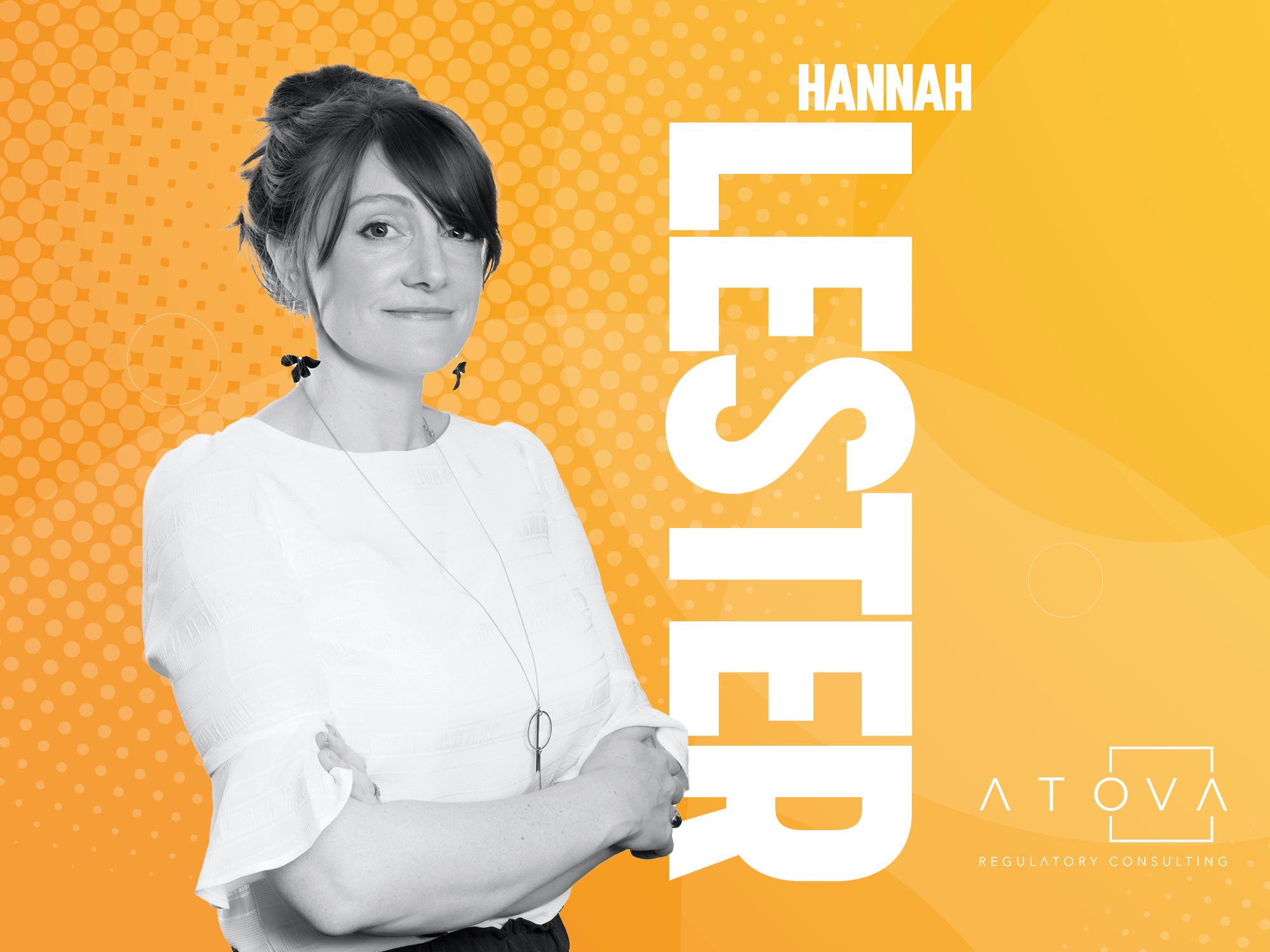
Dr Hannah Lester is the CEO of Atova Regulatory Consulting and also Head of Regulatory Strategy at PARIMA (creators of Gourmey). This article is republished from the Q2 2026 edition of Protein Production Technology International, the industry's leading resource for alternative proteins. To subscribe to all future editions, please click here
If you have any questions or would like to get in touch with us, please email info@futureofproteinproduction.com

More Opinion


Food biomanufacturing: A national security issue

Creating a new protein sector: Part II

Trade secrets: when, how and why to use them



The criticality of conducting LCAs


Creating a new protein sector: Part I


Protecting IP on a budget

Will the UK become the new Singapore?