Is politics killing the food technologies we will need tomorrow?
How will we produce food in 2040? The honest answer is we don’t know. Over the past decade, I have met thousands of entrepreneurs, scientists and engineers working on better ways to produce food. Some of those technologies will become enormously important. Others won’t make it. That’s innovation.
What concerns me today is when we don’t let technology, economics and customers decide, but instead let politics decide. Cultivated meat is a good example. For years, the critical questions were obvious. Can we grow animal cells efficiently? Can we scale the process? Can we get the economics to work? Will customers buy the product? We are starting to get answers.
Parima, formerly Gourmey, completed a multi-ton cultivated duck production run in a 22,000-liter bioreactor operated by Vow in Australia. The company reported comparable performance at scale and viable unit economics. Does that mean cultivated meat has won? No. Will it replace conventional meat? No. But the technology works at scale. Now let it compete.
If it can’t compete on economics, performance or customer demand, it should fail. But it should get the chance to fail. Instead, in some parts of the world, we are making a political decision about whether it should be allowed to compete at all. Florida prohibits the manufacture and sale of cultivated meat, while several other US states have enacted bans, moratoria or other restrictions.
Europe is wrestling with the same question. The EU has a regulatory framework for novel foods, requiring authorization and safety assessment before sale. Yet countries – including Italy and Hungary – have moved to prohibit cultivated meat.
Governments should ensure our food is safe, protect consumers and make sure products are properly labeled. But there is a big difference between regulating a technology and prohibiting it.
Governments should decide whether food is safe. Customers and economics should decide whether it succeeds. And this isn’t really about cultivated meat. It’s about keeping our options open.
It isn’t farmers versus technology. Farmers have always adopted new technology. Genetics, machinery, fertilizers, biological inputs, animal nutrition, precision agriculture and feed have changed food production. We should give farmers and producers more tools, not fewer.
Governments should decide whether food is safe. Customers and economics should decide whether it succeeds
At Big Idea Ventures, we see technologies across food and agriculture: better crops, feed, biological inputs, fermentation, new ingredients and proteins, improved animal agriculture, and cultivated meat. Which will matter in 2040? I don’t know. That’s the point.
Different countries have different challenges. A country dependent on imported food or feed, constrained by water or agricultural land, may need different technologies from one with abundant land, water and domestic production. There isn’t one answer.
Food security should therefore be about creating as many economically viable ways of producing food as possible, with as many tools as possible to provide for your people.
There is something else I find interesting when politics gets involved in deciding which food technologies are allowed. Technology, capital, scientists, companies and manufacturing can move. When a technology moves, the economic value around it moves, too: investment, factories, jobs and expertise.
I have spent considerable time this year talking with governments, universities, corporations and entrepreneurs across the USA, Europe, the Middle East and Asia. Some countries are starting to look at food technology differently. They see food security, resource efficiency, jobs and industrial capability.
So, what happens when a technology developed in one country isn’t allowed, funded or encouraged to scale there, but another country wants it? Where does the company go? Where does the IP go? Where are the factories built? And where does the expertise end up? These may become some of the most important questions for our industry.
Companies should fail. Technologies should fail. Investors should lose money when they get it wrong. Customers should decide if a product is too expensive, doesn’t taste good or isn’t something they want. That’s the market working. But we should be careful about killing technologies before they get that opportunity.
At Big Idea Ventures, this is increasingly where we are focused: finding important technologies, bringing together entrepreneurs, scientists, corporations, investors and governments, building companies around those technologies and creating pathways that allow them to scale.
We don’t need to pick all the winners today. We need to give promising technologies the opportunity to compete, scale, succeed or fail. Because food security isn’t about choosing one way to produce food. It’s about making sure we have enough ways to produce food.
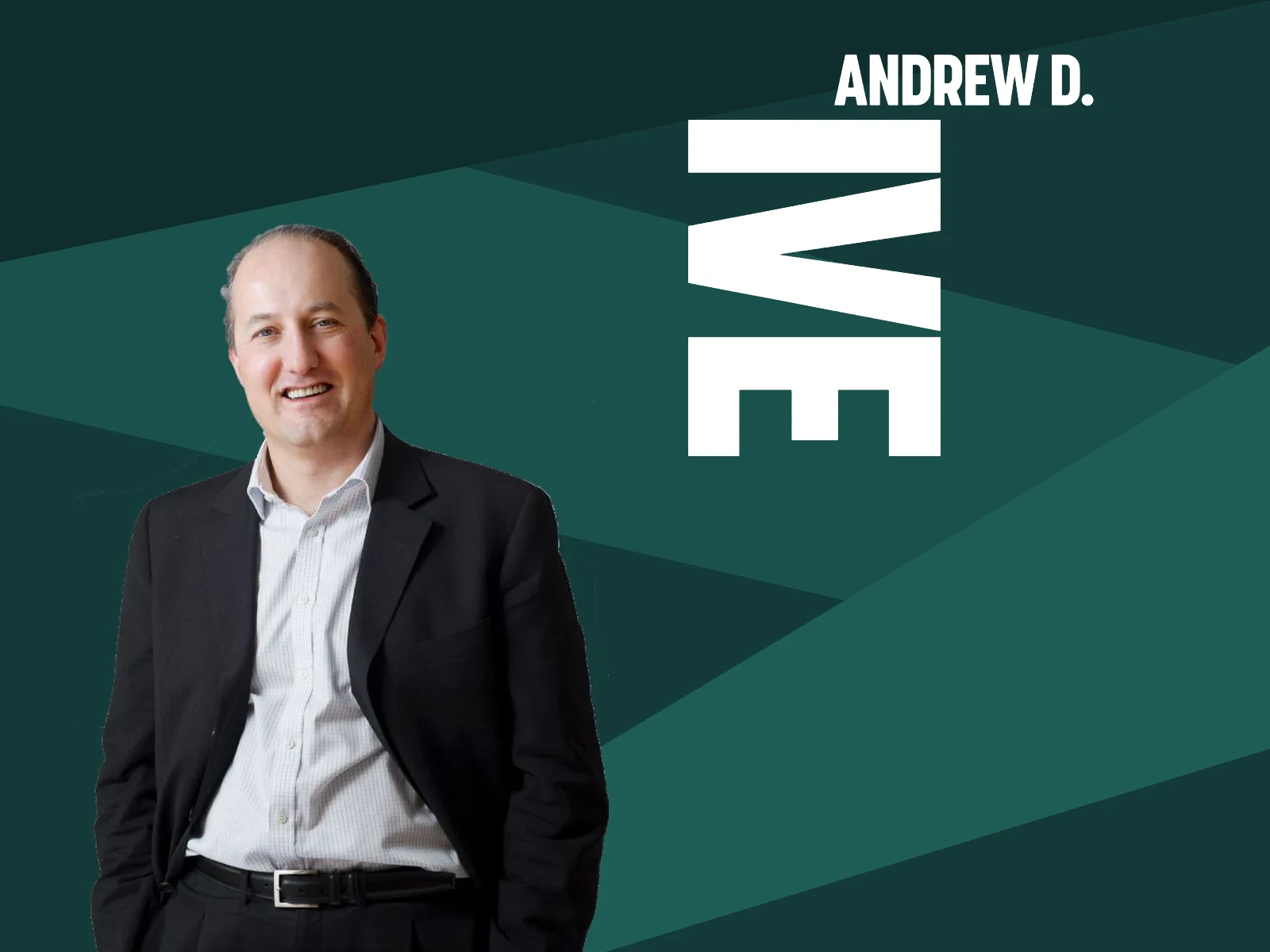
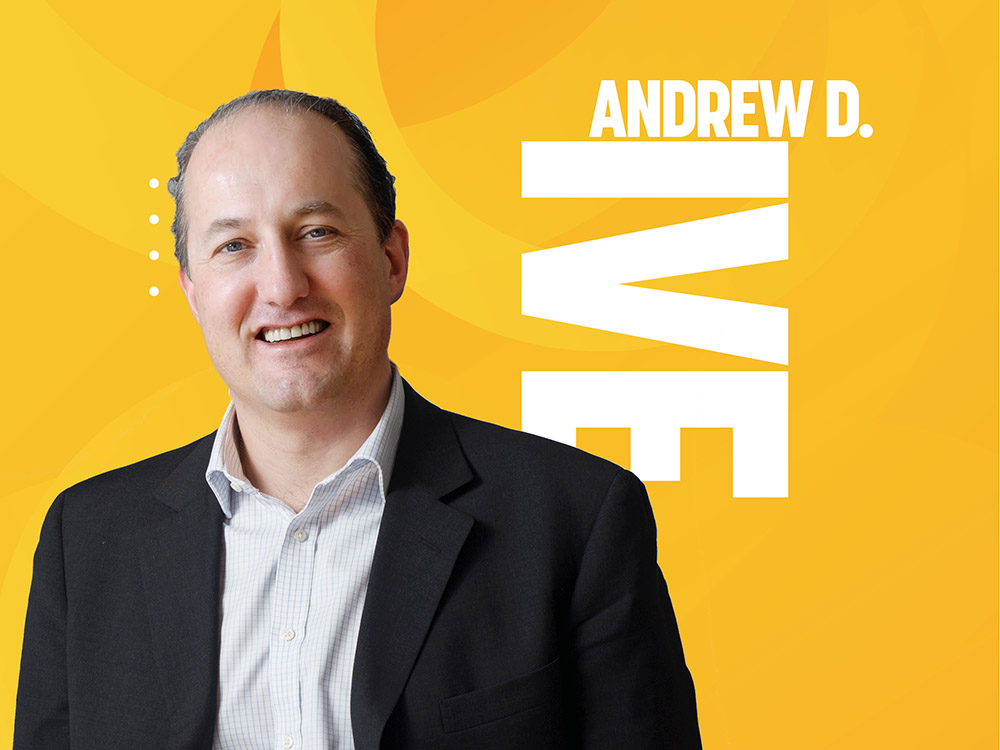
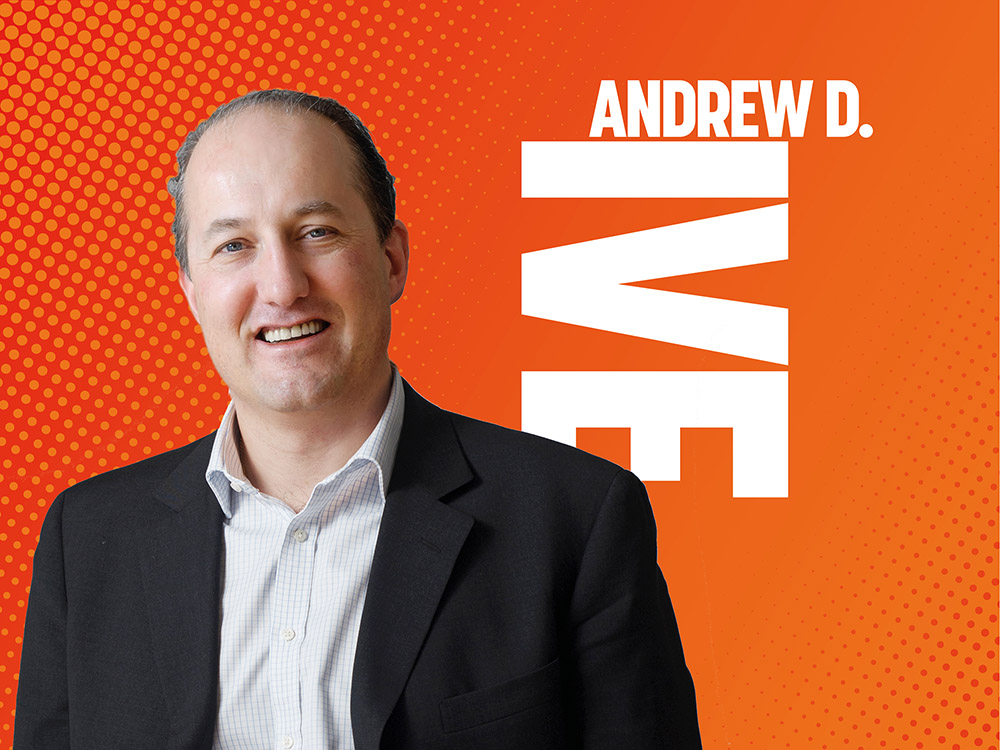
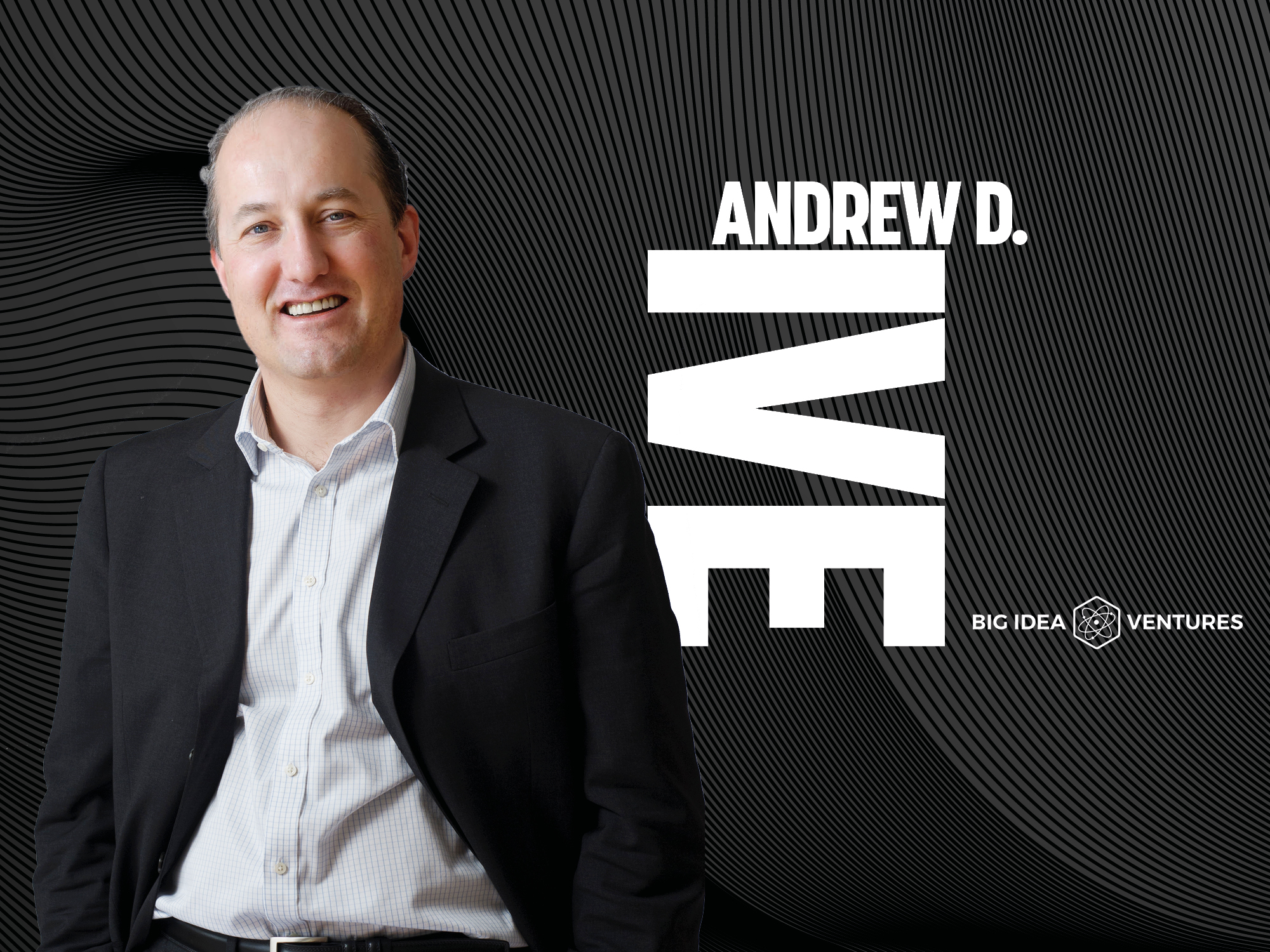
Andrew D. Ive is the Founder/Managing General Partner at Big Idea Ventures. He is an advisory board member for Tufts Nutrition Council, is a Friedman School Entrepreneurship advisor, Harvard Business School graduate, Procter & Gamble brand management trained, and has spent a number of years as an entrepreneur growing companies. This article is republished from the Q3 2026 edition of Protein Production Technology International, the industry’s leading resource for alternative proteins. To subscribe to all future editions, please click here.
If you have any questions or would like to get in touch with us, please email info@futureofproteinproduction.com

More Opinion
Food biomanufacturing: A national security issue
Creating a new protein sector: Part II
Trade secrets: when, how and why to use them


The criticality of conducting LCAs

Creating a new protein sector: Part I


Protecting IP on a budget

Will the UK become the new Singapore?