Aleph Farms proves its growth media can power third-party cell lines in Roslin Technologies collaboration

Aleph Farms has demonstrated that animal cells developed outside its own programs can grow successfully using its proprietary growth medium, marking what the company described as a key step toward broader, partner-enabled biomanufacturing.
The Rehovot, Israel-based cellular agriculture company announced the completion of the first phase of a collaboration with UK biotechnology firm Roslin Technologies, a developer of advanced animal cell lines for cellular agriculture applications.
• Aleph Farms completed the first phase of a collaboration with Roslin Technologies to test cross-platform cell growth.
• Roslin’s bovine cell line was successfully cultivated using Aleph Farms’ proprietary growth medium.
• The companies are moving into a second phase to evaluate additional species and cell types.
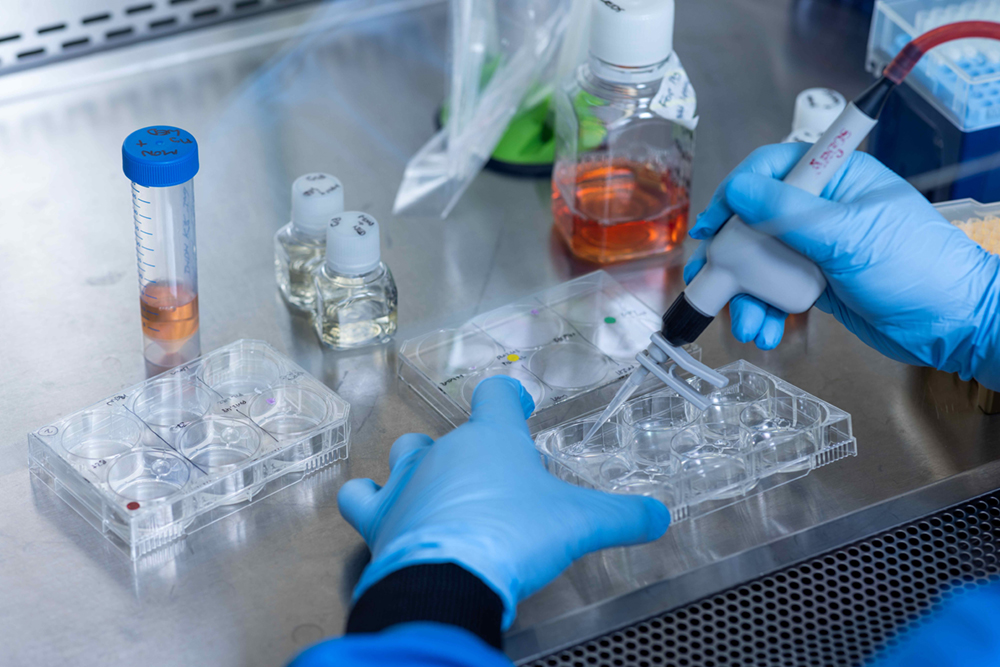
During the evaluation phase, Roslin Technologies’ bovine cell line was cultivated using Aleph Farms’ growth media, with the companies reporting robust performance across independently developed cell lines.
According to Aleph Farms, the results confirmed that its core technology can support cell cultivation for multiple partners and applications, rather than being limited to internally developed cell lines. The company said the milestone demonstrated the flexibility of its enabling platform and its potential to support animal-component-free production systems for industrial biomanufacturing across multiple sectors.
The collaboration also reinforced the commercial positioning of Roslin Technologies’ cell lines for integration into different production environments.
The announcement formed part of Aleph Farms’ wider strategy to build what it described as a global partner network around its biomanufacturing platform. The company said the Roslin collaboration, alongside partnerships across Europe and Asia involving manufacturing, technology, and research partners, reflected a distributed, partner-enabled approach to scaling cell-based production.
“This collaboration marks an important step in demonstrating that our core technology platform can support cell cultivation beyond our own internal programs,” said Neta Lavon, Co-Founder & Chief Technology Officer of Aleph Farms. “As industrial biomanufacturing expands across food and other bio-based industries, enabling platforms that can support multiple partners, cell types, and production systems will be essential to unlocking scalable global deployment.”
Deepika Rajesh, Chief Scientific Officer at Roslin Technologies, added: “We are pleased to collaborate with Aleph Farms and evaluate the performance of our bovine cell lines using their growth media technology. Demonstrating cross-platform compatibility is a key step in validating our cell lines for broad B2B deployment, and collaborations like this help advance robust, scalable cultivation systems that can benefit the whole next-generation biomanufacturing industry.”
Following the successful completion of the initial phase, the companies confirmed they are moving into a second phase of collaboration. This will evaluate additional species and cell types, further expanding the scope of the platform.
The work also feeds into Aleph Farms’ broader cost-reduction roadmap. The company referenced its recently completed techno-economic analysis, which outlined a pathway toward scalable, commercially viable production.
For the cellular agriculture sector, the milestone addresses a recurring question around interoperability. As more companies specialize in discrete parts of the value chain – cell line development, growth media, scaffolding, bioreactor design – the ability to demonstrate cross-platform compatibility is increasingly seen as critical to industrial scale.
By showing that an externally developed bovine cell line can be cultivated using its proprietary medium, Aleph Farms is seeking to position its platform as a partner-ready technology capable of operating across diverse cell types and applications.
The second phase of the collaboration will determine how far that interoperability can extend across additional species and industrial contexts.
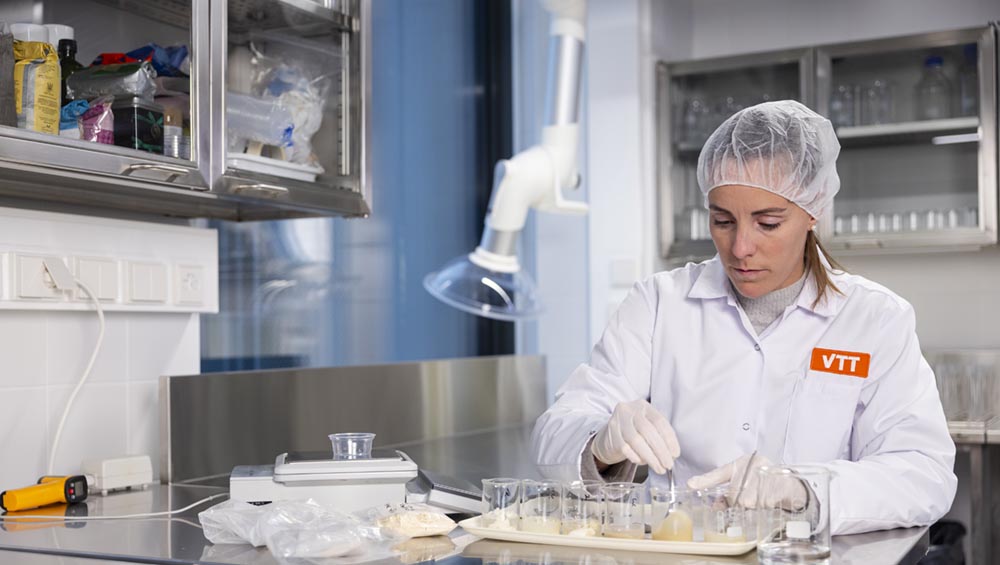
(Main photo courtesy of Roslin Technologies)

Join Us At One Of Our Upcoming Events

If you have any questions or would like to get in touch with us, please email info@futureofproteinproduction.com