Angel Yeast showcases clear yeast protein water at Fi Europe

Angel Yeast demonstrated a clear yeast protein water at Fi Europe in Frankfurt as it showed food and drink manufacturers where its fermentation-derived ingredients could fit into their product ranges. In a release issued on November 25, the company described the beverage prototype alongside protein pasta, savory sauces and bakery applications presented at the November 17–19 exhibition.
• Angel Yeast demonstrated clear protein water at the Frankfurt exhibition. It is targeting ready-to-drink beverages with Angeopro S80-A, a grade the company describes as fully soluble in water.
• Angeopro Hi90-A contains 88% protein, according to Angel Yeast, which is targeting sports nutrition. Both grades were first launched at Food Ingredients China in Shanghai in March.
• The Frankfurt demonstrations also included protein pasta, sauces and bakery products. The company’s release gave no retail launch plans or protein content for the clear water prototype.
The two grades serve different formulation needs. Angel Yeast describes S80-A as fully water-soluble and intends it for ready-to-drink beverages and fortified waters. It describes Hi90-A as having a neutral flavor and smooth mouthfeel, with a protein content of 88%. The company is targeting the second grade at sports nutrition and products for specialized diets, where formulators may want to deliver more protein within a fixed serving size.
Both products were introduced at Food Ingredients China in Shanghai in March, when Angel Yeast put out its original launch announcement. The Frankfurt exhibit showed European formulators how yeast-derived ingredients might perform in a wider set of recipes. International R&D specialists and Italian culinary professionals took part in the live demonstrations, which included clear protein water, Italian protein pasta, savory sauces and baked goods. The company discussed yeast extracts as well as yeast protein across the demonstrations.
Clear protein water is a useful application to examine because a clear format makes changes such as haze or sediment easy to see. How much protein a drink can carry depends on the whole recipe, including acidity and flavor ingredients. A producer would also need to see how the finished drink behaves after processing and during its intended shelf life. The company’s release described the demonstration without giving a protein dose per serving, the acidity of the drink or shelf-life data.
At the event’s conference forum, Winston Sun, Deputy General Manager of Angel Yeast’s Belgium Innovation Center, presented on yeast protein in sports nutrition foods. In the company’s March announcement, Li Ku, General Manager of its Protein Nutrition and Flavoring Technology Center, described the broader objective for the range. “Our goal is to make protein supplementation a more convenient and enjoyable part of daily consumption,” he said at the time.
Angel Yeast already has one example of a commercial beverage use for its Angeopro range. In January, Starbucks India and nutrition brand SuperYou introduced an optional protein cold foam using the company’s yeast protein. Angel Yeast said the topping could provide an extra 11g to 18g of protein per serving. The application used the protein in a foam placed on top of a beverage. The Frankfurt prototype showed a different use, with protein incorporated directly into a clear drink.
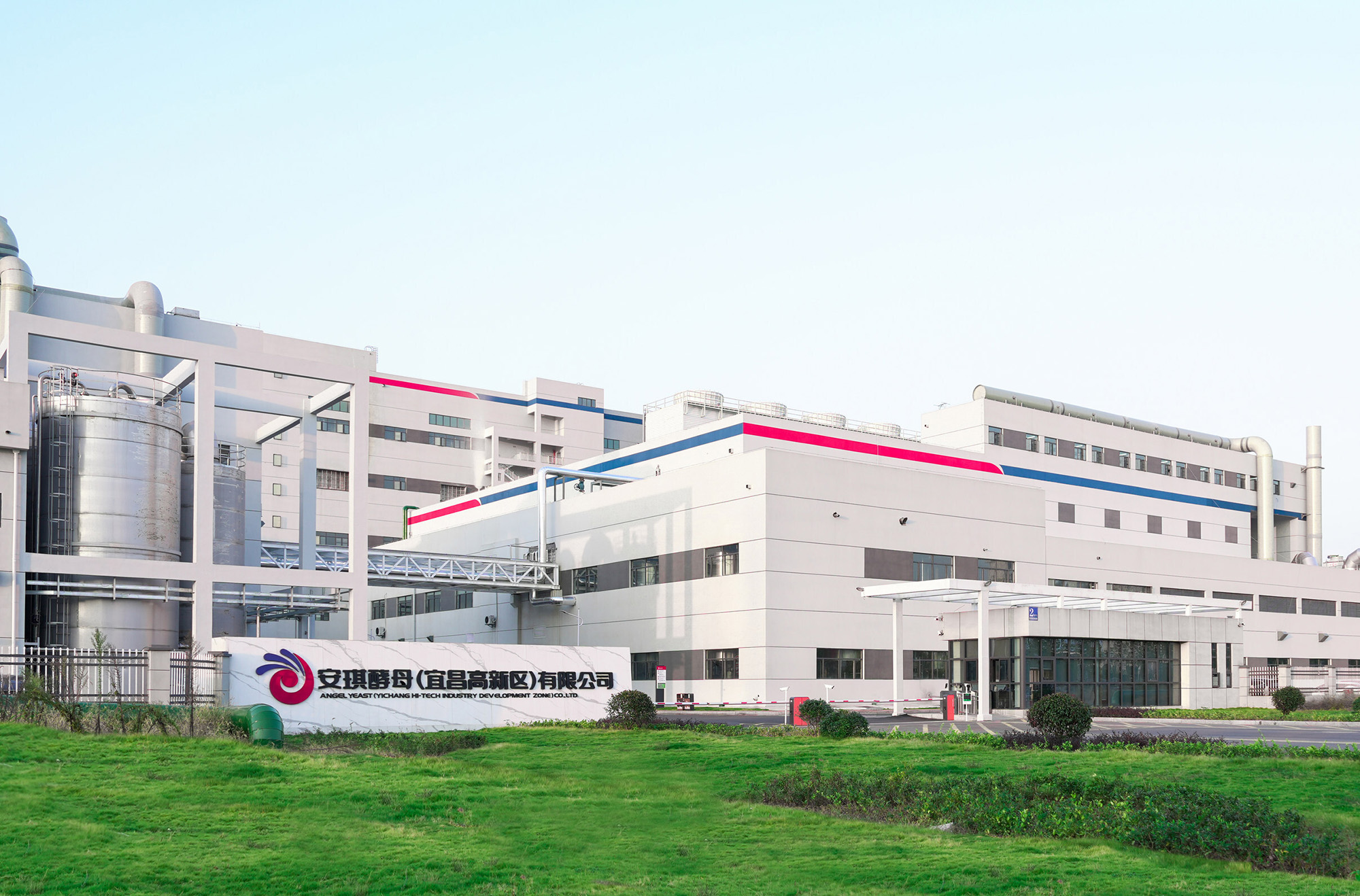
PPTI reported in September that both S80-A and Hi90-A were among four Angeopro grades that received Monash University Low FODMAP certification. Angeopro products manufactured at Angel Yeast’s Yichang High-Tech Zone facility also received Clean Label Project certification. A food or beverage manufacturer seeking to carry the Monash certification on its own product would still need to have the finished formulation assessed through the program. The certifications give buyers additional information about the ingredients as they evaluate them for specific recipes.
The supplier has also invested in production. It began operating a yeast protein line at Baiyang Biotechnology Park in Yichang in November 2025, with stated annual capacity of 11,000 metric tons of yeast protein. The latest release did not disclose volumes or availability by grade. For beverage companies considering a clear format, the next questions are what protein level they can reach in their own recipes, how the drink holds up in storage and what volumes the supplier can commit to.
(Main image courtesy of Angel Yeast)

Join Us At One Of Our Upcoming Events

If you have any questions or would like to get in touch with us, please email info@futureofproteinproduction.com