Before you scale: the questions to bring to FPP Amsterdam

From fermentation performance to finished-food functionality, specialists exhibiting on November 4-5 explain where commercial plans can come unstuck, and what to investigate before committing more capital
A protein ingredient can meet its specification and still fail in a customer’s factory. A fermentation can reach its target yield while producing material that costs too much to recover. A cheap feedstock can become expensive once transport, storage, variability and purification enter the calculation.
These problems rarely belong to one discipline. The scientist developing a strain, the engineer specifying a vessel and the manufacturer evaluating an ingredient may each have a different definition of success. Commercial production requires their answers to work together.
That is a useful starting point for conversations at The Future of Protein Production Amsterdam this week. Across the exhibition on November 4-5, specialists in fermentation, raw materials, measurement, separation, formulation and manufacturing will be discussing the decisions that connect laboratory performance with a product customers can use.
What happens when the vessel gets bigger?
A five-liter fermentation allows developers to investigate oxygen supply, mixing and heat removal under relatively manageable conditions.
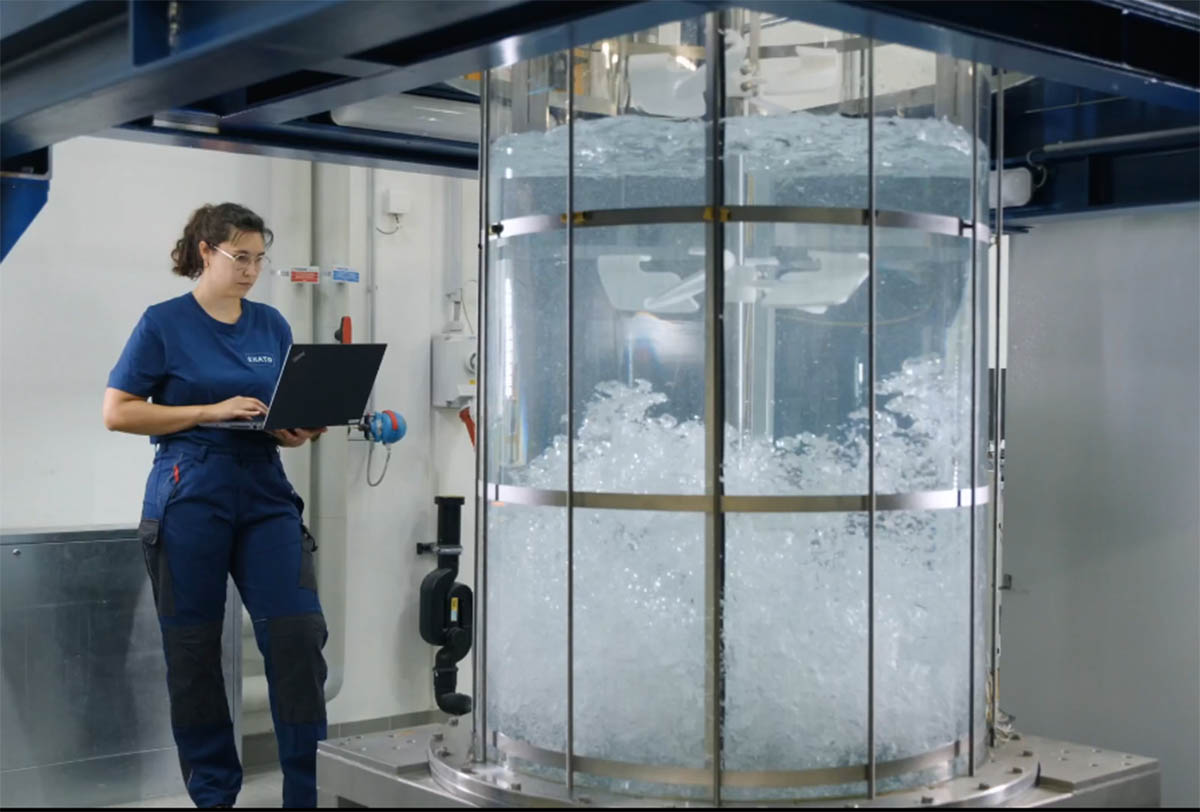
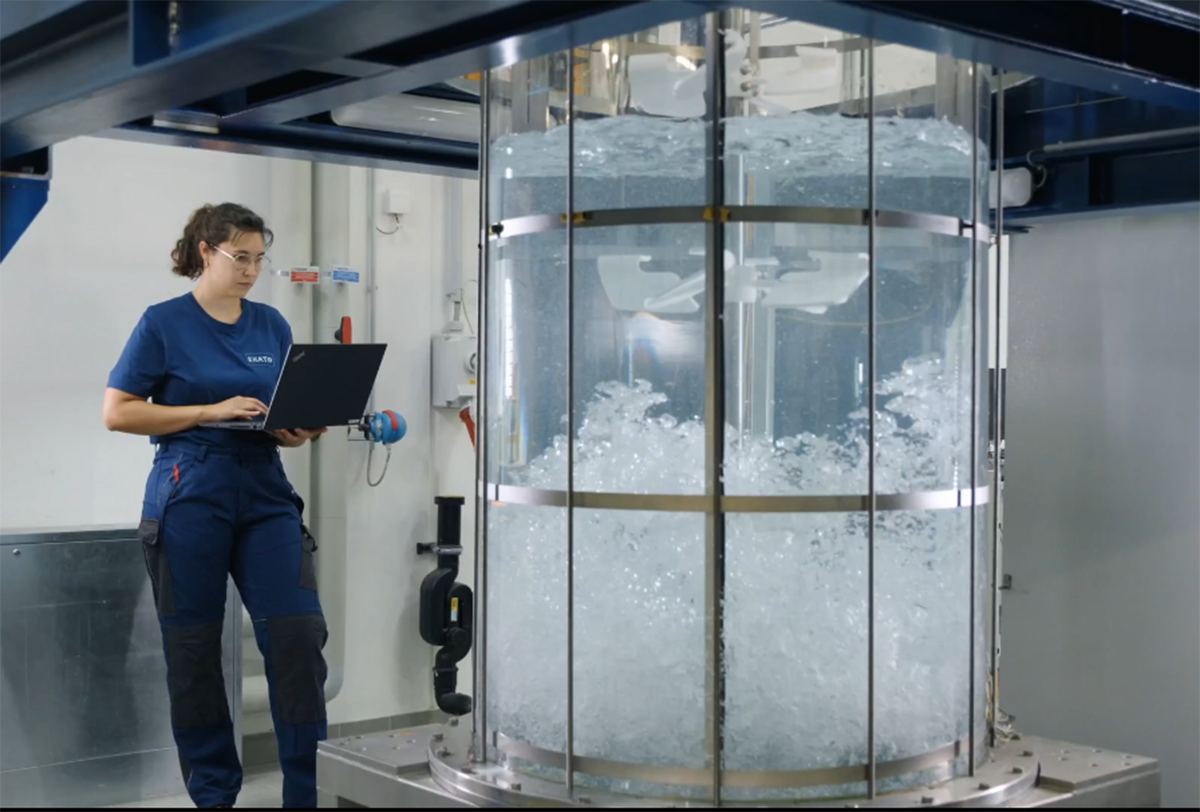
“Oxygen transfer is often the most important scale-up factor that we’re confronted with,” says Annika Schmidt, Head of the Applications Group at EKATO. Customers generally understand the yield and productivity they want. The engineering question is how to provide the conditions supporting that performance at the required scale.
Agitation influences gas dispersion, mixing, heat transfer, shear and power consumption. Holding one parameter constant can change several others. An apparently sensible laboratory rule can therefore become an expensive commercial requirement.
Schmidt encourages developers to explore conditions outside their biological optimum. Changing gas rates or specific power input can establish how much flexibility the organism allows before productivity suffers. That information gives engineers more options when equipment size and energy costs become constraints.
Change as much as possible during development so that you can also find the sweet spots regarding the equipment, not only the process itself
Annika Schmidt, EKATO
“Change as much as possible during development so that you can also find the sweet spots regarding the equipment, not only the process itself,” she advises.
A narrow operating window deserves investigation before it becomes part of a plant specification. Developers need to distinguish conditions essential to performance from those that have simply remained unchanged during laboratory work.
Björn Alriksson, Research & Business Development Manager at RISE Research Institutes of Sweden, encounters similar uncertainties as companies move through progressively larger production systems.
“It’s not always easy to know whether a microbe that grows very fast on an agar plate will work at scale,” he says.
RISE can test processes through parallel bioreactors and 100-, 1,000- and 10,000-liter production, alongside filtration, centrifugation and drying. Each step can expose constraints that smaller experiments could not reveal.
A fast-growing culture, for example, may demand more oxygen and generate more heat. Cooling surface becomes smaller relative to vessel volume as scale increases. An attractive biological characteristic can consequently create a difficult equipment requirement.
The purpose of a larger trial needs to be clear. Is it demonstrating repeatability, testing cooling capacity, generating application samples or investigating recovery? Those objectives affect how the run should be designed and what constitutes a useful result.
Are the cells doing what the controls suggest?
Even a stable-looking fermentation can conceal a biological problem. Dissolved oxygen and pH may remain at their setpoints while the organism diverts carbon toward an unwanted byproduct.
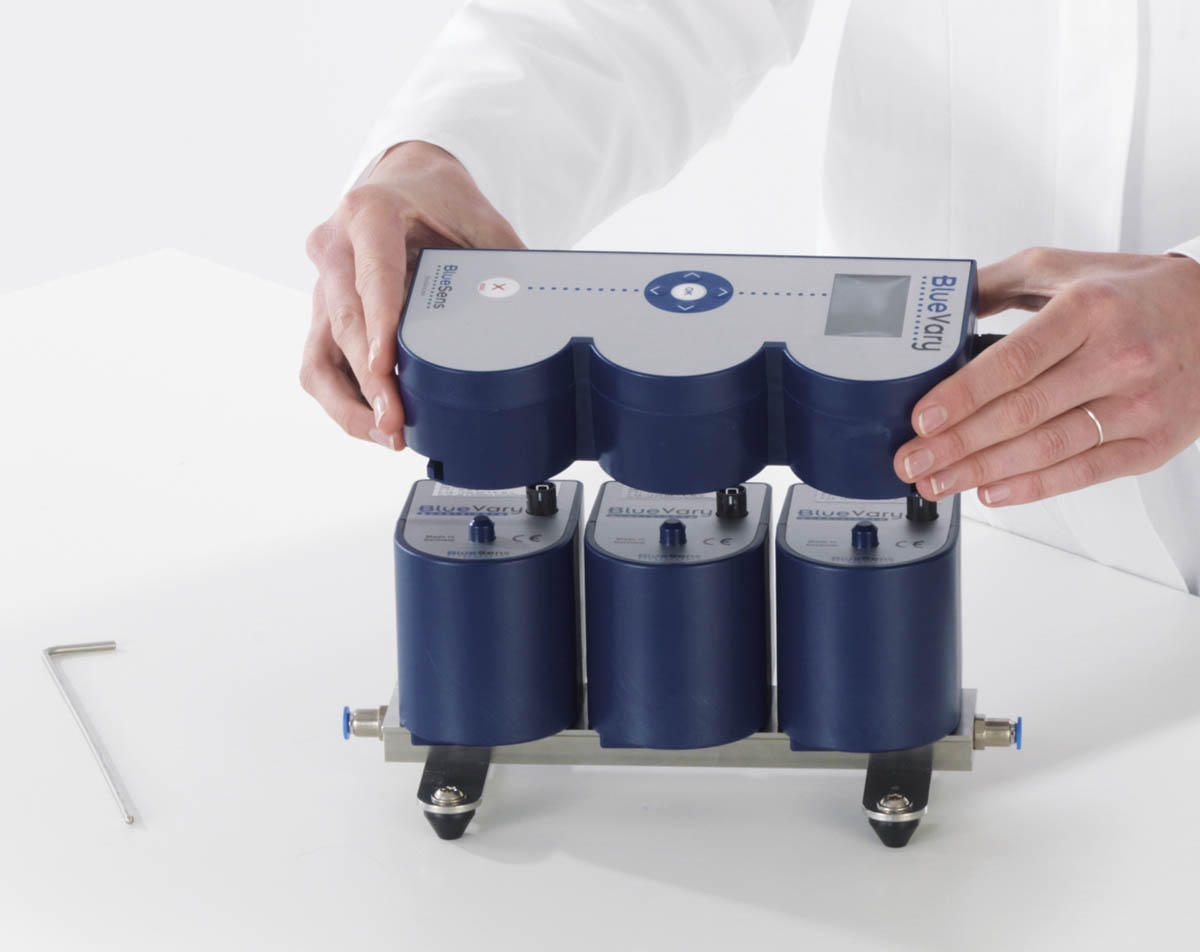
Holger Müller, CEO of BlueSens, argues that oxygen consumption and carbon dioxide production provide information conventional control measurements can miss.
“In the end, we are always talking about balances. What is going into a bioreactor and what is coming out? If you know that, you mostly know what is happening inside the bioreactor.”
Oxygen uptake rate, carbon dioxide emission rate and their relationship, the respiratory quotient, help operators interpret metabolism. They can indicate substrate depletion, oxygen limitation or a change in the material being consumed.
Our biggest wish is that researchers in the lab actually use the data they are monitoring
Holger Müller, BlueSensHolger Müller, BlueSens
That creates an opportunity to feed according to the organism’s behavior. A predetermined feeding schedule assumes the culture follows an expected trajectory. Feedback control can respond when it does not.
The consequences extend into recovery. Overfeeding can encourage unwanted pathways and reduce yield. Byproducts may then have to be removed downstream, adding cost to a process that appeared satisfactory on its standard dashboard.
BlueSens also sees respiratory measurements as reference points during scale-up. Engineering conditions inevitably change between vessels; biological data can help establish whether the culture is still performing as intended.
Müller sees considerable scope to make better use of measurements already available.
“Our biggest wish is that researchers in the lab actually use the data they are monitoring,” Müller says. “We have seen so many experiments where they have a lot of data but use only a fraction of it.”
Will the recipe still work when ingredients arrive by the ton?
Raw-material decisions can seem routine during early development. A researcher orders a kilogram of a chemical and receives it within days. Industrial production requires dependable supply, consistent specifications and workable handling arrangements.
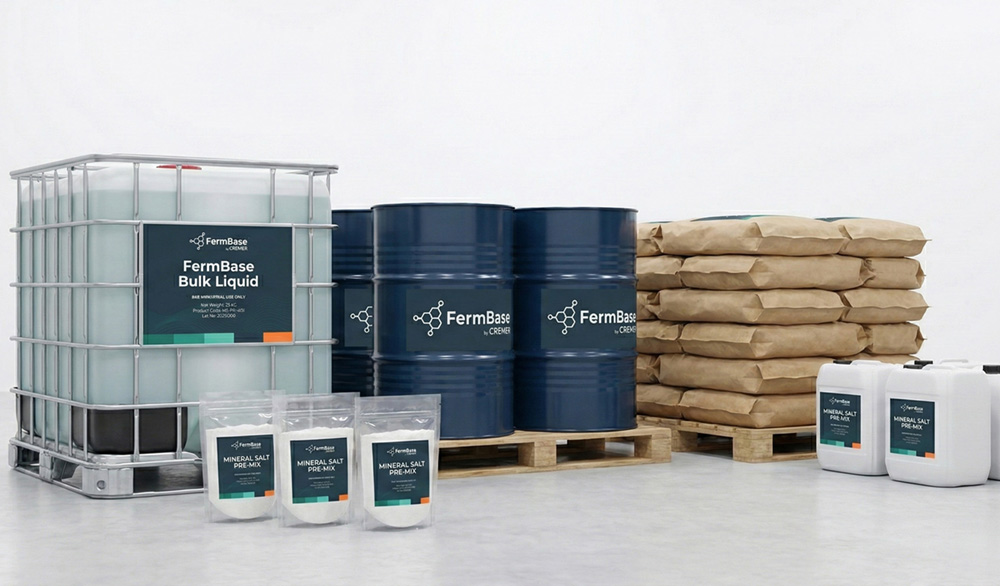
“At a certain scale you might not even get your raw material anymore in the amount that you need,” says Gerlis von Haugwitz, Product Manager Fermentation at FermBase by CREMER.
Changing suppliers can introduce differences that a specification does not fully explain. Impurities may affect growth, metabolism, yield or byproduct formation. Predictability matters alongside composition.
Side streams require particular scrutiny. A low purchase price may come with transport costs, pretreatment, storage requirements, limited shelf life or variability. Impurities carried into the finished material may increase downstream work.
“So, I think the important question is very often not only what does the feedstock cost per kilogram, but when you include logistics, storage, variability, pretreatment, quality control, process robustness and also downstream processing – what are the overall costs that this feedstock is causing you?”
Operational complexity deserves the same attention. Every medium component must be sourced, documented, stored, weighed and dosed. Removing unnecessary preparation work can improve manufacturing without changing the core biology.
FermBase’s Y-Base Blend addresses the mineral and trace-element portion of yeast media. Developed through work with Differential Bio and subsequent customer validation, it is supplied at laboratory, pilot and industrial quantities with the same composition and specification.
Standardizing that portion of the medium can reduce repeated preparation work while leaving developers free to adjust other components.
Supply assurance, variability and preparation time all belong in the cost calculation. Once a process depends on regular industrial deliveries, changing a raw material may require further validation as well as a new supplier.
How much product survives recovery?
The quantity produced in a fermenter does not establish the quantity available to sell. Recovery yield, purity, concentration and processing time determine how much useful ingredient emerges and what it costs.
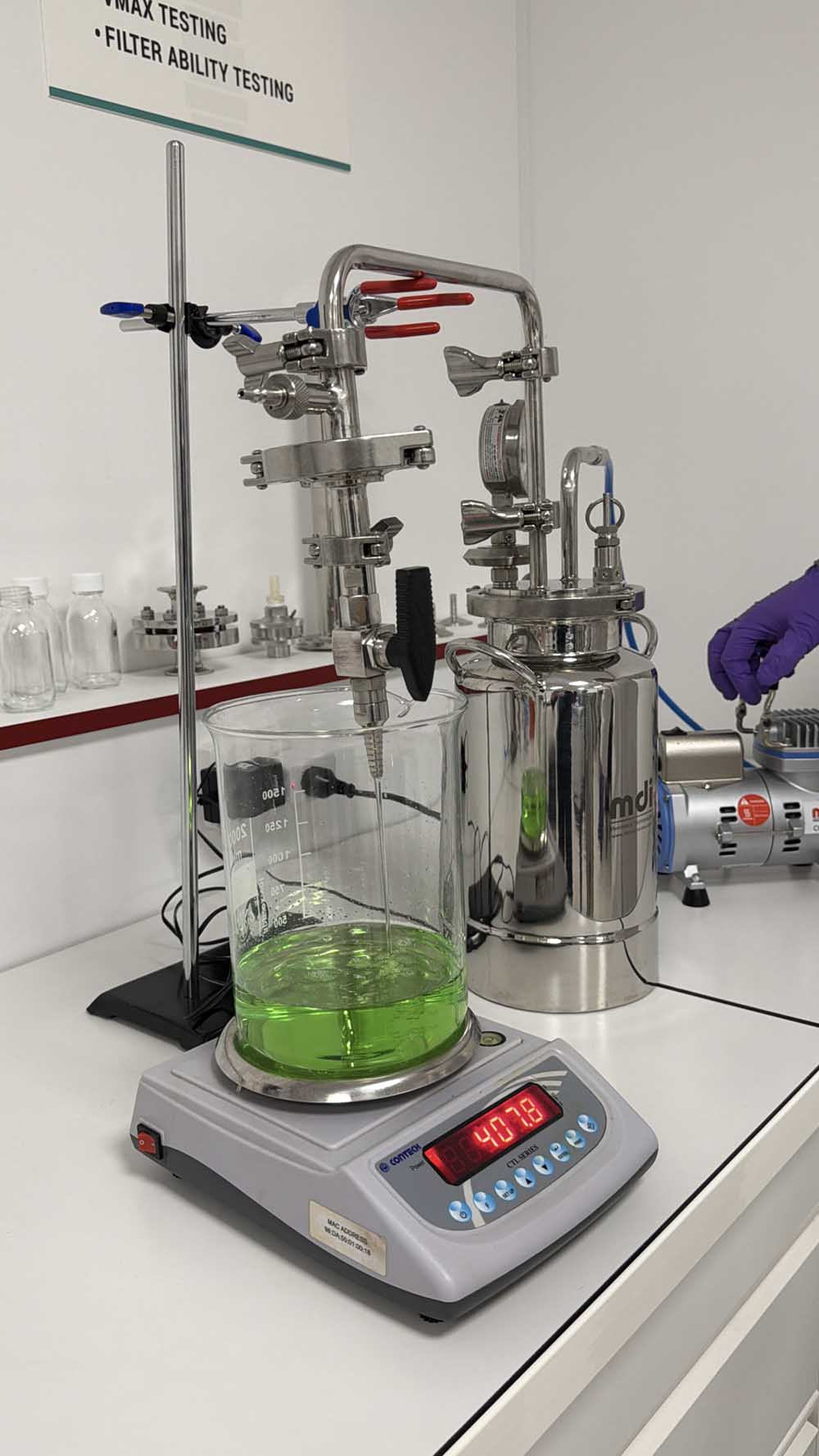
“A filter with excellent throughput can still be expensive if it retains valuable protein,” says Tim de Moed, Sales Manager Filtration at M-Filter.
Where filtration is used to harvest microbial biomass, the retained cells are the product. For secreted proteins, clarification removes cells while allowing the ingredient into the filtrate.
“We measure recovery through a mass balance, including collected product, reject streams and recovery rinses,” de Moed explains.
A filter with excellent throughput can still be expensive if it retains valuable protein
Tim de Moed, M-Filter
The balance includes residues in housings, tubing and bags. Recovery rinses add liquid that may need further concentration.
“We would compare total cost per completed batch and per kilogram of recovered ingredient,” de Moed says.
Marcel Raedts, President of Proxcys, draws on experience in plasma fractionation and lactoferrin isolation to challenge assumptions inherited from biopharma.
“In biopharma, the product may need to be 99.999% pure, so they need to remove everything. In precision fermentation, you want to remove as little as possible, but enough to have the right product.”
Each purification step must contribute to meeting the required specification, with its protein losses, water and buffer use, processing time and equipment costs included in the assessment. A dilute recovered stream can also increase evaporation or drying costs.
Proxcys develops high-performance radial flow chromatography, shortening the distance liquid travels through the packed bed. Raedts emphasizes efficient separation, reproducible packing and recovering protein in the smallest practical volume.
“All processes developed for lactoferrin and precision fermentation really need to be scrutinized,” Raedts says. “What is actually necessary? What can we let go? What can we leave out? What is excessive?”
Proxcys is also investigating whether technology developed for CHO cell cultures could allow fermentation streams to enter chromatography without preliminary filtration. That work remains experimental.
A prefilter may protect a membrane, de Moed notes, but adds consumable costs and another possible source of protein loss.
“Another filter is justified only if it addresses that requirement with acceptable recovery and cost,” he says. “A finer filter will not necessarily remove dissolved impurities.”
Sizing requires full-batch trials: solids, viscosity and cell debris affect capacity and replacement frequency.
“Initial flow alone is insufficient. The commercial design must accommodate declining performance and batch variation.”
Recovery methods also determine whether food trials use representative material, Alriksson notes. Laboratory preparations may differ from the ingredient a commercial plant would supply.
“You usually need to do this at scale or through some sort of continuous production, where you also include the relevant downstream processing methods to get representative material that you can use for the testing,” Alriksson explains.

Will the ingredient work in the food?
An ingredient specification describes selected properties. It cannot establish performance under every manufacturing condition.
Dr Valerie Stahl, Application Specialist for Food Extrusion within Thermo Fisher Scientific’s Material Characterization team, sees that gap when promising proteins encounter extrusion.
“Companies generally have a good understanding of the compositional properties of their ingredients, such as protein content, amino acid profile, and protein solubility,” she says. “What they often don’t know is how those ingredients actually behave under extrusion conditions.”
Even powder flow and feeding can cause difficulties before structure formation begins. Heat, shear and moisture conditions during extrusion can differ substantially from those used in conventional ingredient tests.
Laboratory-scale extrusion and complementary characterization can help developers investigate those responses while scarce ingredients are still available only in small quantities. Rheology, spectroscopy and structural analysis can connect processing conditions with the resulting food.
A successful trial starts another investigation: why did it work, how sensitive is it to variation and can the result be repeated?
That thinking connects with formulation work at Hydrosol and Planteneers. Combining proteins changes the system. Viscosity, texture, sensory performance and responses to temperature or pH cannot simply be inferred from two previously successful recipes.
“We really need to look at the complete system,” says Kirsten Jacke, Senior Product Manager at Hydrosol. “That means the formulation, the ingredients and the process, so that in the end we achieve a product that meets our target.”
Dr Pia Meinlschmidt, Head of Product Management at Planteneers, asks an earlier question: what improves through the combination? Nutrition, functionality, cost and sustainability can all contribute, but consumers still need a recognizable reason to buy.
Maybe hybrid works best when it’s the way we create a better product, rather than the reason we ask people to buy it
Dr Pia Meinlschmidt, Planteneers
The hybrid formulation itself may not provide that reason.
“Maybe hybrid works best when it’s the way we create a better product, rather than the reason we ask people to buy it,” Meinlschmidt says.
A useful product brief therefore needs more than a target protein content. Eating experience, nutritional requirements, cost and processing conditions determine which combinations are worth developing.
Which experiments deserve the next batch of material?
Better experimental design becomes valuable when several requirements compete. Developers may need to improve texture, reduce cost, shorten an ingredient list and maintain shelf life simultaneously.
Proxy Foods AI uses predictive models and accumulated experimental results to narrow the combinations worth taking to the bench.
“What AI doesn’t accelerate is physical work – lab time, sensory panels, shelf-life studies,” says CEO Panos Kostopoulos. “The win is making sure that work is pointed at the right targets.”
The platform works across formulation and ingredient development, with applications also extending to cell culture media. Physical validation remains necessary; models guide the selection of candidates.
Its usefulness depends partly on retaining knowledge from previous work. Results on processing, sensory performance and functionality can inform subsequent choices, including when ingredient availability or prices change.
“The bottleneck the industry under-discusses is functional properties at a price the mainstream consumer will pay,” Kostopoulos says.

Which capabilities must you own?
Resolving these technical questions does not automatically mean building every capability in-house.
Cibus Nexum Co-founder Arjen van der Wijk encourages companies to establish their intended business model early. Licensing technology, supplying an ingredient and manufacturing a finished product create different requirements.
“Think first about where you want to end up,” he says.
You should own your critical knowledge, but you don’t need to own everything, right? Not necessarily everything is critical for your process
Nils Rupp, FermBase by CREMER
External capacity must still fit the process. Equipment, specifications, quality, batch sizes and economics all require validation. A manufacturer’s development expertise can be as important as its available production hours.
“It truly needs to be a partnership, not just a one-year arrangement,” Van der Wijk says.
The specialists gathering in Amsterdam on November 4-5 can help test these assumptions before they become equipment orders or construction commitments. Some answers may require another trial. Others may change how much of the production process a company decides to take on itself.
FermBase’s Nils Rupp observes that some plans described as one factory effectively combine several industrial operations, from raw-material preparation through fermentation, recovery, drying and packaging. Each brings its own equipment, operating demands and investment requirements.
“You should own your critical knowledge, but you don’t need to own everything, right? Not necessarily everything is critical for your process.”
All the companies featured in this article are exhibiting at The Future of Protein Production Amsterdam on November 4-5 at the RAI Amsterdam. The exhibition is free to attend, giving you the opportunity to meet their teams, discuss your production challenges and explore ingredients, equipment and services. Register for your free exhibition pass and come along with your questions

Join Us At One Of Our Upcoming Events

If you have any questions or would like to get in touch with us, please email info@futureofproteinproduction.com