


Beyond longevity: How healthy aging is redefining food innovation

The next generation of foods won’t be judged simply by how much protein they contain, but by how well they help people stay healthy for longer
Living longer used to be the ambition. Staying healthy for longer has become the challenge.
Across OECD countries, someone reaching the age of 65 in 2023 could expect to live another 20 years on average. It’s a remarkable achievement, reflecting decades of advances in medicine, public health and healthcare. Yet those additional years are not always lived in good health. Healthy life expectancy – which measures the years people can expect to live free from significant illness or disability – has become an important indicator of successful aging. On average across OECD countries, women can expect around 18.3 healthy years after the age of 60, while men can expect 16.2.
For the food industry, that raises a different question. Medicine may help extend life. But nutrition has an important role to play in helping people remain strong enough to enjoy those additional years.

Food innovation is beginning to ask different questions. Instead of focusing solely on how much protein a product contains or how few calories it delivers, the emphasis is shifting towards something much broader: helping people remain active, resilient and independent throughout longer lives.
That change is reshaping the way products are formulated. Much of food innovation has traditionally centered on individual nutritional targets. More protein. Less sugar. Reduced fat. Added vitamins. Those objectives remain important, but they no longer tell the whole story. Muscle health, gut health, bone strength, metabolic resilience, cognitive wellbeing and quality of life are now being viewed as interconnected rather than separate nutritional goals.
The focus is no longer simply on longevity but healthspan – the number of years lived in good health
Peter Poulsen, Head of Global Marketing, Arla Foods Ingredients
At the heart of that shift, Peter Poulsen, Head of Global Marketing at Arla Foods Ingredients, sees one defining demographic trend.

“The other fundamental change is population aging, where the focus is no longer simply on longevity but healthspan – the number of years lived in good health,” he says.
Living longer has little value if those additional years are marked by frailty, declining mobility or loss of independence. For ingredient developers, that changes the role nutrition is expected to play. Rather than responding once health begins to decline, foods are being formulated to help preserve muscle, support bone health and maintain physical function throughout later life.
Poulsen says those changing expectations are already influencing product development.
Older consumers are looking for everyday foods and beverages that help reduce age-related muscle and bone loss without requiring them to fundamentally change the way they eat. Nutrition is becoming less about specialist products and more about incorporating meaningful health benefits into familiar formats that people enjoy consuming every day.
Paul Donegan, Commercial & Market Development Manager at ATURA, sees exactly the same shift. “Protein has become an important part of the healthy aging and longevity conversation because the focus has shifted from simply living longer to maintaining quality of life for longer,” he says.
The shift has also changed who protein products are being designed for.
The industry is starting to think differently about protein beyond the traditional sports nutrition market
Paul Donegan, Commercial & Market Development Manager, ATURA
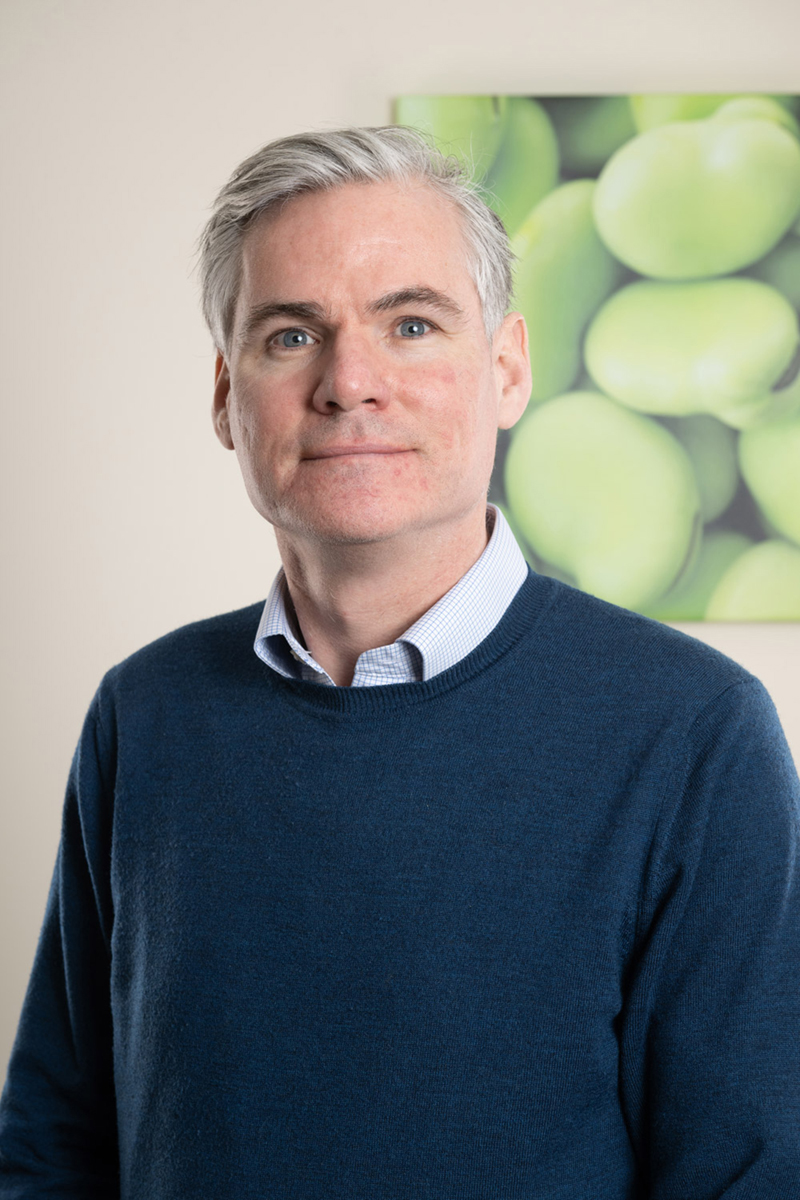
Once associated primarily with athletes and bodybuilders, protein is now finding its way into products intended for a much wider audience. The opportunity, Donegan believes, lies in helping manufacturers create foods that support everyday wellbeing rather than specialist performance. Consumers are looking for products that fit naturally into breakfast, snacks and family meals while helping them remain active, mobile and independent as they age. In that sense, healthy aging is becoming less of a specialist nutrition category and more of a mainstream food opportunity.
“The industry is starting to think differently about protein beyond the traditional sports nutrition market,” Donegan explains. “Consumers of all ages are looking for convenient, protein-rich products that support active lifestyles, healthy aging, satiety and everyday nutrition.”
Yet as protein moves into the mainstream, another shift is taking place. Protein claims have become one of food’s most powerful marketing tools. For much of the past decade, a higher number on the front of the pack often implied a better product. Winston Sun, Product Manager of Microbial Protein at Angel Yeast, believes that approach is beginning to run out of road.
“The future market is no longer about simply competing on who has the higher protein content,” he says. “It’s about who can provide superior nutrition more precisely.”
The future market is no longer about simply competing on who has the higher protein content. It's about who can provide superior nutrition more precisely
Winston Sun, Product Manager of Microbial Protein, Angel Yeast
Behind that observation lies a shift in product development. Rather than viewing protein as a standalone selling point, companies are now considering how it performs alongside digestibility, amino acid composition, micronutrients and the specific nutritional needs of different consumer groups. The objective is becoming less about maximizing protein content and more about delivering better nutritional outcomes.
.jpg)
Once the conversation moves beyond simply adding more protein, it opens the door to a much richer discussion about overall nutritional quality.
The commercial opportunity reflects that growing demand. Analysts estimate the global healthy aging nutrition market was worth more than US$52 billion in 2025 and forecast it will almost double over the next decade, driven by aging populations, rising health awareness and growing demand for preventative nutrition. Functional foods and nutritional beverages account for a growing share of that market as manufacturers look beyond supplements to embed healthy aging into everyday eating occasions.
Despite approaching the topic from different directions, they all arrived at the same destination. Protein may be the starting point, but it is no longer the destination.

Protein is only part of the story
Protein undoubtedly remains one of the most important nutritional tools available for maintaining muscle mass and strength as people age. But it is only part of the story.
Healthy aging depends on far more than a single nutrient: fiber, gut health, bone health, micronutrients, digestibility, food structure and even enjoyment all have a role to play.
The challenge is no longer identifying the next hero ingredient. It is understanding how those different nutritional components work together to support healthier lives.
Consumers are becoming less interested in individual nutrients and more interested in overall nutritional quality
Dr Stephan Theis, Head of Nutrition Science & Communication, BENEO
For Dr Stephan Theis, Head of Nutrition Science & Communication at BENEO, fiber deserves far greater recognition in that conversation.
“As we age, the gut microbiome changes significantly,” he explains. “This can affect digestive health, immune function and the body's ability to absorb nutrients. Fiber plays a crucial role in supporting a healthy microbiome throughout life.”

That becomes even more important as populations grow older.
A healthy gut does far more than support digestion. Growing evidence links the microbiome to immune function, metabolic health and even cognitive performance. At the same time, aging is associated with changes in gut microbial diversity, making nutritional interventions that support the microbiome relevant.
Theis believes protein’s growing popularity has had one unintended consequence. Other equally important nutritional components risk receiving less attention.
Consumers, he argues, are becoming less interested in individual nutrients and more interested in overall nutritional quality. That naturally shifts the discussion towards fiber, digestive health, mineral absorption and the wider food matrix rather than focusing on protein in isolation.
Bone health provides another example.
While calcium has traditionally dominated discussions around osteoporosis, Theis points out that certain dietary fibers can improve calcium absorption, helping maintain bone mineralization alongside adequate protein intake. The consequences extend well beyond reducing fracture risk.
“Losing bone strength can ultimately mean losing independence,” he says.
It is a simple observation, but one that captures the real purpose of nutrition for healthy aging. The objective is not simply extending life. It is preserving the ability to enjoy it.
We've simplified nutrition to a point where we've forgotten that foods are incredibly complex systems
Ross Milne, CEO, Leaft Foods
Ross Milne, Chief Executive Officer of Leaft Foods, takes that argument a step further. While protein remains an essential part of healthy aging, he believes the industry sometimes risks reducing nutrition to a single number on the front of a pack.
“I think we’re doing ourselves a disservice when we talk only about protein,” he says.
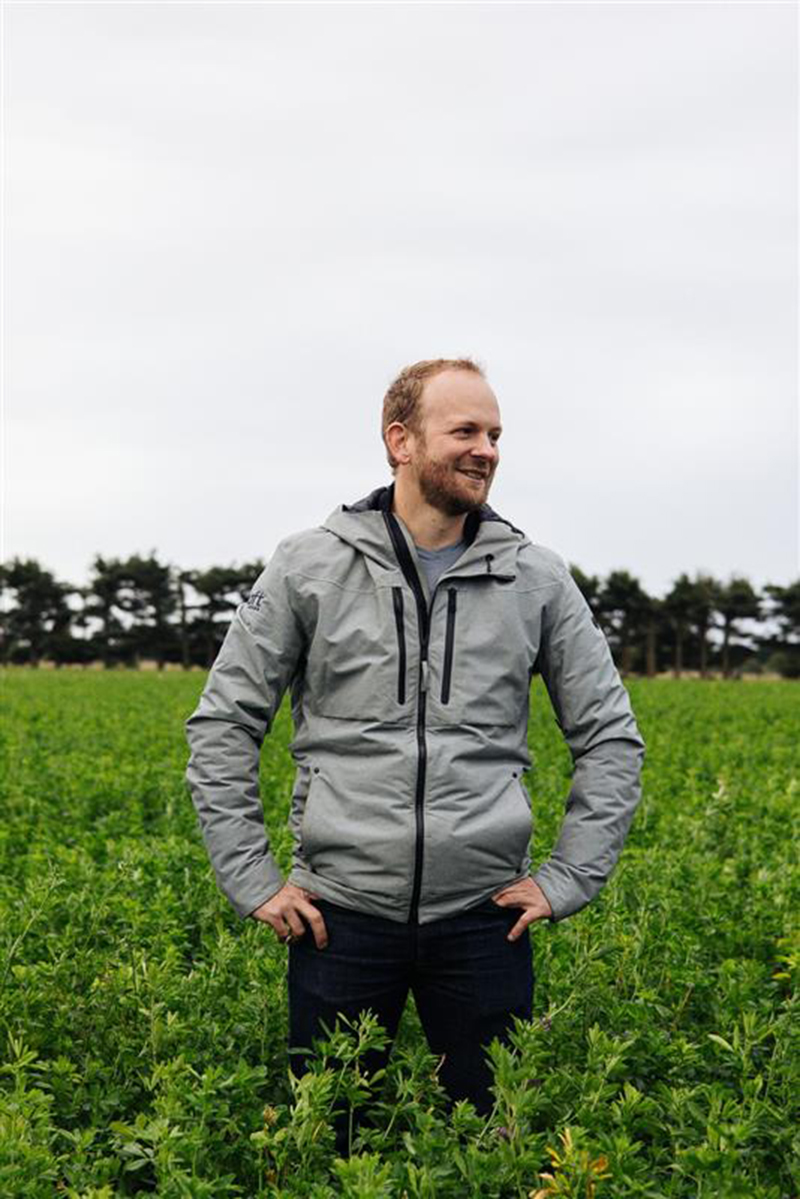
For decades, food science has often broken nutrition into individual components. Protein. Fat. Carbohydrates. Vitamins. Minerals. Useful from a scientific perspective, perhaps. Less useful, Milne argues, when those nutrients are separated from the natural complexity of food itself.
“We’ve simplified nutrition to a point where we’ve forgotten that foods are incredibly complex systems,” he says. “There are thousands of compounds interacting with one another, many of which we’re only just beginning to understand.”
Milne believes this requires a different way of thinking about food. Rather than asking how much protein a product contains, developers are beginning to ask how different ingredients work together to produce better health outcomes.
It is a shift from measuring nutrients to designing nutritional systems.
People don’t eat nutrients
People rarely choose foods because they contain leucine, resistant starch or prebiotic fiber. They choose them because they want more energy, better recovery, support for healthy aging or help managing their weight.
Tyler Lorenzen, CEO of PURIS, believes the industry has reached an important turning point. “For a long time, innovation centered on individual ingredients,” he says. “Today, the conversation is about the outcomes those ingredients help deliver.”
For a long time, innovation centered on individual ingredients. Today, the conversation is about the outcomes those ingredients help deliver
Tyler Lorenzen, CEO, PURIS
That shift has implications well beyond marketing. It changes how products are conceived in the first place. “It has to fit naturally into people’s lives,” Lorenzen explains. “Nutrition shouldn’t feel like another obligation.”
It sounds obvious. Yet it has profound implications for food innovation. A product delivering impressive nutritional benefits means little if consumers dislike the taste, dislike the texture or simply stop buying it after a few weeks.

Healthy aging is therefore as much a sensory challenge as a nutritional one.
That observation resonated strongly with Milne, who recalls feedback from one participant during Leaft’s consumer work. “The biggest benefit for this person,” he says, “was that they no longer needed their afternoon nap.”
Scientifically, it may not sound like a breakthrough. From the consumer’s perspective, however, it transformed everyday life. Having enough energy to spend time with grandchildren. Walking further without becoming exhausted. Feeling capable of doing the things that make life enjoyable. Those are the outcomes people remember. Not the nutritional specification printed on the side of the pack.
Food companies are beginning to think differently as a result. Companies are no longer competing simply to formulate products containing more protein, more fiber or more vitamins. Today, they are competing to help people live better.
Designing foods for longer, better lives
One consequence of this shift is becoming clear. It is changing not only which ingredients companies develop, but also how they define successful innovation.
The days when a single nutrient claim could carry an entire product are fading. Consumers are becoming more knowledgeable, but perhaps more importantly, they are becoming more demanding. They expect products that combine nutritional quality with taste, convenience and familiarity. They want foods that fit seamlessly into their lives rather than asking them to adopt entirely new eating habits.
Arla’s Poulsen believes GLP-1 medications illustrate exactly why that approach matters. As appetite decreases, every meal has to work harder.
“It’s no longer simply about calorie reduction,” he says. “Eating less doesn’t necessarily mean eating better.”
That seemingly simple observation is prompting manufacturers to rethink product design from the ground up. Rather than focusing on larger portions or lower calories, many are exploring smaller, nutrient-dense products capable of delivering high-quality protein, essential amino acids and key micronutrients in formats better suited to reduced appetites.
The implications extend well beyond GLP-1 users. As populations age, products that maximize nutritional value within familiar foods are likely to appeal to many more consumers.
Yet for all the advances in nutritional science, success is ultimately measured in much simpler ways. Being able to climb the stairs without assistance. Keeping enough strength to carry shopping home. Recovering more quickly after exercise. Enjoying a meal without compromising health goals. Having the energy to spend an afternoon with grandchildren rather than needing to rest.
Those outcomes rarely appear on ingredient specifications. They are difficult to quantify and impossible to express in a simple front-of-pack claim. Yet they represent exactly what consumers are trying to preserve.
Milne believes the industry will come to recognize that distinction.
“If I’m fortunate enough to still be here at 83,” he says, “I don’t think I’d want to be buying a product marketed around old people walking into a sunset.”
It is a characteristically direct observation, but one that reflects a fundamental shift across nutrition. Healthy aging is no longer about preparing people for old age. It is about enabling people to continue living the lives they already enjoy. That requires a different philosophy. One built less around isolated nutrients and more around complete nutritional systems. Less around extending lifespan alone and more around protecting healthspan. Less around what ingredients can do in isolation and more around the experiences they help preserve.
The future of food innovation is unlikely to be defined by a single breakthrough ingredient. It will be shaped by a deeper understanding of how nutrition supports strength, resilience and independence throughout longer lives.
Healthy aging doesn’t begin at 75. It begins decades earlier, in the ordinary food choices people make every day.
This article draws on a series of exclusive interviews conducted for the forthcoming nutrition edition of Protein Production Technology International. To receive the magazine free of charge, along with weekly news, exclusive interviews and technical analysis from across the future protein industry, subscribe here

Join Us At One Of Our Upcoming Events

If you have any questions or would like to get in touch with us, please email info@futureofproteinproduction.com


