Daesang targets year-round land-based gim production by 2029

Daesang has set a 2029 target for developing a land-based system capable of producing Korean gim seaweed year-round. The South Korean food company outlined the plan in a November 27 update that also put combined annual gim processing capacity in Indonesia and Vietnam at 1,500 metric tons and confirmed that it had added production in China this year.
• Daesang plans to develop a land-based system capable of year-round mass production of gim by 2029 as it looks to improve the reliability of raw seaweed supply.
• The company put combined annual gim processing capacity in Indonesia and Vietnam at 1,500 metric tons and said it had established local production operations in China this year.
• Daesang said 2025 processed seaweed sales reached about US$150 million and that its Ofood seasoned seaweed flakes had secured placement with US supermarket chain Publix in October.
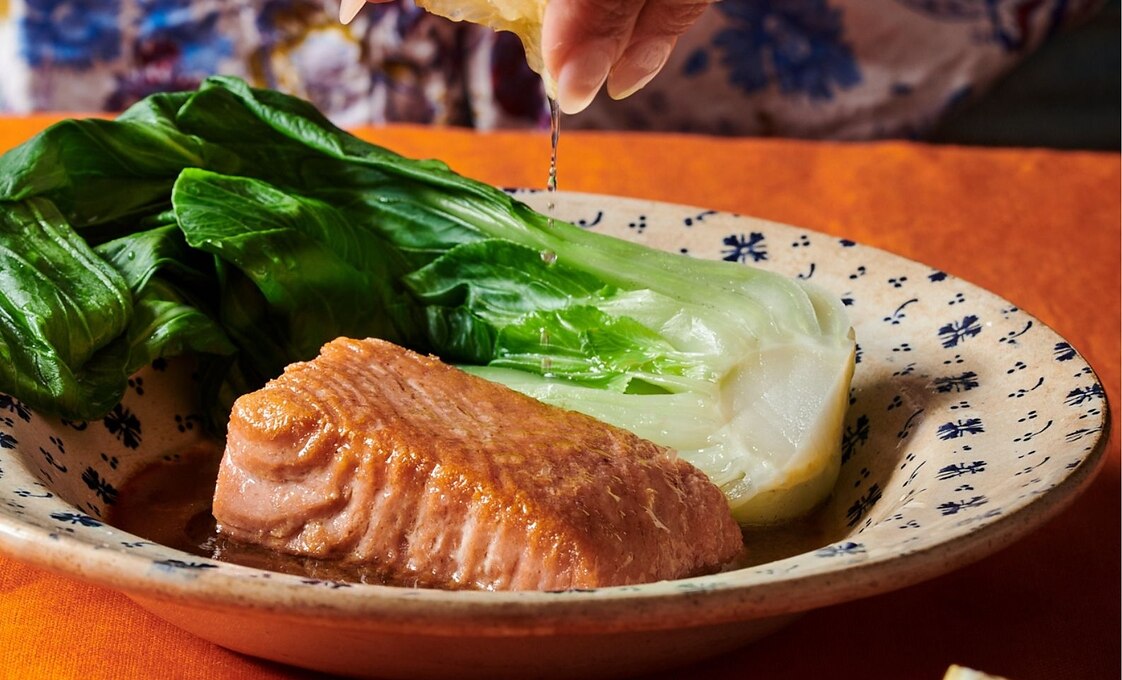
Gim is sold as dried or seasoned sheets and in other formats, including flakes that can be sprinkled on meals. Daesang uses the seaweed across several brands and says it exports gim products to roughly 50 countries. The company put 2025 sales of processed seaweed, including exports, at about US$150 million, equivalent to 200 billion South Korean won. That was an increase of about 30% from 2024 and more than three times the 2020 level, according to Daesang.
The development project addresses the supply of unprocessed gim. Daesang said climate change had made supplies less predictable. In 2025, South Korea’s Ministry of Oceans and Fisheries selected the company to take part in research on gim seed production and land-based cultivation. Daesang said the work should give it a basis for commercialization by 2029. It gave no target for how much seaweed it expects to grow on land or the share of its requirements it might eventually meet that way.
Production capacity in Indonesia and Vietnam refers to the finished gim business. Daesang sells seaweed products in Indonesia under MamaSuka and uses its Ofood brand in Vietnam. In China, where it established local production this year, it said it is expanding distribution and developing products for the market, including a lower-sodium option. It did not disclose the Chinese operation’s capacity or include it in the 1,500-metric-ton figure for the two Southeast Asian countries.
Daesang’s research center in Mokpo, in South Jeolla Province, works on raw gim analysis, cultivation and product development. For dried gim, the company uses a nine-grade system that assesses criteria including moisture, protein content, taste, texture and color. Raw material is then selected according to the finished product. They are company grades, and the update gave no target grade for gim grown in the planned land-based system.
The expansion also involves getting existing products into more supermarkets. Daesang said it secured US placement with Publix in October for Ofood Stick Gimjaban, a seasoned seaweed flake product. In New Zealand, the company said it secured listings across PAK’nSAVE’s store network for three kinds of seasoned gim made in South Korea. Daesang has not disclosed sales through either retailer or the number of US stores carrying its flakes.
Daesang said it wants to expand its range of products that can be added to everyday meals, including gimjaban and furikake for dishes such as noodles, fried rice and salads. It also plans to develop more crisp seaweed snacks. Those applications help explain why the company sorts material by properties including texture and taste. A sheet, a flake and a crunchy snack each put different demands on an ingredient even when the starting material comes from the same crop.
Food projects elsewhere are also looking at how to improve the dependability of farmed algae. The EU-funded SeaMark project recently reported gains in automated kelp seeding and tested the recovery of protein and fiber ingredients from seaweed. Daesang’s program is focused on growing a different crop and supplying an existing processed-food business. Its 2029 target sets a date for developing the system. Output, growing costs and how the resulting gim performs in Daesang’s products remain to be established.
(Main photo courtesy of Daesang)

Join Us At One Of Our Upcoming Events

If you have any questions or would like to get in touch with us, please email info@futureofproteinproduction.com

Related Stories

More News