SeaMark reports up to tenfold gains in seaweed seeding efficiency

The EU-funded SeaMark project reported that continuous cultivation lines and automated seeding improved seaweed seeding efficiency by up to tenfold compared with conventional approaches. In a results update dated November 26, the European Commission’s CORDIS service also described trials to extract food ingredients from the biomass, including separate seaweed protein and fiber powders.
• SeaMark tested offshore cultivation for several kelp species and linked automated seeding and continuous lines to efficiency gains of up to tenfold against conventional approaches.
• The project demonstrated extraction approaches designed to use less water and fewer chemicals while recovering more value from the seaweed, including protein and fiber ingredients for food.
• Oceanium’s part of the project produced separate dried fiber and protein powders, giving food formulators different materials to assess for texture, water binding and protein content.
Seeding is one of the steps that determines how much rope or other growing material a farm can put in the water. Automating the work could make it easier to prepare the volumes needed for larger offshore farms. The consortium also tested the cultivation of several kelp species and used selective breeding to improve growth performance and screen promising material more quickly.
The figure in the CORDIS update applies to seeding efficiency. The published summary gives no corresponding tenfold estimate for harvested biomass, and it does not quantify how an individual farm’s costs would change. Quantities and costs further down the chain depend on the crop that reaches shore and how efficiently a processor can turn it into ingredients.
With offshore cultivation and automated handling, “we can make better use of available ocean space and establish a competitive seaweed industry in European waters,” said Ólavur Gregersen, Co-founder and CEO of Ocean Rainforest, which coordinated SeaMark.
Onshore, project partners examined whether more than one ingredient can be recovered from the same biomass. This gives a processor the option of producing several fractions from a crop instead of designing the whole process around a single ingredient. CORDIS reported that the project’s single-step and sequential extraction approaches reduced water and chemical consumption and increased biomass utilization. The results summary did not give a single percentage saving that could be applied across the outputs.
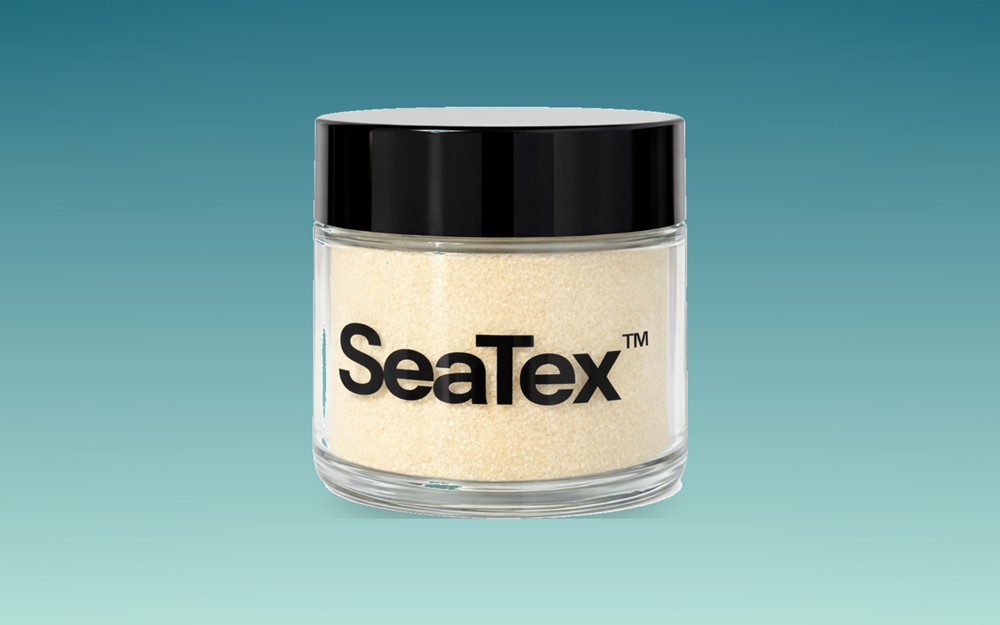
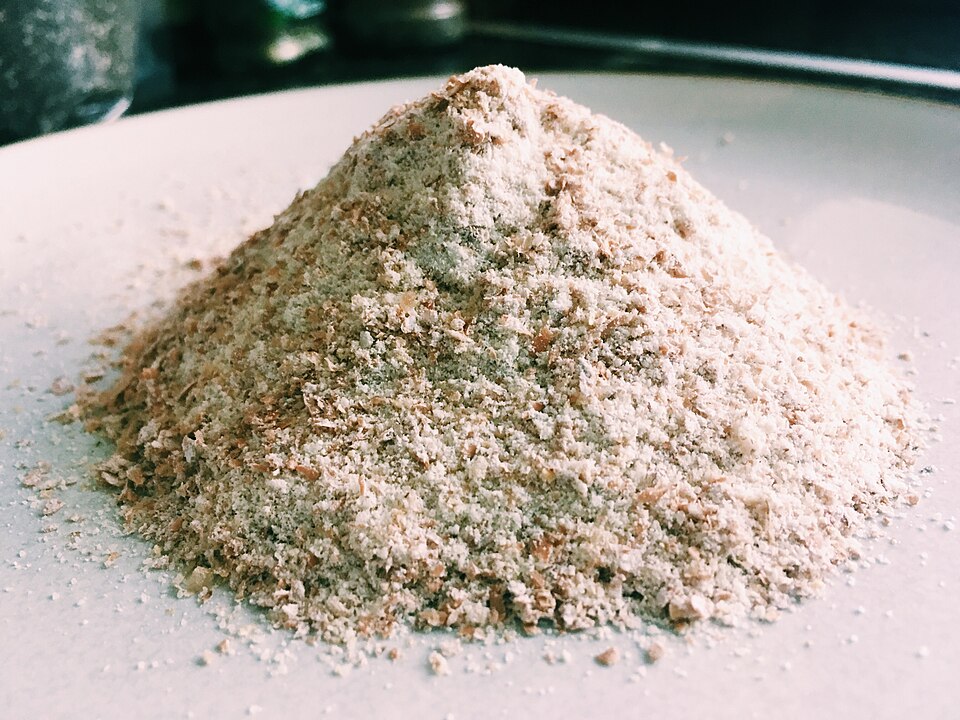
The food work includes two powders from Oceanium’s biorefinery. The company’s fiber is intended for texturizing applications in which a formulator needs water binding or gel formation. The protein is a separate ingredient. SeaMark’s product documentation distinguishes the two on regulatory readiness, reporting preliminary UK Food Standards Agency feedback on the fiber and identifying novel food authorization as a step for Oceanium’s protein. The project also identified Ulva, or sea lettuce, as a candidate for recovering protein alongside other components.
PPTI has previously reported on other attempts to move seaweed from raw material to food ingredient. BioMara and Macphie worked together to validate a seaweed fiber, while Marine Biologics developed a seaweed powder for clean-label formulation. Those are examples of ingredient developers putting specific functions at the center of their work. SeaMark adds trials in the upstream processes needed to supply the biomass.
The project ran through June 2026. The November update sets out what it demonstrated across cultivation and processing. Moving the food ingredients into wider use will depend on the economics of growing and extracting them, the applicable regulatory requirements and how each powder performs in the customer’s recipe.
Photo: Ryan Hodnett / Wikimedia Commons, CC BY-SA 4.0

Join Us At One Of Our Upcoming Events

If you have any questions or would like to get in touch with us, please email info@futureofproteinproduction.com