Europe cannot grow its way out of protein dependence

Europe wants to reduce its dependence on imported protein, but new research suggests it cannot simply grow its way out of the problem. On November 4, six speakers from across food manufacturing, alternative proteins, trade and policy will tackle that question at The Future of Protein Production Amsterdam.
Food Security, Sovereignty and Geopolitical Risk will bring together Jasmijn de Boo, Global CEO of ProVeg International; Didier Toubia, Co-founder & CEO of Aleph Farms; Zbigniew Lewicki, Chief Research, Design & Innovation Officer at Unilever; Anne Reshetnyak, Research Analyst at the Good Food Institute; John Clarke, former Director International Affairs at the European Commission and Head of the EU Delegation to the WTO; and Katrien Martens, Co-founder of The Protein Project.
They have plenty to discuss.
• The EU wants the share of oilseed and protein-crop protein produced domestically and used as animal feed to increase from 25.8% to 35% by 2035.
• New research found that even a severe interruption to soy imports would not trigger enough European legume production to replace the protein lost from overseas suppliers.
• Plant proteins, fermentation and cultivated meat could broaden Europe's production base, but resilience will also depend on feedstocks, energy, infrastructure, trade and commercial manufacturing capacity.
Europe's protein problem looks rather different depending on which numbers you choose. Overall feed-protein self-sufficiency is relatively high, helped by domestically produced grass, silage maize and other roughage. Look specifically at the concentrated high-protein feeds required by livestock, however, and a substantial dependency emerges.
The European Environment Agency estimates that the EU imports nearly two-thirds of the high-protein feed used in livestock production, much of it supplied by Brazil, Argentina and the USA. Soybean imports alone amount to around 30 million metric tons annually, mostly destined for animal feed.
That dependence is receiving more political attention. In July, the European Commission published an Action Plan for resilience, strategic autonomy and sustainability of the EU protein system. Among its targets is an increase in the share of protein from oilseeds and protein crops produced in the EU and used as animal feed, from 25.8% to 35% by 2035.
For de Boo, food security has already become an important part of the protein debate. "Food security is now a big topic too," she said. "We need to make sure countries are food sovereign, that they have the means to produce their own food and aren't too reliant on imports and volatile market disruptions."
How much can Europe grow?
A study published in Communications Sustainability on September 7 tested three routes toward greater protein resilience across the EU and UK, including an extreme scenario in which soybean and soymeal imports stopped completely. It was a stress test, not a prediction. Part of the exercise was to establish how much of the resulting deficit European agriculture could realistically replace. The answer was: not enough.
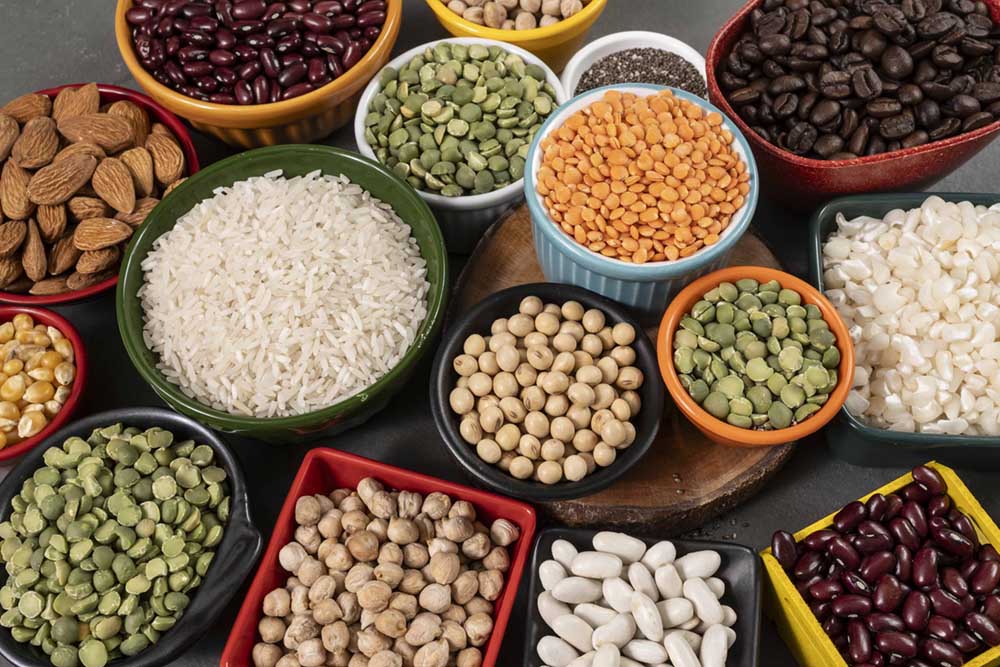
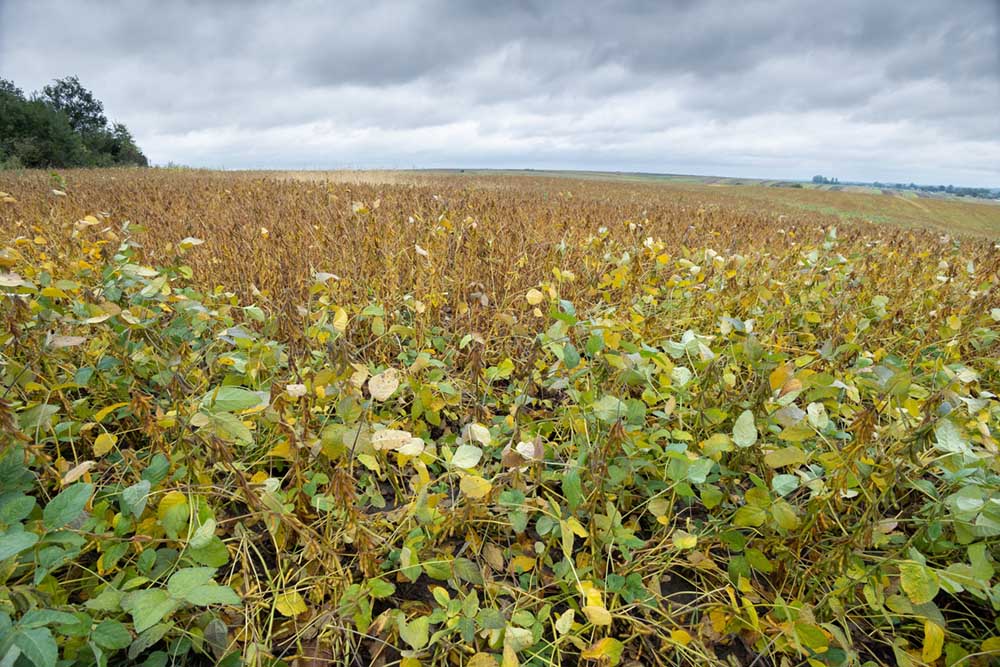
Legume production expanded substantially. Around 700,000 hectares of fallow land returned to agricultural use, while the area allocated to legumes increased from around 900,000 hectares in the baseline to approximately 2.4 million hectares.
Yet domestic production remained insufficient to replace imported soy. Soybean prices increased by around 150%, soybean use in animal feed fell by half and livestock production declined by around 3%.
The vulnerability is particularly acute for pigs and poultry, which together consume approximately 67% of the EU's high-protein feed. Unlike ruminants, they cannot obtain the same proportion of their nutritional requirements from forage.
Changing what people eat did not necessarily eliminate the dependence either. Under a separate scenario, an 11% reduction in meat-protein consumption was replaced with plant-based alternatives. Pulse imports increased by more than 100%. Europe would need less protein for livestock, but greater demand for plant protein for human consumption could create additional demand elsewhere. Replacing imported soy with European peas, beans and legumes, then, only gets Europe so far.
More ways to make protein
The EEA reached a broader conclusion in June. Its assessment did not advocate replacing European livestock farming. Instead, it described protein diversification as a gradual rebalancing of the system, involving established plant proteins alongside biomass fermentation, precision fermentation, cultivated meat and other emerging technologies.
The Commission has since put protein diversification among the priorities of its new agri-food research and innovation strategy. Published in September, the strategy also identifies industrial fermentation capacity as an area requiring further investment.
Toubia traces the need for more protein sources back to how the food system developed in the first place. "The whole food system has been optimized in the last 100 years for efficiency and maximizing output with fewer and fewer sources of food," he told Protein Production Technology International recently. "We are currently seeing a process where we go back to diversifying the food system again, with more and more sources of proteins," he said.
Those sources, he continued, include animal protein alongside mycelium, cell-based production, precision fermentation and plants. "I think that's super important to increase the resilience of the food system, to provide more choices to consumers, including less processed foods, and to ensure accessibility to nutritious and delicious food for everyone moving forward."
No single production route needs to carry the load. More of them could reduce the amount of risk concentrated around particular commodities, countries and agricultural systems.
It also gives the Amsterdam discussion a much wider remit than agricultural production alone. With Unilever's Lewicki bringing the perspective of a global food manufacturer, Reshetnyak representing the Good Food Institute and Clarke bringing experience from both the European Commission and WTO, the panel will be able to examine what diversification looks like once trade, manufacturing and commercial supply chains enter the picture.
From research to factories
Europe still has to turn those additional production routes into manufacturing capacity. The Commission acknowledges the problem in its new research strategy. Europe performs strongly in financing early innovation, it says, but sustainable food ingredients can encounter another funding gap when they reach industrial scale-up, described in the strategy as a 'second valley of death'.
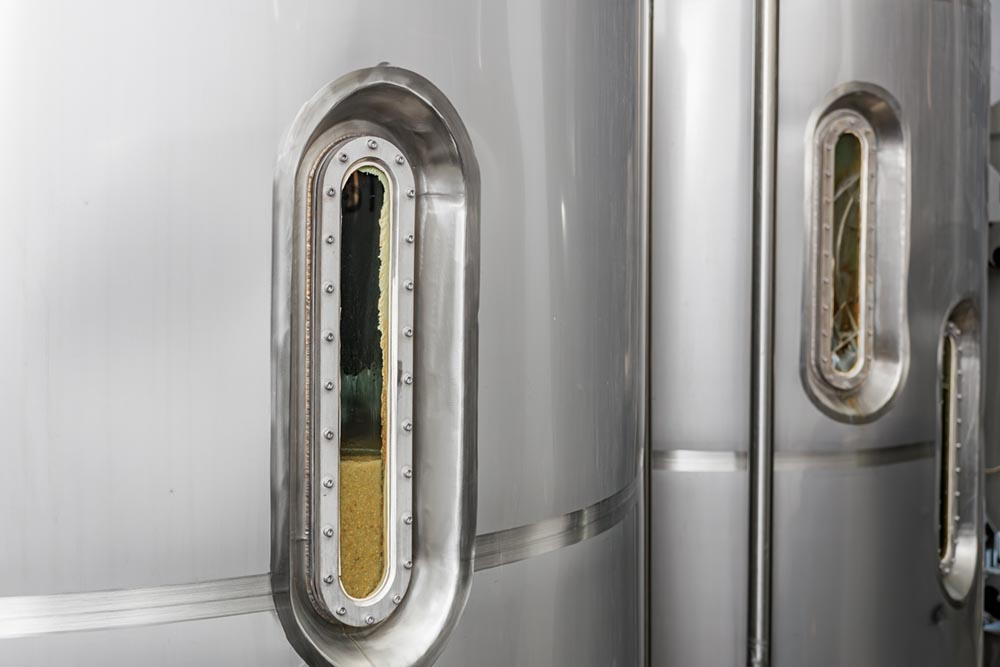
Industrial fermentation capacity is specifically identified as requiring attention. The Commission also plans to explore private investment in new and upgraded open-access infrastructure, which could allow companies to test and demonstrate processes at larger scales without first financing their own manufacturing facilities.
Some of that investment is already taking place. European alternative protein companies raised €236 million (US$274 million) in private investment during the first half of 2026, according to GFI Europe's analysis of Net Zero Insights data, 56% more than during the same period in 2025.
Fermentation accounted for much of it. Precision and biomass fermentation companies together raised €199 million (US$232 million), while several businesses have supplemented private capital with grants, loans and other public financing as they move toward larger production facilities.
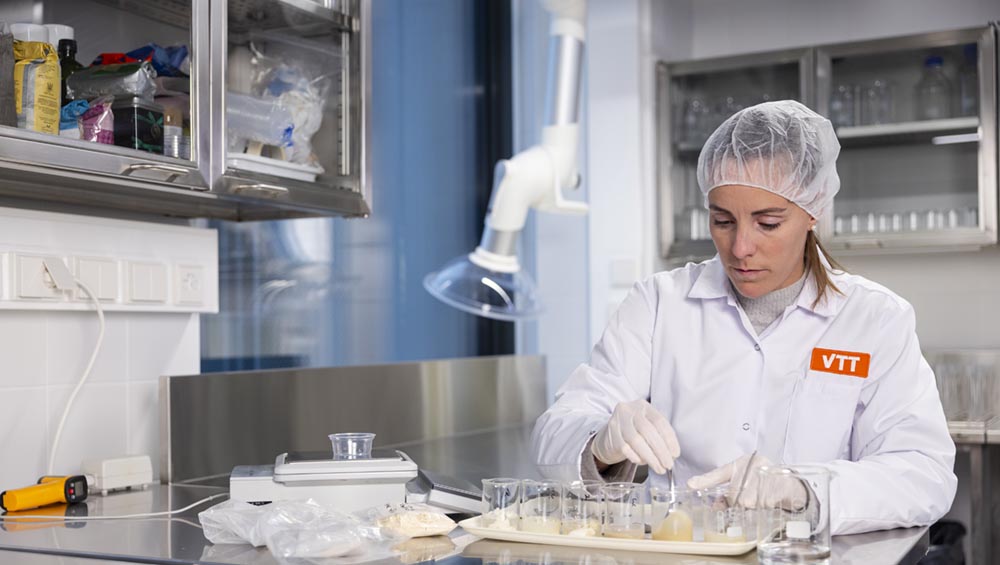
Emilia Nordlund, Research Manager at Finnish research organization VTT, put the issue more simply in an interview with PPTI earlier this year (Nordlund is also on the Advisory Board for The Future of Protein Production). "Strategic autonomy is not achieved in the lab alone. It is achieved when solutions are deployable under real-world constraints."
Nordlund argues that diversification can mean using more regional feedstocks and introducing production systems that are less exposed to climate variability, alongside more modular and decentralized manufacturing.
A factory in Europe, however, does not automatically make its output European. A fermentation plant still requires energy, equipment and nutrients, and many processes depend upon agricultural carbon sources. Plant-based production requires crops as well as fractionation and processing infrastructure. Cultivated meat brings requirements around media, energy, bioreactors and specialist manufacturing. Where the protein is made is only part of the equation.
When geopolitics reaches the business
Geopolitical risk does not stop at commodity imports. Toubia has experienced that directly at Aleph Farms. The company received regulatory clearance for its cultivated beef product in Israel in early 2024 and had intended to launch there. The continuing conflict changed those plans. "We intended to launch in Israel last year. We haven't done that because of the war in the Middle East," Toubia told Protein Production Technology International. "So it does have an impact."
Companies also need regulatory access, functioning infrastructure, finance, energy, manufacturing capacity and markets in which they can operate. A disruption to any of them can change where products are made and sold. Nor does greater resilience necessarily require complete self-sufficiency.
International trade gives countries alternative sources when domestic production is hit by drought, disease or other disruption. Reducing heavy reliance on one supplier or commodity is not the same as removing overseas supply altogether.
That question of where strategic autonomy ends and useful international dependence begins is one Clarke is particularly well placed to explore in Amsterdam, having worked on international affairs for the European Commission and represented the EU at the WTO.
The September Communications Sustainability study shows what removing imports could look like at the extreme. Eliminating soy imports encouraged much greater European production, but it also pushed up prices and reduced livestock output.
If you liked this, check these out...
How much protein production does Europe need within its own borders? Which inputs represent genuine strategic vulnerabilities? Does a fermentation plant strengthen food sovereignty if its principal feedstock is imported? Should governments treat food-production infrastructure in the same way they increasingly view other strategically important manufacturing capacity?
There is also the question of how much overseas supply Europe should retain if trade itself provides protection against disruption at home. De Boo points to China as one country already looking at new protein technologies explicitly in terms of food security. "National policy says they want to invest in 'neo-protein' for food-security and food-sovereignty reasons," she said.
Europe has already decided it wants to produce more of its own protein. The Commission has set a target for domestic production from oilseeds and protein crops, while the EEA has called for a more diverse protein supply. The Commission's latest research strategy now adds fermentation manufacturing capacity to that list.
None of those measures removes dependence altogether. Europe cannot simply grow its way out of protein imports. Eating more plant protein could change what it imports rather than end the requirement. Fermentation and cultivated meat add production routes, but they bring requirements for feedstocks, energy, equipment and manufacturing infrastructure.
That gives de Boo, Toubia, Lewicki, Reshetnyak, Clarke and Martens plenty to get into when they meet in Amsterdam. How much protein should Europe produce itself? Which dependencies genuinely leave its food system exposed? Where does international trade strengthen resilience rather than weaken it? And if Europe wants newer production technologies to form part of its future protein supply, what does it need to build now?
Protein sovereignty does not have to mean producing everything at home.
Having enough different ways to keep producing food when one of them fails may be far more useful.
Food Security, Sovereignty and Geopolitical Risk takes place at The Future of Protein Production Amsterdam, 10:15–11:00am on Wednesday, November 4, 2026, at RAI Amsterdam. Join the conversation in Amsterdam. Book your conference pass here
If you liked this, check these out...
• EU food research strategy puts fermentation scale-up and protein diversification on agenda
• Europe cannot grow its way out of protein import dependence, study finds
• Europeans warm to food innovation but appetite for cultivated meat and precision fermentation falls

Join Us At One Of Our Upcoming Events

If you have any questions or would like to get in touch with us, please email info@futureofproteinproduction.com