

FPP/CMS Chicago 2026 Speaker Exclusive: Meat, remade: Bruce Friedrich on the next agricultural revolution

As his book Meat lands and the alternative protein sector enters a more sober phase, Bruce Friedrich argues that persuasion cannot arrest meat’s global upward trajectory, demand is still rising, and only a fundamental shift in how meat is produced can square climate, food security, and scale
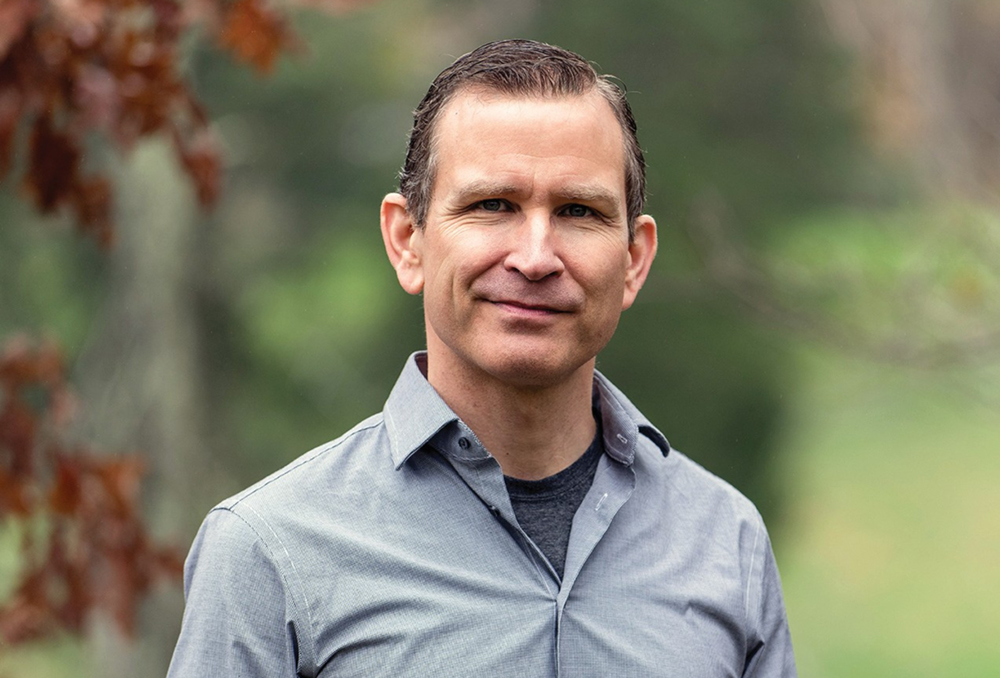
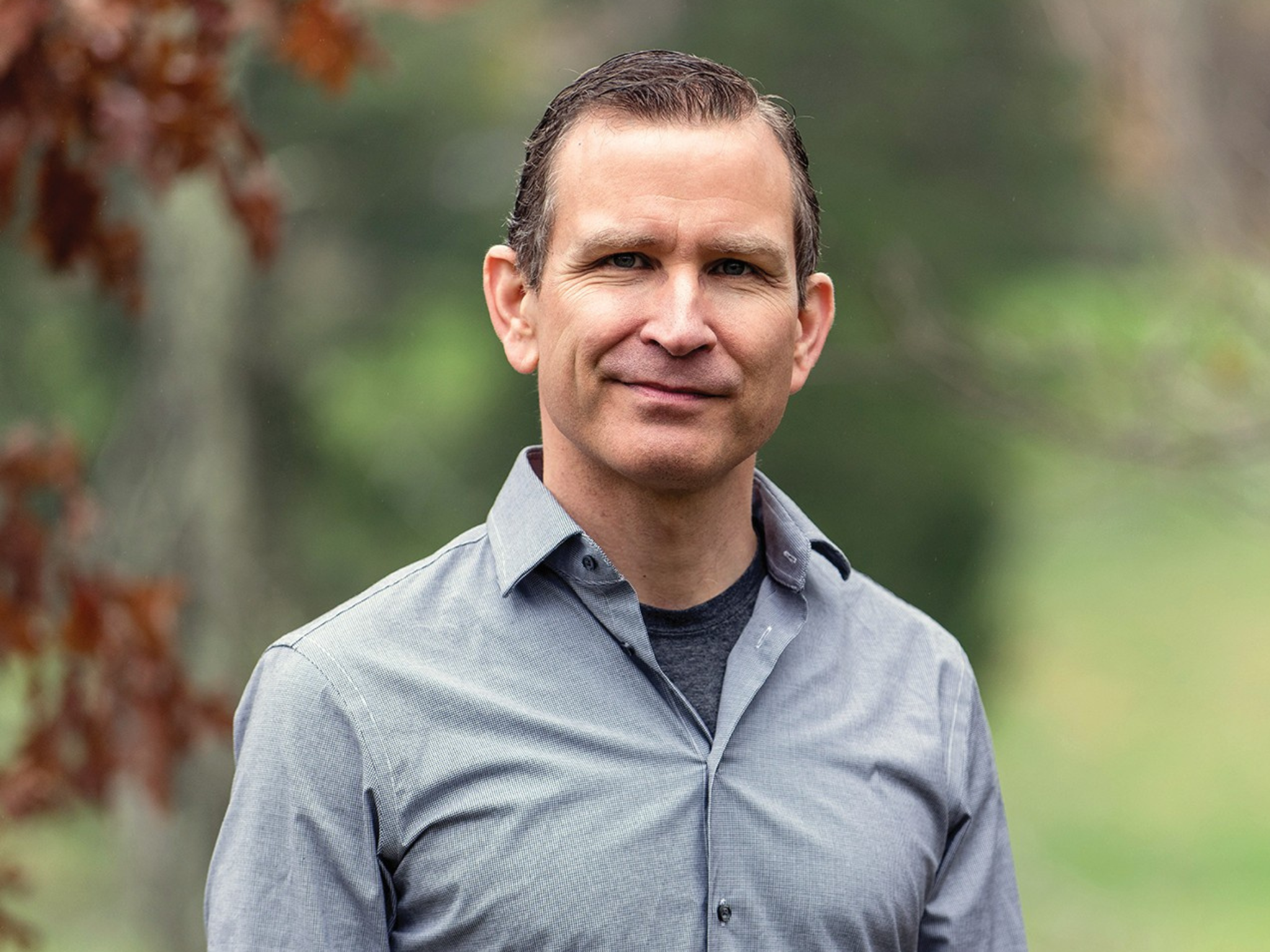
Bruce Friedrich has just come off an interview with PBS New Hour co-anchor Geoff Bennett and he is buzzing.
Not in the polite, media-trained way of someone ticking off another appearance, but visibly, almost comically energized. He talks fast. He laughs. He bounces, slightly, in his chair. His book, Meat: How the Next Agricultural Revolution Will Transform Humanity's Favorite Food – and Our Future, is finally out in the world, and the reaction so far has left him exhilarated. Years of arguments he has been making in policy rooms and academic papers are suddenly landing with a much broader audience.
That excitement matters, because Meat is not written as a victory lap. It is written as an intervention. Friedrich, the President & Founder of the Good Food Institute (GFI), has spent much of the past decade pressing the same uncomfortable point: global meat consumption keeps rising, no matter how persuasive the moral, environmental, or health arguments against it become. Speaking with Alex Crisp in a recent Future of Foods podcast interview, Friedrich says his book is his attempt to reset the conversation away from individual restraint and toward structural change.
Later this month, Friedrich is set to bring that argument to The Future of Protein Production Chicago, where he will appear as a keynote speaker on February 24-25, 2026 – his second speaking engagement since his book hit the shelves on February 3. The timing feels deliberate. The alternative protein sector has moved past its early hype into a more sober phase defined by tighter capital, tougher questions, and higher expectations. Friedrich’s optimism has survived that transition. If anything, it has sharpened.

When he talks about meat, he does not start with burgers or steaks. He starts with a curve.
Global meat consumption, he says, has been climbing for decades, and every serious forecast still points in the same direction. If you include meat and seafood, consumption has risen every single year since the UN Food and Agriculture Organization began tracking it in 1961, setting a new global record annually. Barring a widespread animal disease or global recession, that trajectory is expected to continue through at least 2050.
Despite half a century of campaigns, global meat consumption has not gone down
There have been momentary dips in land animal meat consumption, Friedrich notes – during mad cow disease, African swine fever, and COVID. But those blips do not register in the long-term trend. Include seafood, and they disappear entirely. The line keeps moving up.
That trajectory sits at the core of Friedrich’s thesis. Rising meat consumption, he argues, is not just a dietary issue. It is a systems problem, with consequences that ripple across hunger and malnutrition, climate change, biodiversity loss, antimicrobial resistance, and pandemic risk. The first chapters of Meat are devoted to laying out those externalities in detail, not as abstract concerns, but as compounding pressures on an already strained global food system.
When persuasion stops working
The obvious response for decades has been persuasion. Convince people to eat less meat. Friedrich does not dismiss that effort. He credits health, environmental, and animal welfare advocates with successfully elevating awareness of meat’s impacts. But he is blunt about the outcome. Despite more than half a century of campaigns, global meat consumption has not gone down.

That failure, he argues, mirrors other sectors where consumption continues to rise despite awareness. Energy use. Car ownership. Vehicle miles traveled. “At the end of the day,” Friedrich says, “the world is going to consume more energy. The world is going to buy more cars and drive more miles.” The most effective response has not been restraint, but replacement: renewable energy instead of fossil fuels, electric vehicles instead of internal combustion engines, and so on.
Meat as an industrial problem
His argument is that meat needs the same treatment. Plant-based and cultivated meat, he says, are not lifestyle products. They are infrastructural substitutes. “They can literally eliminate meat’s contribution to antimicrobial resistance and pandemic risk,” he says, “and they can slash meat’s contribution to hunger, malnutrition, deforestation, climate change, and the slate of other environmental harms.”
That framing helps explain why Friedrich remains optimistic even as parts of the market cool. Plant-based sales have softened. Investment in cultivated meat has slowed. Several companies have exited or retrenched. To critics, the moment looks like a correction. To Friedrich, it looks familiar.
The long road from hype to scale
He reaches for historical parallels. In the first decade of the automobile industry, hundreds of companies failed. When Henry Ford released the Model T in 1908, cars were still widely dismissed as toys for the wealthy. In the 1980s, home computers were written off as glorified bookkeeping tools. After the dot-com crash, Amazon’s stock price collapsed by more than 90%, and pundits openly mocked the idea of buying pet food online.
What these moments share, Friedrich argues, is a mismatch between early expectations and early reality. Technologies rarely arrive fully formed. They struggle, consolidate, and then, once performance and cost cross a threshold, scale rapidly. “The products improve and the prices come down once they meet consumer expectations,” he says. “That’s when they can scale – and only then.”
That threshold, he believes, is still ahead for alternative proteins. And he is clear about what is holding the sector back.
Most people, he says, are not willing to pay more for food, just as they are not willing to pay more for cars or appliances unless there is a compelling benefit. Plant-based and cultivated meat, in his view, will not move from niche to mainstream until they compete directly on price and taste.
Plant-based and cultivated meat have existed even as concepts for just about a decade. And in that decade, we have made deeply encouraging progress

In the meantime, early adopters are carrying the category. Cultivated meat is appearing in restaurants across the USA and in markets such as Singapore and Australia. It remains expensive, but novelty and curiosity are enough for some consumers to engage. On the plant-based side, Friedrich argues the product landscape has improved materially. A small number of products now match animal meat closely enough that many meat-eaters enjoy them as much, or more.
One problem, he believes, is history. Most consumers remember plant-based meats that were designed for vegetarians, not for meat-eaters. Veggie burgers, veggie dogs, veggie nuggets. “They sucked,” Friedrich says, without hesitation. “They were veggie first, and burger in shape only.” That legacy still shapes perception. People assume the next generation will be the same as the last.
Polling, however, suggests reason for optimism. Friedrich points to repeated consumer surveys showing strong interest in both plant-based and cultivated meat, even when respondents are presented with terms like ’lab-grown’. When skeptics are asked whether they would eat cultivated meat if it tasted the same and cost the same as conventional meat, many still say no, then explain why by rejecting the premise: they assume it will waste worse and cost more.
To Friedrich, that contradiction is telling. “Human beings have a really hard time imagining a future state that’s different from the current state,” he says. The barrier is not ideological opposition. It is experiential memory.
This is why he pushes the industry to aim higher than parity. Matching conventional meat, he argues, is not the end goal. Surpassing it is. He credits Pat Brown (Impossible Foods) with a simple but destabilizing observation: the animals we eat are not the tastiest animals on Earth. They are the easiest to domesticate. Conventional meat, in other words, is a historical artifact, not a culinary pinnacle.
With plant-based and cultivated meat, Friedrich sees no such ceiling. Flavor, texture, nutrition, and safety can all be optimized. In the same way electric vehicles are now outperforming gas-powered cars on acceleration and maintenance, alternative proteins can become better than the products they replace, not just in terms of things like bacterial contamination and environmental impact – they can also taste better and be more nutritious.
Governments, security, and the food system
Governments, he notes, are increasingly viewing the sector through that lens: not as a cultural experiment, but as a strategic investment. Seven years ago, he says, governments that invested heavily in biotechnology, agriculture, or life sciences were not funding alternative proteins at all. Today, they are.
The early movers were small, technologically advanced countries with acute food security concerns. Singapore and Israel import a significant majority of their food and face structural limits on domestic production. Alternative proteins offer a way to increase food self-sufficiency without expanding land use.
China, Friedrich states, now represents the most significant shift. As incomes rise, meat consumption has surged, driving massive imports of feed crops and animal products. Food self-sufficiency is moving in the wrong direction. President Xi has explicitly linked food security to innovation, and China is investing accordingly.
In the USA, the logic is broader but no less urgent. Alternative proteins intersect with supply chain resilience, national security, industrial competitiveness, and jobs. Friedrich points to analysis from the Center for Strategic and International Studies highlighting the fragility of conventional meat supply chains. The inefficiency of turning crops into animals multiplies processing steps, transport requirements, and points of failure and vulnerability.
Condensing that system, he argues, makes it more resilient and less vulnerable to shocks, including disease outbreaks and agro-terrorism. It also raises a geopolitical question the USA has faced before: who controls the next major industrial platform? Solar panels, EVs, and batteries offer recent cautionary examples.
The author of Meat’s foreword underscores the seriousness of the national security argument for alternative protiens: CSIS’s global food and water security director, Caitlin Welsh served in both Republican and Democratic administrations, at the State Department and National Security Council.
Why inevitability matters more than belief
Climate, however, remains the sharpest edge of Friedrich’s argument. Food systems entered the COP agenda late, and unevenly. Energy transition has dominated climate policy for decades. But the math, he says, no longer allows food to remain peripheral.
Even optimistic estimates of livestock mitigation measures are overwhelmed by projected growth in meat production. Without reducing conventional meat consumption, climate targets are unattainable. And Friedrich argues convincingly that the only scalable mechanism for reducing meat consumption is substitution. “I’m a fan of educating consumers about the various harms of conventional meat production,” he says, “but I don’t see any evidence that we might convince billions of people to change their behavior.”
One figure he returns to is deliberately provocative. At roughly 15% global adoption, alternative proteins deliver climate mitigation benefits comparable to a full global transition to electric passenger vehicles. That estimate does not include land-use benefits, including deforestation avoidance. It also does not include reductions in antimicrobial resistance and pandemic risk.
From Friedrich’s perspective, alternative proteins are not competing with energy transition for attention. They are complementary. The world needs both.
GFI’s role, he says, is to build the scientific ecosystem required to make that substitution viable. The organization now operates across the USA, India, Israel, Brazil, Asia Pacific, and Europe, with a workforce dominated by scientists. Its strategy centers on public funding for research and scale-up, and on treating alternative proteins as national security and bioeconomy priorities.
The world has been making meat in the same way for 12,000 years. It’s shockingly inefficient, and that creates a multi-trillion dollar incentive for innovation
GFI is a nonprofit organization, so philanthropy funds the organization’s work, but Friedrich emphasizes metrics over mission statements. From the start, he says, GFI has focused on measurable impact, adjusting its approach based on evidence rather than ideology.
That pragmatism extends to his view of other food system solutions. Regenerative agriculture, he says, delivers real benefits for soil health, water quality, biodiversity, and farmer livelihoods. But analyses from the World Resources Institute and others suggest it requires more land and can increase emissions when applied to animal agriculture. The solution, in his view, is not choosing one approach over another, but reducing land pressure overall.
Alternative proteins, by dramatically lowering land requirements, make it easier to deploy regenerative practices where they deliver the most value. Modeling in Europe from the environmental think tank Green Alliance suggests shifts toward alternative proteins could significantly expand regenerative agriculture and allow countries that are importing a lot of food to reach food self-sufficiency.
Friedrich does not pretend the outcome is guaranteed. Technologies can stall. Political will can fade. Progress is not automatic. “This could still fail,” he says quite plainly.
But the case he makes, in his book and that he will make on the stage in Chicago, is not rooted in optimism alone. It is rooted in incentives. Improve the products. Lower the cost. Fund the science. Align national interests. If those pieces fall into place, he believes the transition will not feel like a revolution at all.
It will feel inevitable, much like the rise of the modern auto industry, internet commerce, smartphones, home computers, and other technologies that moved from skepticism to ubiquity in the space of just a few decades.
More than 100 speakers will be taking to the stage at The Future of Protein Production/Cultured Meat Symposium on 24/25 February 2026. To join them and more than 400 other attendees, book your conference ticket today and use the code, 'PPTI10', for an extra 10% discount on the current rate. Click here. If you just want to walk the exhibition floor, meet the experts and network with the delegates, book your free pass here

Join Us At One Of Our Upcoming Events

If you have any questions or would like to get in touch with us, please email info@futureofproteinproduction.com


