

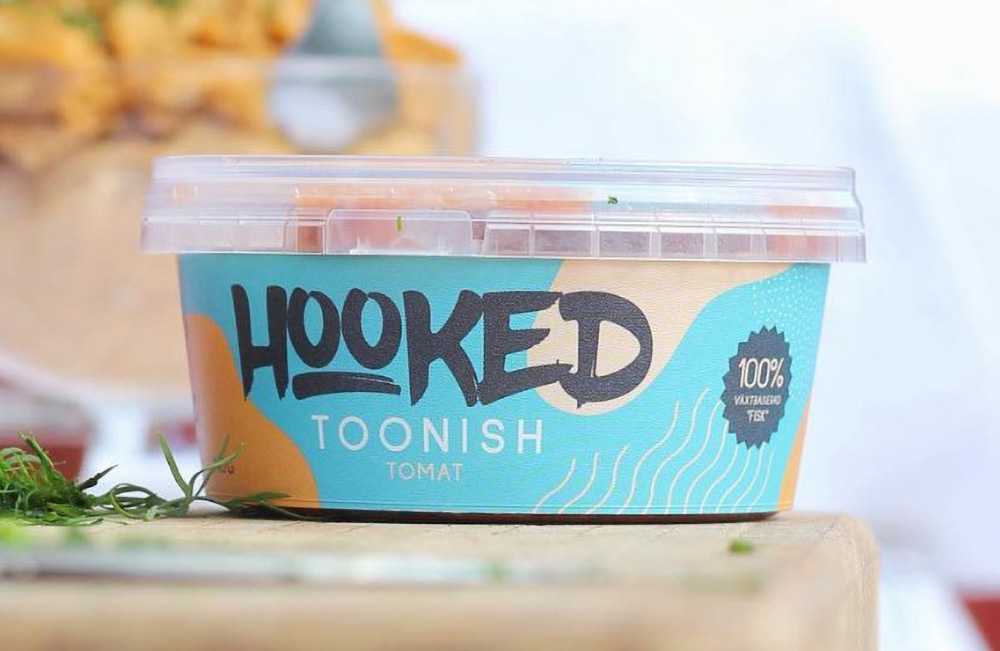
Hooked Foods files for bankruptcy after seven-year push to crack plant-based seafood

Hooked Foods filed for bankruptcy on 15 January 2026, bringing an end to a seven-year effort to build a scalable plant-based alternative to fish and other animal proteins. The Stockholm-based startup had raised more than US$6 million in equity, loans, and grants, developed multiple product lines, and secured listings with major retailers in Sweden and Germany, but ultimately failed to achieve financial sustainability.
Tom Johansson, Founder & CEO, confirmed the outcome in public statements and a LinkedIn post published the same day, describing the decision as difficult but inevitable given the company’s financial position and market conditions.
• Hooked Foods filed for bankruptcy on January 15, 2026, after seven years operating in plant-based seafood and alternative proteins.
• The company raised more than US$6 million and secured retail listings in Sweden and Germany but reported low revenue and continued losses.
• Founder Tom Johansson cited weak market response, tight margins, and limited control over the value chain as key challenges.
“After seven years of devoting myself to Hooked Foods, we are closing down and I am now officially taking my journey to the next step,” Johansson wrote.
Founded when Johansson was 25, Hooked Foods set out to offer plant-based alternatives to fish, alongside a broader range of alternative protein products. The company emerged during a period of strong enthusiasm for plant-based innovation in Europe, particularly in seafood analogs, and initially gained traction with retailers and impact-focused investors.
Despite that momentum, financial performance remained under pressure. According to Swedish business outlet Breakit, Hooked Foods generated revenue of SEK 1.4 million in its most recent financial year, equivalent to around US$130,000, while recording a loss of SEK 6.2 million, or roughly US$580,000.
Johansson acknowledged that even as product quality improved, commercial traction failed to follow. “We have the best products we’ve ever had, but unfortunately the market hasn’t responded,” he told Breakit.
The company had continued to raise capital in an effort to stabilize operations. In March 2025, Hooked Foods secured SEK 8.4 million, around US$800,000, through a combination of equity financing, loans, and grants. The funding was earmarked for new product launches, efficiency improvements, and the integration of AI across logistics, marketing, and sales.
At the time, Johansson said the company had reduced production costs, improved margins, and was preparing to launch new products including Vegobitar Original, Vegobitar Kebab, Vegobitar Seafood Flavors, and Vegofilé Original, each designed to deliver more than 20g of protein per 100g.
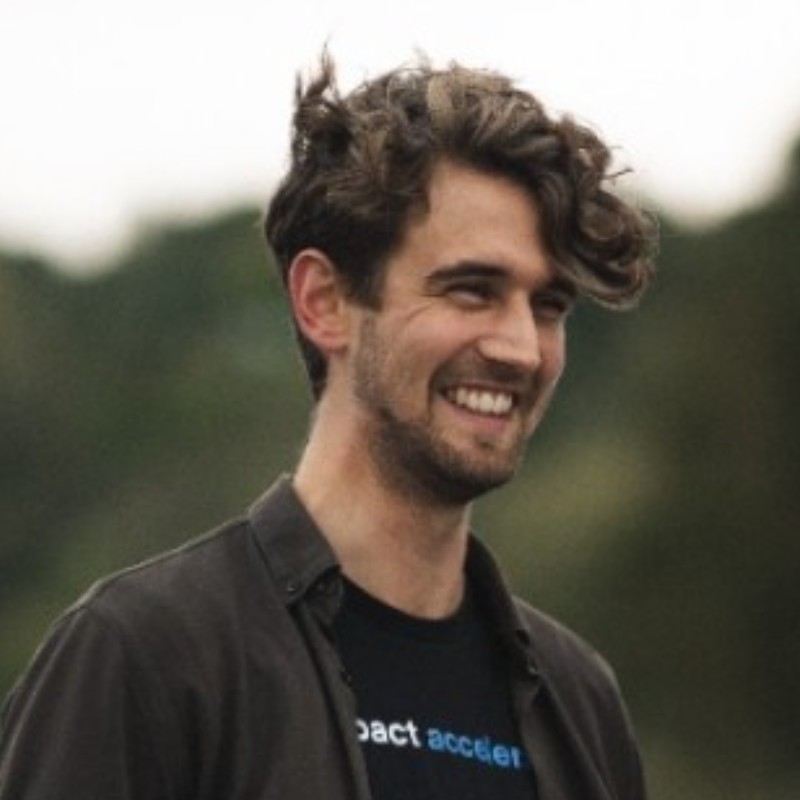
“With this funding round, we are taking a decisive step forward in our growth journey,” Johansson said in March 2025. “Investments in AI are crucial to scaling quickly and cost-effectively to meet the growing demand for healthy, sustainable, and delicious plant-based products.”
Just weeks later, in April 2025, Hooked Foods also secured €221,375, around US$239,500, from EIT Food’s Fast Track to Market Initiative. The funding supported the commercialization of The Super Protein, a versatile plant-based product delivering 30 to 35g of protein per 100g and designed for use across a wide range of meals.
Despite these efforts, the company continued to face structural challenges. Johansson said Hooked Foods had contacted nearly 100 investors before successfully raising SEK 4.2 million, around US$390,000, in an earlier financing round, at a point when cash reserves were close to running out. “Our cash was about to dry up and there was an overhanging risk of bankruptcy,” he said at the time.
Operational setbacks compounded the pressure. Hooked Foods attempted a pivot away from seafood alone, expanding into plant-based kebab, mince, and protein pieces. However, a manufacturing partner in Portugal entered bankruptcy, while a newly appointed distributor in Germany indicated it would shut down operations, further disrupting supply and sales.
Johansson pointed to the economics of the category as a core issue. “It’s a difficult business model,” he said. “We can’t move production fast enough, and margins are quickly eaten up by retailers.”
Hooked Foods counted Brightly Ventures, Oysterbay VC, Mentimeter co-founder Johnny Warström, and artist Danny Saucedo among its investors, and also participated in Katapult’s impact accelerator. At its peak, the company employed more than 20 people and reached hundreds of thousands of consumers through retail distribution.
Johansson said the experience had been formative, but not without mistakes. “I have also made multiple mistakes since I founded and lead this company at 25 years of age, and I will carry those hard-earned learnings with me forever,” he wrote.
He did not disclose whether Hooked Foods’ products or intellectual property would be acquired or continued under another entity. Instead, he focused on what comes next, saying he intended to start a new company and remain active in the technology sector.
“I will probably start a new company, I am still young,” Johansson said. “It will likely be something within retail, where I have long experience.”
Reflecting on the journey, he added that future ventures would take a different approach. “We tried to build something big very quickly,” he said. “I take with me the need to manage risk better and to find a business model where we can control the entire value chain.”
While Hooked Foods’ bankruptcy marked the end of the company, Johansson framed it as a transition rather than a failure, closing his announcement with a brief note of momentum: “Onwards.”

Join Us At One Of Our Upcoming Events

If you have any questions or would like to get in touch with us, please email info@futureofproteinproduction.com


