

Illinois lays out bid to lead alternative proteins and biomanufacturing with landmark state roadmap

Illinois set out an ambitious vision to become a national and global leader in alternative proteins and biomanufacturing with the release of a new state-backed roadmap, positioning the sector as a pillar of future economic growth, food security, and agricultural resilience.
The Illinois Alternative Protein Innovation Task Force published its final report on 15 December, outlining how targeted investment and policy support could strengthen the state’s role in plant-based, fermentation-derived, and cultivated protein production. Established in 2023 by Governor JB Pritzker, the task force was the first of its kind in the USA and was charged with identifying how Illinois could capitalize on its agricultural, research, and manufacturing strengths to lead the next era of food innovation.
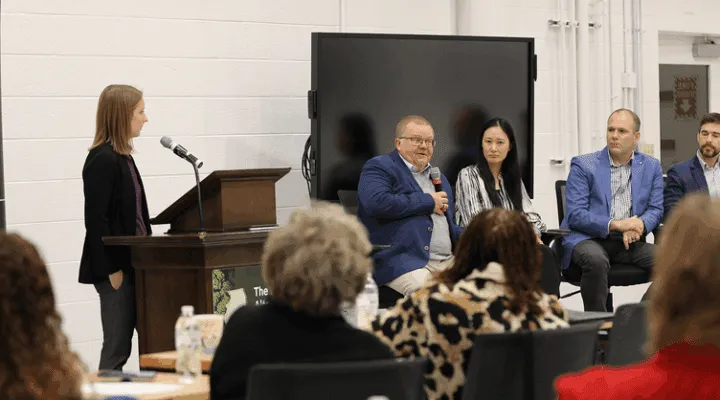
The findings were unveiled at an event at the University of Illinois Urbana-Champaign by task force co-chairs State Senator Mattie Hunter and State Representative Mary Beth Canty, alongside researchers, scientists, and representatives from across the food and agriculture value chain.
“As residents are facing rising grocery costs or worrying about where their next meal is coming from, it was imperative that my colleagues and I explored new options and industries that provide viable, long-term solutions to food insecurity and supply chain disruptions,” said Hunter. “I am honored to have been part of the Alternative Protein Task Force, and look forward to continuing discussions about how we can bolster this industry in Illinois with my colleagues.”
The report framed alternative proteins not as a replacement for Illinois’ livestock and meat sectors, but as a complementary opportunity that could diversify markets for farmers while reinforcing the state’s food system. According to the task force, supporting alternative proteins could open new demand for Illinois-grown corn, soy, and wheat, create high-quality jobs across both rural and urban communities, and strengthen Illinois’ leadership in advanced food manufacturing.
Illinois already hosts more than 30 companies producing alternative protein products, ranking it among the top three hubs nationwide behind California and New York. The task force highlighted this existing ecosystem, alongside the state’s concentration of world-class universities, agricultural research, and manufacturing infrastructure, as a foundation for further growth.
“Representing a district in the greater Chicago area, I’ve seen firsthand how quickly Illinois’ food innovation ecosystem is growing,” said Canty. “Companies are choosing our great state to create good, high-paying jobs in our communities, partner with our universities, and work directly with farmers across Illinois.”
She added that the report’s recommendations offered a clear pathway to accelerate that momentum. “The Task Force’s recommendations give us a clear path to accelerate that momentum, strengthening our manufacturing base, opening new markets for Illinois crops, and positioning us as a national leader in alternative protein production,” Canty said.
Among its core conclusions, the task force emphasized the need to expand access to capital, strengthen research and development, build a specialized workforce, grow market demand, and ensure a supportive regulatory environment. It also identified fermentation-derived proteins as a particularly strong opportunity for Illinois, noting projections that the global fermentation-based protein market could reach US$150 billion annually by 2050.
Food security and public health featured prominently in the report. The task force argued that expanding local alternative protein production could reduce reliance on vulnerable global supply chains and help ensure year-round access to nutritious food, even during disruptions caused by animal disease outbreaks or geopolitical shocks.
“Expanding alternative protein production in Illinois is ultimately an investment in public health and food security,” said Elvira de Mejía, Professor of Food Science at the University of Illinois Urbana-Champaign. “These products offer nutritious, accessible options that can help families meet their dietary needs while reducing pressures on our food system.”
The sustainability case was also central. The report pointed to the potential for emerging protein technologies to use land, water, and energy more efficiently, supporting Illinois’ goal of reaching net-zero emissions by 2050. It also highlighted opportunities to develop circular economy models, such as valorizing sidestreams from fermentation and processing to boost farm revenues and resource efficiency.
“Illinois has every ingredient needed to lead the future of food,” said Beth Conerty, Associate Director of Business Development at the Integrated Bioprocessing Research Laboratory and Regional Innovation Officer for the iFAB Tech Hub. “This report shows how expanding our alternative protein capacity can complement our existing food and agriculture sectors, open new markets for Illinois-grown corn, soy, and wheat, and generate high-quality jobs.”
National advocates also welcomed the roadmap. Pepin Andrew Tuma, Vice President of Policy and Government Relations at The Good Food Institute, said Illinois was emerging as a model for how states could approach food system transformation.
“Alternative proteins are one of the most powerful tools we have to strengthen America’s food security, expand opportunities, and promote both local and national economic resilience,” Tuma said. “Illinois has identified bold, wise, and practical steps to advance the next generation of food innovation.”
The task force’s recommendations dovetailed with broader state initiatives such as the Illinois Fermentation and Agriculture Biomanufacturing Tech Hub, which aims to establish the region as a global center for precision fermentation and biomanufacturing. The hub is expected to leverage Illinois’ dense network of research institutions, agricultural feedstocks, and transportation infrastructure to accelerate lab-to-manufacturing scale-up.
While the report stopped short of mandating specific funding commitments, it laid out a strategic blueprint intended to guide future public-private investment and policy decisions. Task force members framed it as a starting point rather than an endpoint.
With competition intensifying between states to attract food and biotech manufacturing, Illinois’ roadmap signaled a clear intent to anchor alternative proteins within its broader agricultural and industrial identity. The challenge now, the task force acknowledged, will be translating strategic alignment into sustained investment, workforce development, and commercial-scale manufacturing that delivers economic and societal returns across the state.

Join Us At One Of Our Upcoming Events

If you have any questions or would like to get in touch with us, please email info@futureofproteinproduction.com


%20-%20Photo%20Credit%20Matt%20Qu%C3%A9r%C3%A9e.jpg)
