JBS launches cultivated protein R&D center in Brazil with US$37 million investment

JBS has inaugurated a new biotechnology research center in Florianópolis, Brazil, dedicated to developing cultivated protein ingredients, as the global meat company expands its footprint in next-generation nutrition.
• JBS has opened a US$37 million cultivated protein R&D center in Florianópolis, part of a broader US$100 million investment into the sector.
• The facility has included more than 20 laboratories across 4,000 square meters, covering research through to industrial scale development.
• The company has focused on producing functional and bioactive protein ingredients for supplements such as shakes and cereal bars.
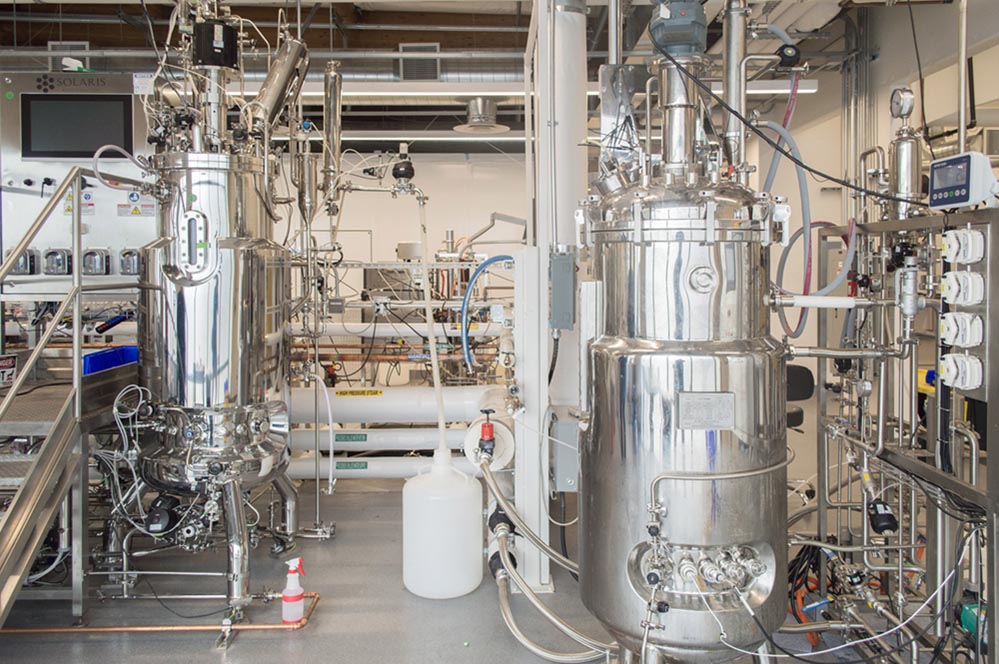
The facility, operated under the company’s JBS Biotech division, has been designed to cover the full value chain, from early-stage research through to industrial-scale applications. Located within the Sapiens Parque innovation hub, the site has housed more than 20 laboratories across 4,000 square meters.
JBS has focused the center on developing what it described as 'superproteins', targeting functional and bioactive ingredients rather than finished food products. These proteins are expected to be used in applications such as shakes, cereal bars, and other products within the company’s existing portfolio.
Gilberto Tomazoni, CEO of JBS, linked the investment to a broader shift in global consumption. “I have been emphasizing for some time that demand for protein is not a cycle, but a structural transformation, evolving in quality, functionality, and nutritional precision,” he said.
He added that the new facility was designed to translate that shift into scalable capabilities. “The inauguration of JBS Biotech in Santa Catarina is directly connected to this view. The new biotechnology center expands our ability to develop science applied to the food chain and accelerates the transformation of research into industrial application.”
The investment in Florianópolis formed part of a wider US$100 million commitment announced four years earlier, marking JBS’s entry into the cultivated protein space. Of that total, US$37 million has been allocated to the Brazilian research hub, while the remainder has supported the development of BioTech Foods’ cultivated protein production facility in Spain, where JBS is the majority shareholder.

Fernanda Berti, a chemical engineer with a postdoctoral background from the European Institute of Excellence in Tissue Engineering and Regenerative Medicine, has led the new division. She said the center’s work has centered on technological development rather than consumer-facing products.
“We are entering a new frontier, where it is possible to understand the potential of protein-based foods at the molecular level and develop solutions with tailored nutritional and functional characteristics for different consumer needs,” Berti said.
Tomazoni said the unit has been focused on building a pipeline of new ingredients rather than finished products. “The unit works on developing functional proteins and new ingredients with potential use across different categories,” he said. “We are also advancing the development of so-called ‘superproteins,’ produced through biotechnology, with applications ranging from supplements to everyday foods.”
The focus on molecular-level design has aligned with JBS’s ambition to create proteins with specific functional attributes, including improved nutritional profiles and performance in formulated foods. Rather than replicating conventional meat products, the company has targeted ingredient innovation that could be integrated across a range of categories.
Tomazoni said the strategy has been shaped by evolving consumer preferences, particularly around health and longevity. “Now we have the [weight-loss] injections, a medical technology that has been changing consumer behavior. This is a group seeking advanced precision nutrition,” he said.
The company has viewed cultivated protein as one pathway to address that demand, particularly in the growing global market for protein supplements. According to Grand View Research, the sector generated US$30 billion in 2025 and is projected to reach US$63 billion by 2033, expanding at an average annual rate of 10.3% between 2026 and 2033.
JBS’s approach has diverged from some competitors by prioritizing ingredient functionality over direct meat alternatives. The Florianópolis center has focused on developing proteins derived from cells similar to animal muscle tissue, but intended for use as components within broader formulations rather than standalone products.
The research infrastructure has been set up to accelerate proof-of-concept work and support the transition toward scalable production. By integrating laboratory research with process development, the company has aimed to shorten the timeline between discovery and commercialization.
Tomazoni said the company’s ambition has been to bridge scientific capability with industrial execution. “Our focus is to connect science, scale, and execution to keep up with evolving consumption and expand the role of protein in nutrition,” he said.
The Florianópolis site has also reinforced Brazil’s role within JBS’s global innovation strategy. While the company has continued to invest internationally, including in Spain through BioTech Foods, the new center has anchored a significant portion of its biotechnology research capabilities in its home market.
With the facility now operational, JBS has signaled its intent to build out a pipeline of functional protein ingredients that could be deployed across multiple product categories, linking biotechnology development with large-scale food manufacturing.

Join Us At One Of Our Upcoming Events

If you have any questions or would like to get in touch with us, please email info@futureofproteinproduction.com