UC Davis and California Cultured scale up cell-cultured chocolate as cocoa crisis deepens

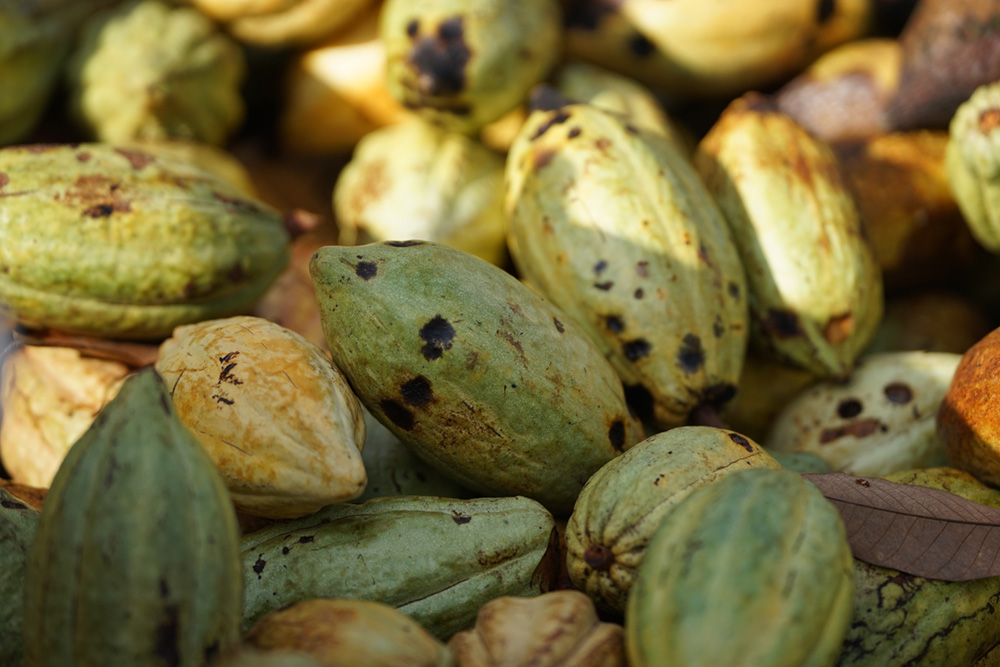
Researchers at the University of California, Davis, have partnered with food-tech company California Cultured to scale production of cell-cultured chocolate, as climate pressures and supply instability continue to threaten global cocoa production.
• UC Davis researchers partnered with California Cultured to optimize bioreactors for cell-cultured cocoa production.
• California Cultured reported proof of concept for growing cacao cell cultures in 1600-liter bioreactors.
• The company anticipated commercial cocoa powder production beginning in early 2027 following its first purchase order from a chocolate company.
The Sacramento-based company has been developing chocolate directly from plant cells rather than conventionally farmed cacao beans, using plant cell suspension culture technology inside bioreactors.
The project has received funding support from the National Science Foundation and BioMADE, with researchers Karen McDonald, Somen Nandi, David Block, Harishankar Manikantan, Boon-Ling Yeo, and Juliana de Moura-Bell working alongside California Cultured to improve prototype bioreactor designs and reduce production costs.
The work comes as cocoa supply chains face mounting disruption. Climate-related heat, irregular rainfall, drought, and flooding have already contributed to severe crop failures in Ivory Coast, the world’s largest cocoa-producing country. A 2025 study projected that up to 50% of current cocoa-growing regions in Ivory Coast could become unsuitable for cacao cultivation by 2060 because of changing temperature and rainfall patterns.
At the same time, chocolate demand has continued to rise. According to a 2024 report from the National Confectioners Association, 65% of US consumers consumed chocolate as an affordable treat, contributing to US$21.4 billion in confectionery sales. US chocolate sales are projected to reach US$37.6 billion by 2029.
California Cultured believed plant-cell-derived cocoa could eventually provide an alternative route to chocolate production without some of the environmental and supply-chain issues associated with conventional cacao farming.
Steve Lang, vice president of science and technology at California Cultured, said chocolate produced in bioreactors could one day compete with traditionally grown cocoa while avoiding deforestation, child labor concerns, and climate vulnerability.
The company has focused on plant cell suspension culture, a branch of cellular agriculture distinct from cultivated meat and precision fermentation. The process uses dedifferentiated plant cells grown in liquid nutrient media containing sucrose, salts, vitamins, and plant hormones.
Unlike traditional crops, the cells do not require sunlight and are cultivated in controlled sterile environments, reducing exposure to pests, drought, heavy metals, and other agricultural risks.
Last year, Karen McDonald, distinguished professor emerita in the Department of Chemical Engineering at UC Davis, described plant cell culture technology as one of the most versatile production platforms emerging within cellular agriculture during a talk hosted by the Integrative Center for Alternative Meat and Protein.
The technology can be used to produce edible plant cells including chocolate, coffee, berries, and walnut embryos, as well as pigments, flavors, sweeteners, and proteins chemically identical to their conventionally grown counterparts.
“They're maintained using plant growth-regulating hormones,” McDonald explained.
Researchers said controlled cultivation also reduced agricultural inefficiencies because the process only generated the edible biomass required, rather than producing unused stems, roots, or leaves.
Despite the promise of the technology, researchers acknowledged several technical and economic hurdles remain before large-scale commercialization becomes viable.
Traditional bioreactors remain expensive to purchase and operate for food applications, prompting California Cultured to develop lower-cost systems specifically designed for plant cell cultivation. UC Davis researchers have been supporting validation of those prototype systems while also studying cleaning procedures, sterilization methods, and broader commercial feasibility.
Recent work by California Cultured demonstrated proof of concept for growing Theobroma cacao cell cultures in novel large-scale 1600-liter bioreactors.
Researchers have also been working on food-safe growth media, improving strain productivity, and studying the nutritional and sensory characteristics of cultured plant cells.
Lang said California Cultured anticipated commercial cocoa powder production beginning in early 2027 following receipt of its first purchase order from a chocolate company.
The broader category of plant-cell-derived foods has attracted growing interest as companies search for alternatives to increasingly volatile agricultural supply chains. While cultivated meat and fermentation-derived proteins have dominated much of the conversation around cellular agriculture, plant cell culture technologies have increasingly gained attention for their ability to replicate high-value crops and ingredients with potentially lower environmental exposure.
For cocoa specifically, the approach could offer manufacturers a way to stabilize supply and pricing amid ongoing uncertainty across traditional cacao-growing regions.
Whether consumers ultimately accept chocolate produced from plant cells at scale remains an open question, but researchers involved in the project believed the technology had moved beyond laboratory novelty and into early industrial development.

Join Us At One Of Our Upcoming Events

If you have any questions or would like to get in touch with us, please email info@futureofproteinproduction.com