Joes Future Food brings cultivated pork to 2,000-liter scale in China pilot plant milestone

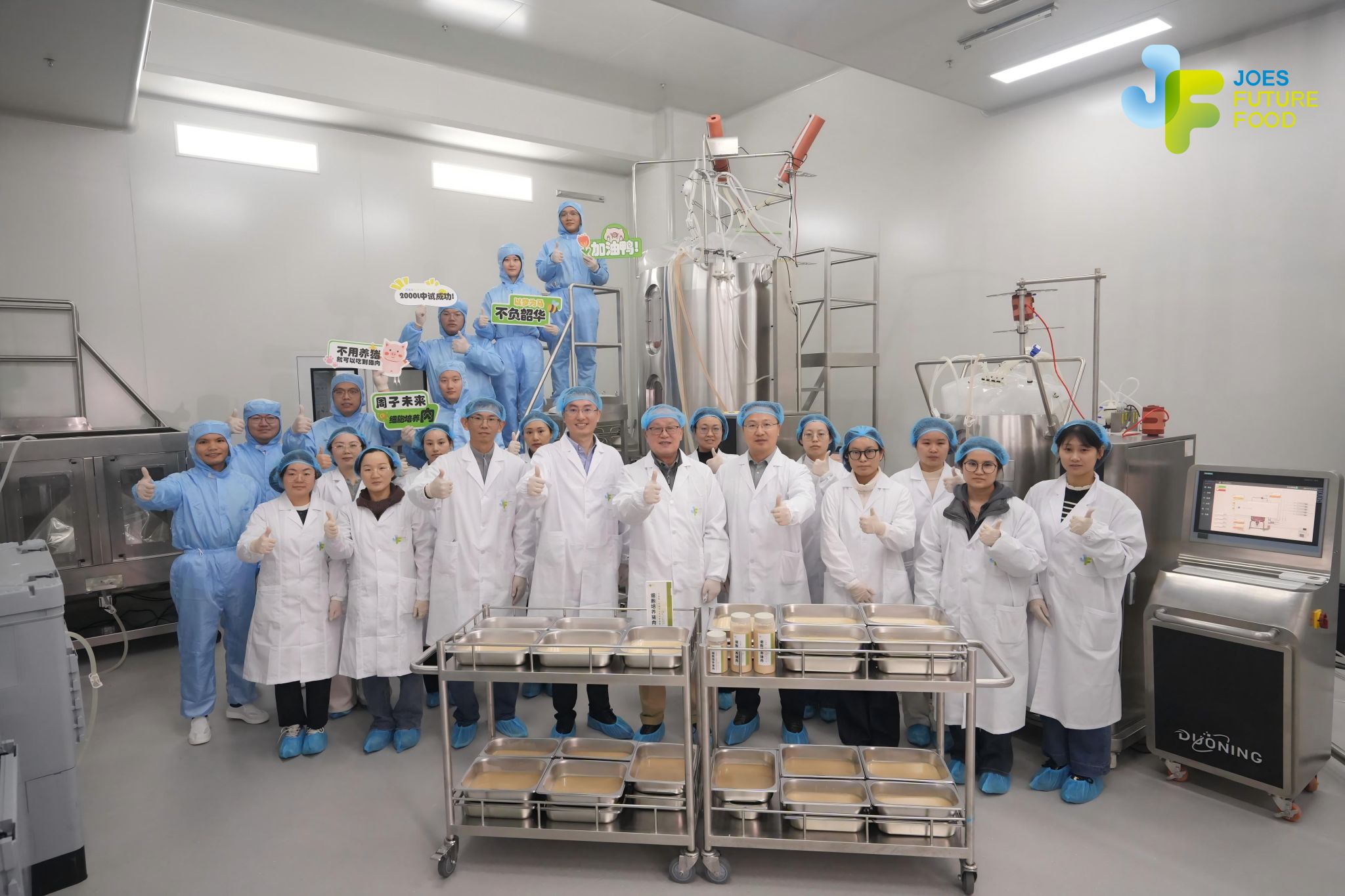
Joes Future Food reached a major milestone for the cultivated meat sector this week after commissioning China’s largest cultivated meat pilot plant and completing what it described as the world’s first scaled trial production of cultivated pork in a 2,000-liter bioreactor.
The commissioning, completed on 12 December 2025, marked a transition from laboratory research to systematic engineering-led production. According to the company, the achievement positioned China at the forefront of global cultivated meat scale-up efforts and established a foundation for future commercialization.
“This achievement marks a decisive leap from laboratory research to systematic engineering production,” said Shijie Ding, CEO of Joes Future Food. “It positions China at the forefront of the global cultivated meat industry and lays a solid foundation for future commercialization.”
The 2,000-liter production run represented a significant increase over the scales typically used in cultivated meat development, which have often remained below several hundred liters. By successfully operating at this volume, the company said it had validated key aspects of its cultivated pork process under conditions closer to industrial manufacturing.
Joes Future Food’s scale-up efforts built on several years of academic and industrial collaboration. In 2019, a research team led by Professor Zhou Guanghong at Nanjing Agricultural University produced China’s first cultivated meat prototype, marking what the company described as a “0 to 1” breakthrough for the country.
In 2020, that work moved toward industrialization when Ding, a core member of the original research team, co-founded Joes Future Food. Since then, the company has focused on translating scientific advances into scalable production systems.
“From that first prototype to the world’s first scaled cultivated pork production in 2025, we have led every step,” Ding said, referencing the company’s earlier validation of a 500-liter bioreactor process in 2023 and the latest 2,000-liter milestone.
The newly commissioned pilot facility was designed to integrate the full cultivated meat production chain. According to the company, it combined cell line development, low-cost serum-free culture media, and large-scale bioprocessing into a closed-loop system with an annual capacity of 10 to 50 tons of cultivated meat products.
“This provides crucial engineering insights and a scalable blueprint for future 10,000-ton production lines,” Ding said.
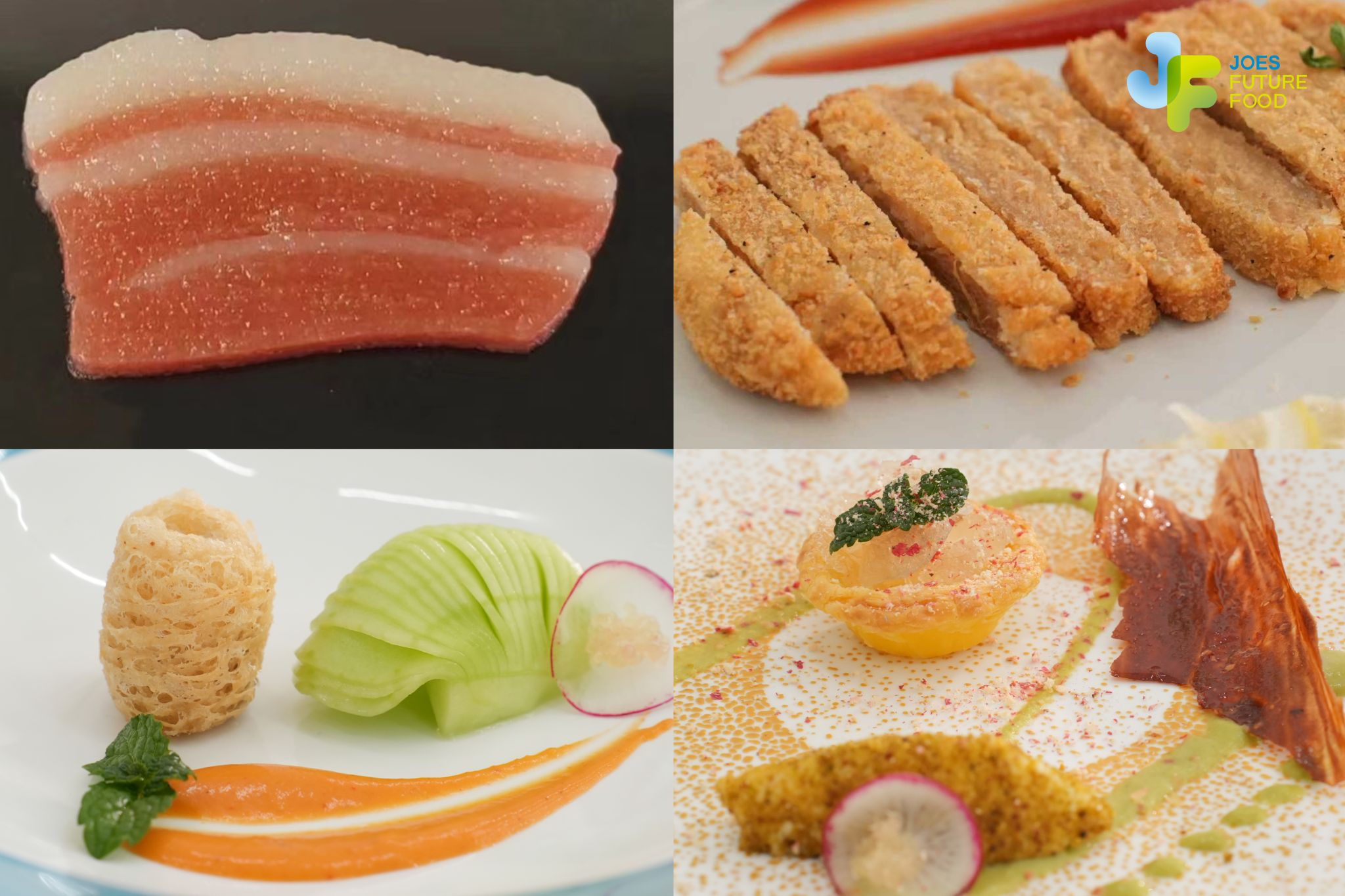
Beyond process scale, Joes Future Food also emphasized downstream product development as part of its commercialization strategy. The company showcased a range of cultivated pork concepts intended to demonstrate functional and culinary versatility, including 3D-printed structured pork belly, honeycomb-style meat formats, and consommé gel paired with meat crisps.
“Beyond scale, we are creating diverse culinary experiences,” Ding said, adding that the products were designed to highlight “the exceptional versatility and quality of cultivated pork.”
The announcement came as the cultivated meat sector continued to advance globally, with regulatory approvals now granted in five countries and a growing number of companies moving toward market entry. Within that context, Joes Future Food said its focus on cultivated pork addressed a category of particular significance.
“The cultivated meat sector is accelerating worldwide,” Ding said. “Our 2,000-liter breakthrough demonstrates China’s leading role in this global movement, particularly in cultivated pork.”
Pork remains the most consumed meat in China and one of the most widely consumed animal proteins globally, making scale and cost critical challenges for any alternative production model. Joes Future Food said its pilot-scale success was intended to support the next phase of development, including further engineering optimization and preparation for commercialization.
“The era of cultivated meat is here,” Ding said. “We are committed to shaping a more sustainable, secure, and resilient food system.”
While the company did not disclose a timeline for commercial launch, the commissioning of the pilot plant marked a clear inflection point in its development. By moving cultivated pork into a multi-thousand-liter production environment, Joes Future Food said it had demonstrated that the technology could progress beyond laboratory validation toward industrial relevance.

Join Us At One Of Our Upcoming Events

If you have any questions or would like to get in touch with us, please email info@futureofproteinproduction.com

.jpg)
.jpg)