


NECTAR’s TASTY Awards reveal 27 dairy-free products matching or beating traditional dairy on taste

NECTAR has unveiled its latest Taste of the Industry 2026 report, finding that 27 dairy-free products matched or outperformed their conventional dairy counterparts on taste among at least half of consumers in blind testing.
• NECTAR evaluated 98 dairy-free products through blind taste tests with 2,183 omnivores, each product assessed by at least 100 consumers alongside a conventional dairy equivalent.
• 27 products earned a TASTY Award, crossing the threshold of at 50% of participants rating them the same or better than the animal benchmarks in overall liking.
• The research formed part of a dataset of more than 30,000 consumer sensory evaluations compiled by NECTAR to assess alternative protein performance.
The findings came as part of what NECTAR described as the most comprehensive public sensory analysis of dairy-free products to date, covering 10 product categories and comparing items directly with animal-based equivalents in real-world consumption settings.
The report placed taste at the center of the transition toward alternatives in a global dairy market valued at US$1.2 trillion. At the same time, the dairy-free sector has been forecast to reach US$66.9 billion by 2030, reflecting growing consumer interest as products improve.
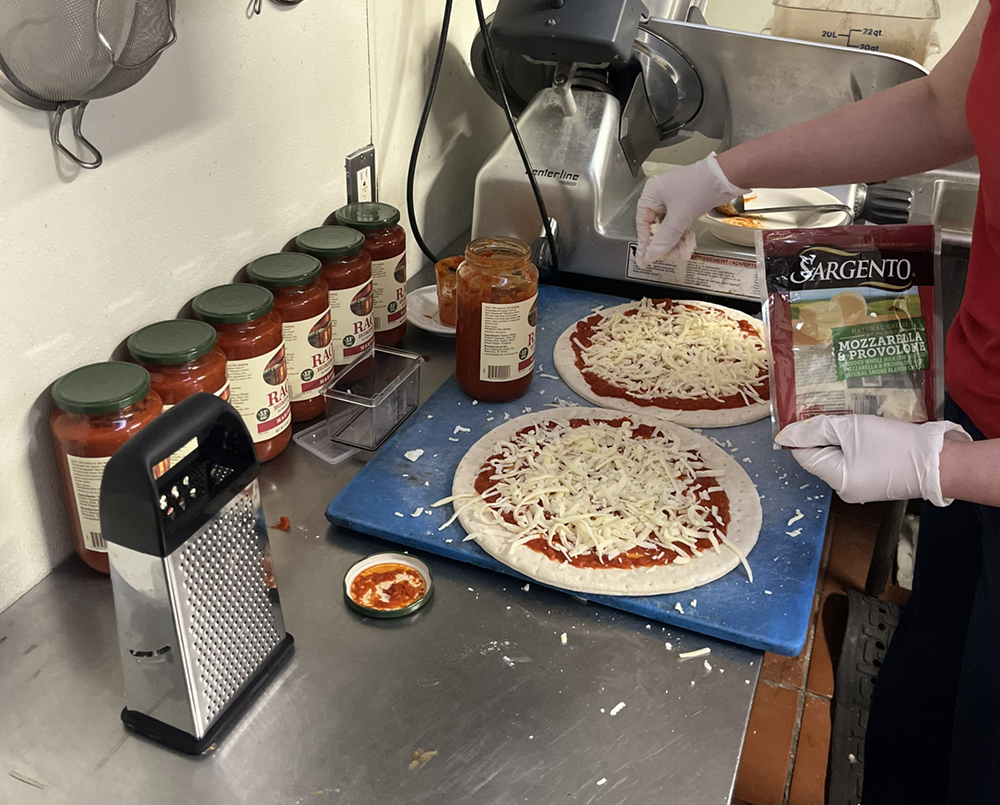
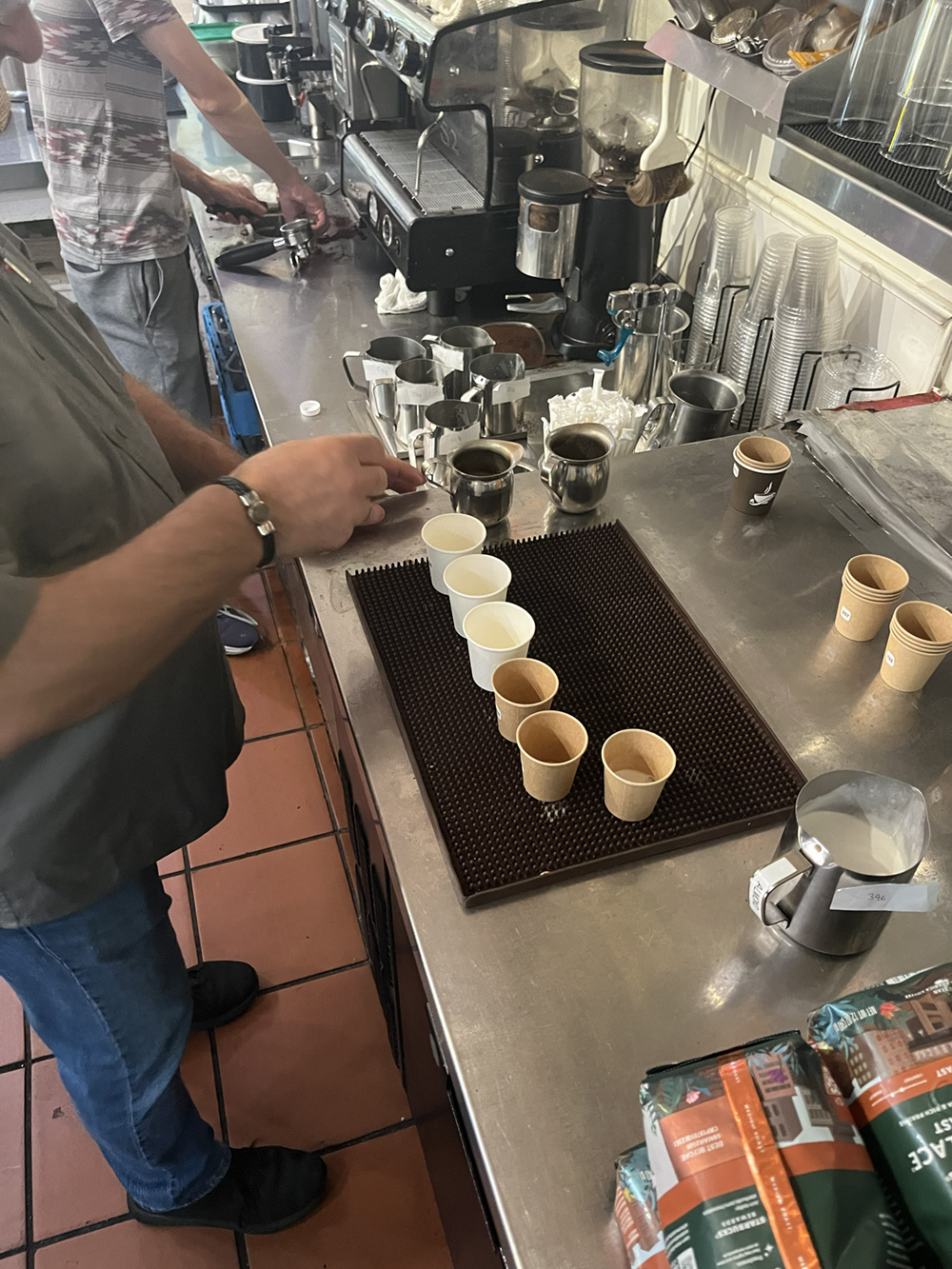
NECTAR conducted blind taste tests using 2,183 omnivores, evaluating 98 products from both established brands and newer entrants. Each product was tested in context, such as creamers in coffee and cream cheese on bagels, to reflect real consumption experiences.
Results showed that dairy-free barista milk performed particularly strongly, with Califia Farms Oat Barista Blend achieving taste parity with Horizon Whole Milk. More broadly, the report found that barista milk, creamers, and standard milk alternatives were increasingly competitive with dairy on taste.
Despite this progress, several categories continued to lag. Ice cream, cream cheese, and mozzarella ranked furthest behind their dairy counterparts, with flavor identified as a critical area for improvement. Texture challenges remained particularly pronounced in cheese, where mozzarella and cheddar showed significant gaps in purchase intent. Mozzarella alternatives recorded a 25% purchase intent compared to 67% for dairy, while cheddar alternatives reached 40% compared to 71%.
These sensory shortcomings extended beyond flavor. The report highlighted the need to improve melt, stretch, and mouthfeel, as well as reduce stickiness and gumminess in dairy-free cheeses to better meet consumer expectations.
Consumer perception data also revealed shifting priorities. Protein content emerged as a more visible driver of purchasing decisions than oils, with around one-fifth of consumers reporting that protein influenced their intent to buy. Health considerations were also significant, with 48% of participants strongly agreeing that health factored into their purchasing choices. This group was more likely to purchase dairy-free products than the general population.
At the same time, emotional responses continued to favor traditional dairy. Participants associated dairy products with feelings such as joy, comfort, satiation, and indulgence. These associations were linked to a 0.6 to 0.9 point increase in purchase intent, underscoring the challenge for alternative products to replicate not only taste but also emotional resonance.
“The path to mainstream adoption for dairy alternatives runs through taste,” said Caroline Cotto, Director of NECTAR. “We’ve seen remarkable progress from category leaders, and we’re excited to honor these standout products at this year’s TASTY Awards. But there’s still significant work ahead for the dairy-free industry. Our goal is to provide the objective sensory data that drives R&D innovation and ultimately expands consumer adoption of sustainable alternatives to dairy.”
Alongside the report,NECTAR announced the winners of its 2026 TASTY Awards, recognizing products that have achieved taste excellence, where at least 50% of consumers rated the alternative product as good as or better than its dairy counterpart in overall liking.
Califia Farms, DREAM, Milkadamia, Minor Figures, Planet Oat, and Ripple were recognized in the barista milk category, while Country Crock, Melt Organic, and Violife received awards for salted butter alternatives. Cheddar winners included Field Roast, Follow Your Heart, Miyoko’s Creamery, and Plant Ahead.
Violife appeared across multiple categories, including cream cheese and sour cream, while creamer awards went to Coffee Mate, Oatly, Planet Oat, Silk, SOWN, and Violife. So Delicious was recognized in ice cream, Blue Diamond, Maizly, and Silk in milk, and Cocojune in yogurt.
NECTAR reported that these awards were based on strict sensory criteria, focusing on whether at least half of consumers rated the alternative as equal to or better than its dairy benchmark in overall liking.
The organization, a nonprofit initiative of Food System Innovations, has built a dataset of more than 30,000 consumer sensory evaluations to support product development across the alternative protein sector. Its methodology emphasizes blind testing and real-use scenarios to generate what it described as actionable insights for manufacturers.
The findings come against a backdrop of environmental concerns linked to dairy production, which accounts for roughly 4% of global anthropogenic greenhouse gas emissions. Cheese production, in particular, has been estimated to generate up to 21kg of CO2 equivalents per kilogram.
NECTAR stated that improving taste in dairy-free products could accelerate the shift toward more sustainable options, providing both environmental benefits and commercial opportunities for brands able to close the remaining sensory gaps.

Join Us At One Of Our Upcoming Events

If you have any questions or would like to get in touch with us, please email info@futureofproteinproduction.com



.jpg)
.jpg)
