Review has identified barriers to scaling plant-based meat production

A review published in Discover Food on November 26 has examined why many methods for making plant-based meat are difficult to transfer from the lab to the factory. The authors examined research published from 2006 to 2026, covering how manufacturers select ingredients, create texture and maintain food safety and shelf life as production increases.
• The team searched four research databases for work published between 2006 and 2026, covering ingredients, processing, sensory quality, shelf life, food safety and environmental performance.
• The review examines extrusion, shear-cell processing and other ways of creating texture, with attention to how easily techniques demonstrated in the lab can move into industrial production.
• The authors identify production cost, limited scalability, consumer acceptance and regulatory uncertainty as constraints, and call for clearer routes to transfer research into commercial food manufacturing.
One problem starts before the protein reaches the equipment. A manufacturer needs raw materials that consistently behave as expected through mixing, texturing and cooking. Choosing a protein for its nutritional composition leaves several manufacturing questions open. It must also work at the intended moisture level, tolerate the conditions needed to create texture and hold up in the finished recipe.
Extrusion and shear-cell processing approach texture in different ways. An extruder uses screws to move and work ingredients through a barrel under controlled conditions. Shear-cell processing uses heat and controlled shear to encourage a protein mixture to form a layered structure. A demonstration of fiber formation can show that a formulation is technically promising. The next question for a manufacturer is whether the method delivers the same structure at the required output and with ingredients it can buy consistently.
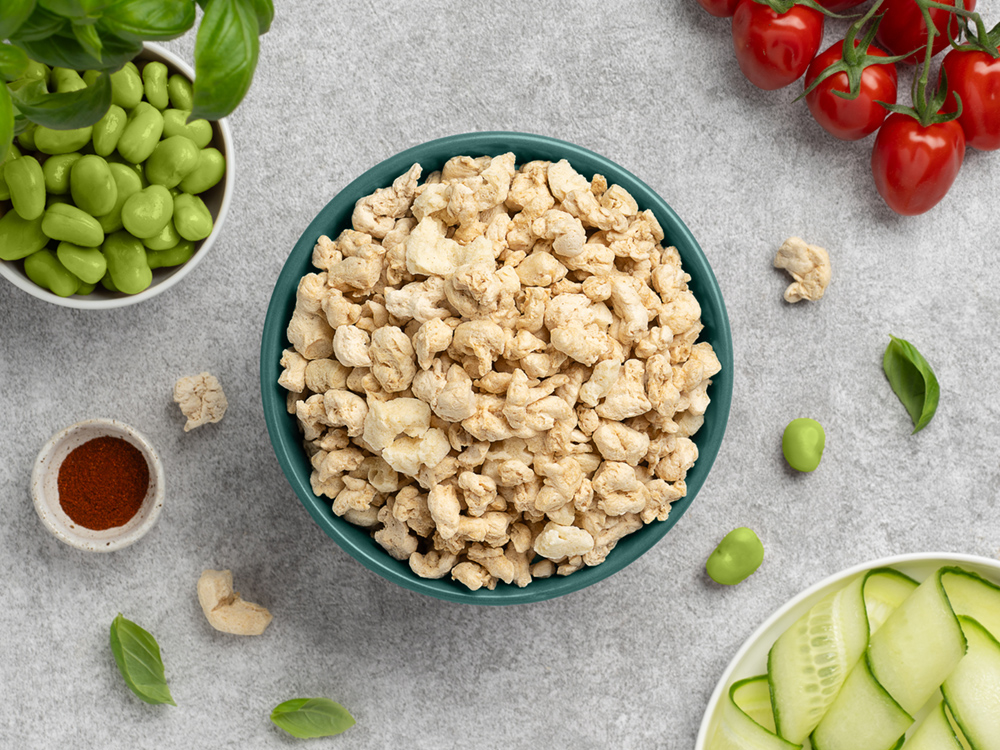
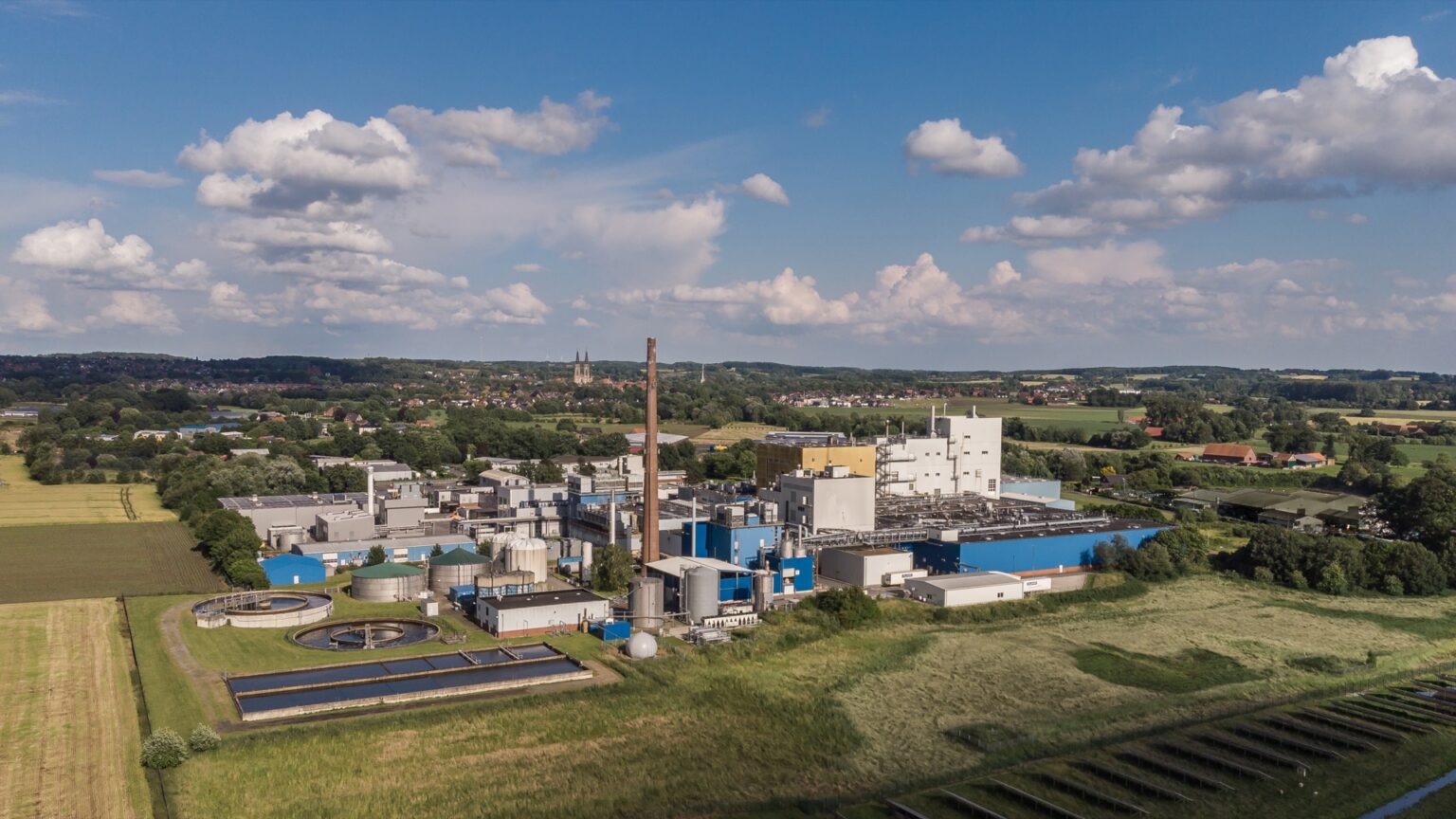
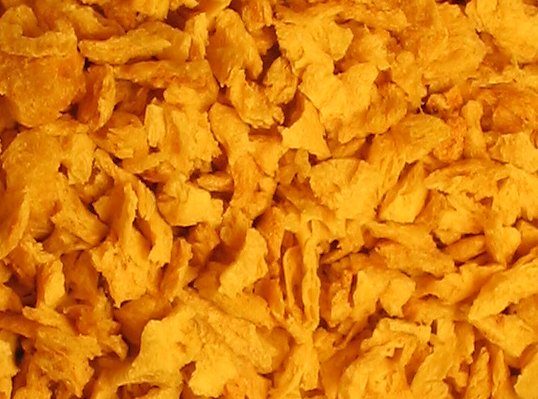
Plant protein suppliers can take on some of that work before the ingredient reaches the customer. Happy Plant Protein, for example, has deployed dry extrusion technology in Latvia, while Crespel & Deiters has expanded its range of textured pea ingredients. Manufacturers that buy a pre-textured ingredient make a different set of equipment and formulation decisions from those that choose to create the structure in-house.
The review covers other techniques, including three-dimensional printing and electrospinning. These offer ways to control how a material is structured. Their industrial usefulness depends on what the equipment can produce over a sustained run and how the resulting material performs in a finished food. The authors identify cost and the limited scalability of some processes as obstacles to wider deployment.
The authors also include food safety and shelf life in the discussion. Product teams have to show that the texture and sensory characteristics they obtain in development hold through the product’s intended storage and preparation. For a chilled or frozen product, the relevant tests will depend on the formulation, package and distribution conditions. Those decisions affect the economics of manufacturing as well as the experience of eating the product.
Lead author Markos Makiso Urugo and colleagues used a structured search of Scopus, Web of Science, PubMed/MEDLINE and Google Scholar to produce a narrative review. The paper brings studies on different ingredients, technologies and products into the same discussion. It offers a way to compare the problems researchers have reported, while plant-level costs and throughput still have to be established for specific manufacturing lines.
The authors call for clearer routes to move research into industrial facilities and identify investment, reliable supply chains and regulatory support as factors in that transition. For a processor choosing between routes, the work to do after demonstrating texture includes validating raw material supply, running the chosen equipment at the intended rate and measuring how much saleable product the line can deliver.
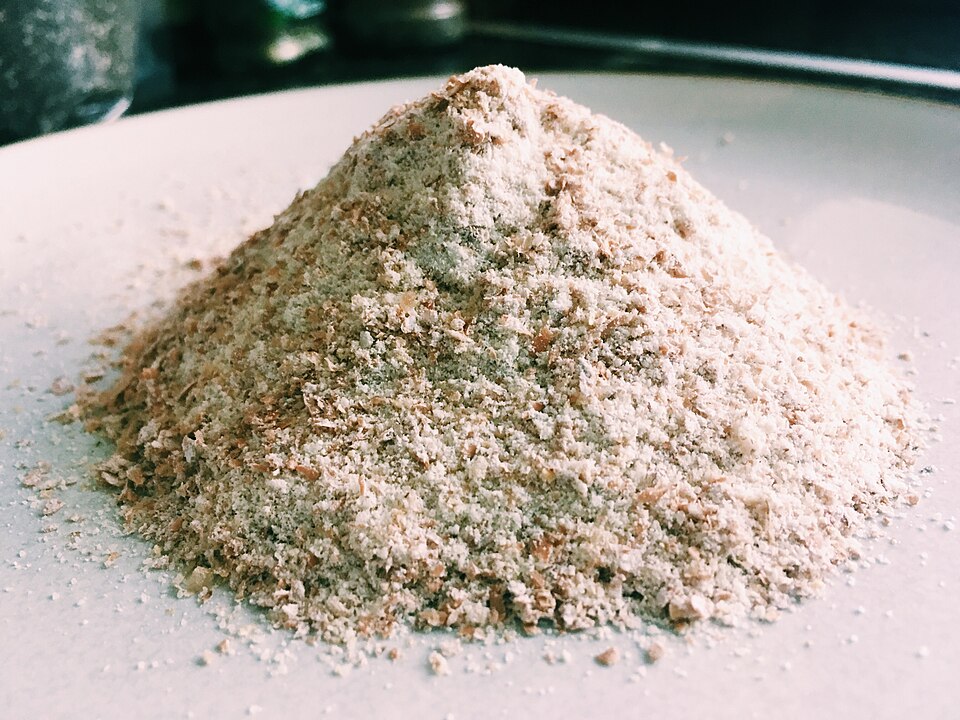
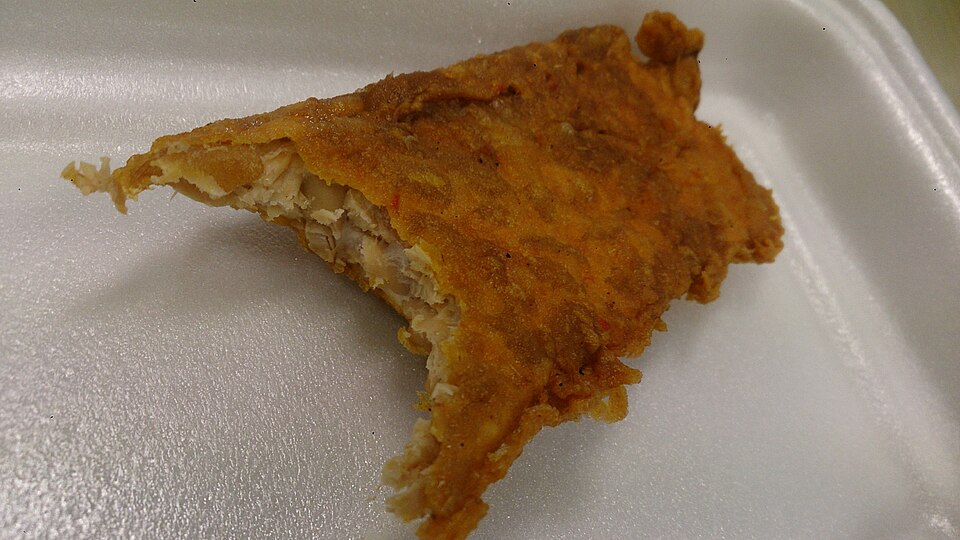
Photo: NTK / Wikimedia Commons, Public domain

Join Us At One Of Our Upcoming Events

If you have any questions or would like to get in touch with us, please email info@futureofproteinproduction.com