Researchers have tested probiotic cereal flours through 150 days of storage

Researchers have found that cereal flours formulated with a spore-forming bacterial culture retained high viable spore counts during simulated digestion after storage for up to 150 days. The study, published in Foods on November 26, also tested how selected gut bacteria responded when the flours were fermented in the laboratory.
• The researchers prepared cereal flours containing spores of Bacillus coagulans GBI-30, with one formulation also including beta-glucan, and assessed their physical stability and viable counts during storage.
• The study used a simulated digestive process to examine how spores survived conditions designed to represent passage through the digestive tract over the 150-day storage period.
• A separate laboratory fermentation used human fecal microbiota to track changes in selected bacterial groups and short-chain fatty acid production over a period of 48 hours.
Dry flours could give food manufacturers a way to incorporate live cultures into a plant-based formulation. For that to work, the organisms need to survive storage and remain viable when the finished product is consumed. The team led by Paula Izabela Felinto da Costa Cardoso of Brazil’s Federal University of Paraíba tested those questions in the flour formulations and with simulated digestion.
The researchers also used a separate laboratory experiment to see how the materials affected selected bacteria and the compounds they produced. Both formulations increased or maintained the abundance of some of the bacterial groups measured, and the researchers recorded increased short-chain fatty acid production. The experiment provides data on fermentation in a laboratory model. It did not measure how eating the flour affects people.
The food application will determine the next round of tests. Flour may be stored dry, then mixed with water or incorporated into a product that undergoes further processing. A developer would need to establish the viable count through the intended process and shelf life of the finished food. The published storage result provides a starting point for evaluating the ingredient at that stage.
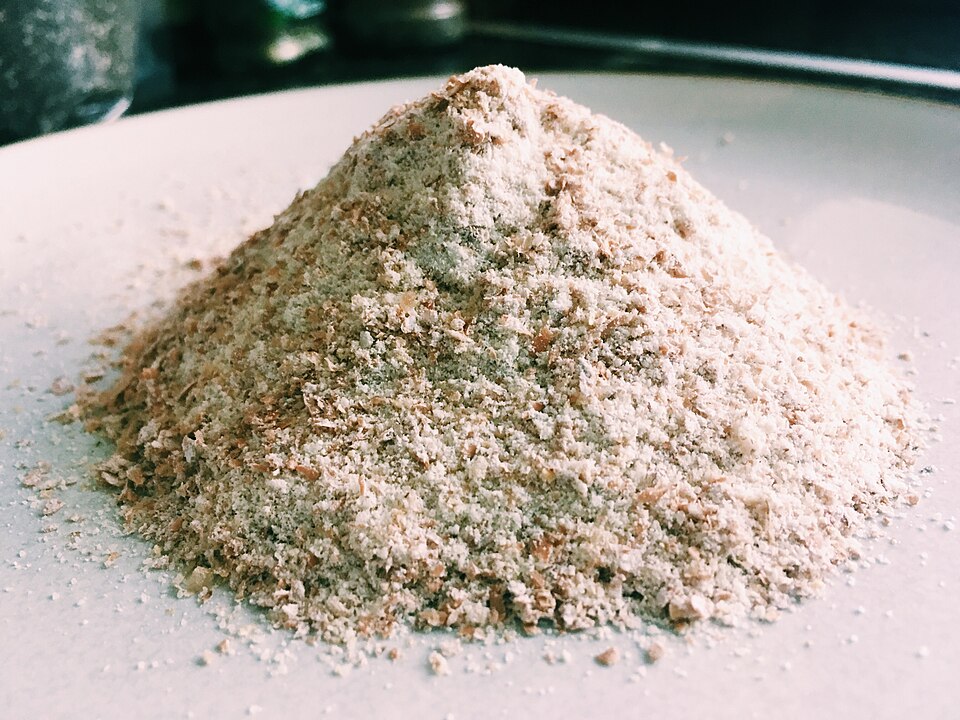
Photo: Oliwier Brzezinski / Wikimedia Commons, CC BY-SA 4.0

Join Us At One Of Our Upcoming Events

If you have any questions or would like to get in touch with us, please email info@futureofproteinproduction.com