Vegan Food Group breaks apart as VFC and Meatless Farm go their own way

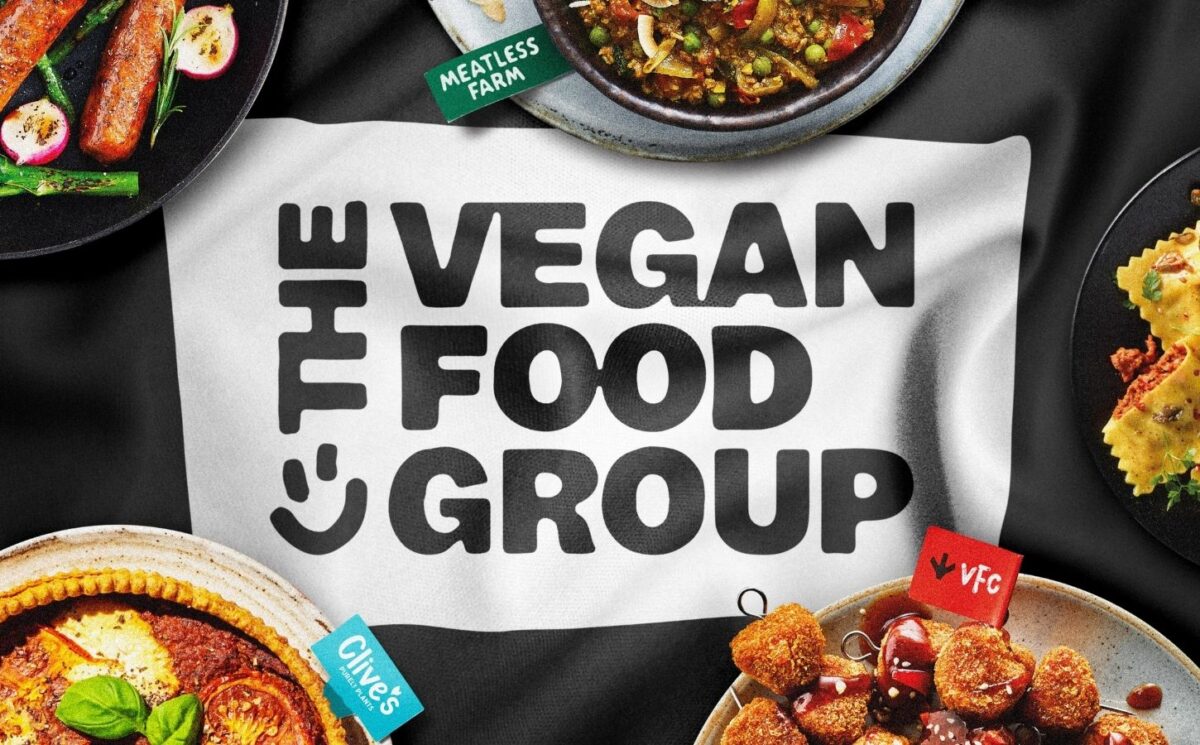
The Vegan Food Group has closed its York office, shut down Clive’s Purely Plants, and separated its remaining consumer brands, effectively dismantling the plant-based holding company less than two years after its formation, according to various reports from leading food news platforms.
• Vegan Food Group closed its York office, shut Clive’s Purely Plants, and separated VFC and Meatless Farm into an independent business.
• The company narrowed its focus to manufacturing operations in Lüneburg, Germany, after selling and closing other production sites.
• Co-founder Adam Lyons returned to lead VFC Foods following the separation, while CEO Dave Sparrow stepped down in 2025.
Formed out of VFC Foods with ambitions to build a multi-brand plant-based powerhouse, Vegan Food Group had acquired Meatless Farm, Clive’s Purely Plants, and German manufacturer Tofutown in rapid succession. The company had described its strategy as creating a vertically integrated platform spanning brands, manufacturing, and European distribution.
That structure has now been unwound.
According to reporting by The Grocer, Vegan Food Group closed its York head office and moved to separate VFC and Meatless Farm from the wider group, re-establishing VFC Foods as a standalone business. The separation was expected to be completed over the following weeks.
At the same time, Clive’s Purely Plants ceased operations after its bakery in Dartmouth, UK, closed, resulting in 32 redundancies. The closure marked the end of one of the UK’s longest-standing vegan food brands, which Vegan Food Group had acquired as part of its consolidation strategy.
The restructuring followed a period of rapid expansion and mounting operational pressure across the UK plant-based sector, where rising costs, slowing category growth, and retailer rationalization had reshaped the market over the past two years.
Adam Lyons, Co-founder of VFC, has returned to the business in a leadership role following the separation. He said his focus was on stabilizing the company after a period of disruption. “My return was centered on stabilization across operations, finance, and commercial delivery,” Lyons said. “The business was now governed, funded, and managed independently, with clear accountability and direct leadership.”
VFC Foods was funded by its original backer, Ahimsa Foundation, alongside Lyons himself, according to Green Queen, which reported details of the restructuring. The company continued trading while working through reformulation and supply chain changes.
Matthew Glover, Co-founder of VFC Foods and Vegan Food Group, apparently declined to comment on specific questions about the restructuring when approached by Green Queen, but said decisions had been made to support long-term viability.
“Decisions were made in the interest of creating a permanent, profitable operation to produce and distribute sustainable plant protein across Europe,” Glover said. He added that the group remained optimistic about the future of Meatless Farm and its German manufacturing base.
The breakup left Vegan Food Group’s remaining activities centered on its production facility in Lüneburg, Germany, following the earlier sale of Tofutown’s Wiesbaum site to The New Originals Company. The Lüneburg facility had been described by the company as the largest dedicated plant-based manufacturing site in Europe.
Vegan Food Group had invested £11.5 million (US$14.6 million) in the German operation to install a fully automated production line for mung-bean-based liquid egg products, after securing exclusive European distribution rights for Eat Just’s Just Egg. The product had launched in UK supermarkets and expanded into Germany shortly before the restructuring.
The company had previously said it expected sales to reach £25 million (US$31.7 million) in 2024, with longer-term ambitions to exceed €100 million (US$108.9 million) in revenue. However, Vegan Food Group had not published updated financial results following its rebrand from VFC Foods, and its most recent accounts were overdue at Companies House. In September 2025, chief executive Dave Sparrow stepped down from his role.
Industry observers noted that Vegan Food Group’s experience mirrored wider consolidation and retrenchment across the alternative protein sector, particularly in the UK, where several high-profile brands had entered administration or exited the market.
For VFC Foods and Meatless Farm, the separation marked a reset rather than an exit. Lyons said the business continued to work with retail and manufacturing partners as it sought to rebuild operational performance and prepare for future product launches.
Clive’s Purely Plants, meanwhile, became one of the most prominent casualties of a difficult period for legacy vegan brands, as the market shifted away from rapid line extensions toward fewer, more tightly managed product ranges.
While Vegan Food Group no longer existed in its original form, its brief attempt to assemble a pan-European plant-based platform underscored both the ambition and the volatility that defined the sector’s post-pandemic expansion phase.

Join Us At One Of Our Upcoming Events

If you have any questions or would like to get in touch with us, please email info@futureofproteinproduction.com