Wageningen opens CIBIA to speed food innovation from lab to market

Wageningen University & Research (WUR) has officially opened CIBIA, a new research and innovation facility designed to help food technologies make the journey from scientific research to products that can be tested, scaled and ultimately brought to market.
• Wageningen University & Research has officially opened CIBIA, a new facility for developing, testing and scaling food innovations
• Capabilities span physical, chemical, microbiological, sensory, nutritional and health assessment, supported by AI and digital twins
• Companies, startups and other organizations can access the facility through research projects, collaborative programs and shared-use arrangements
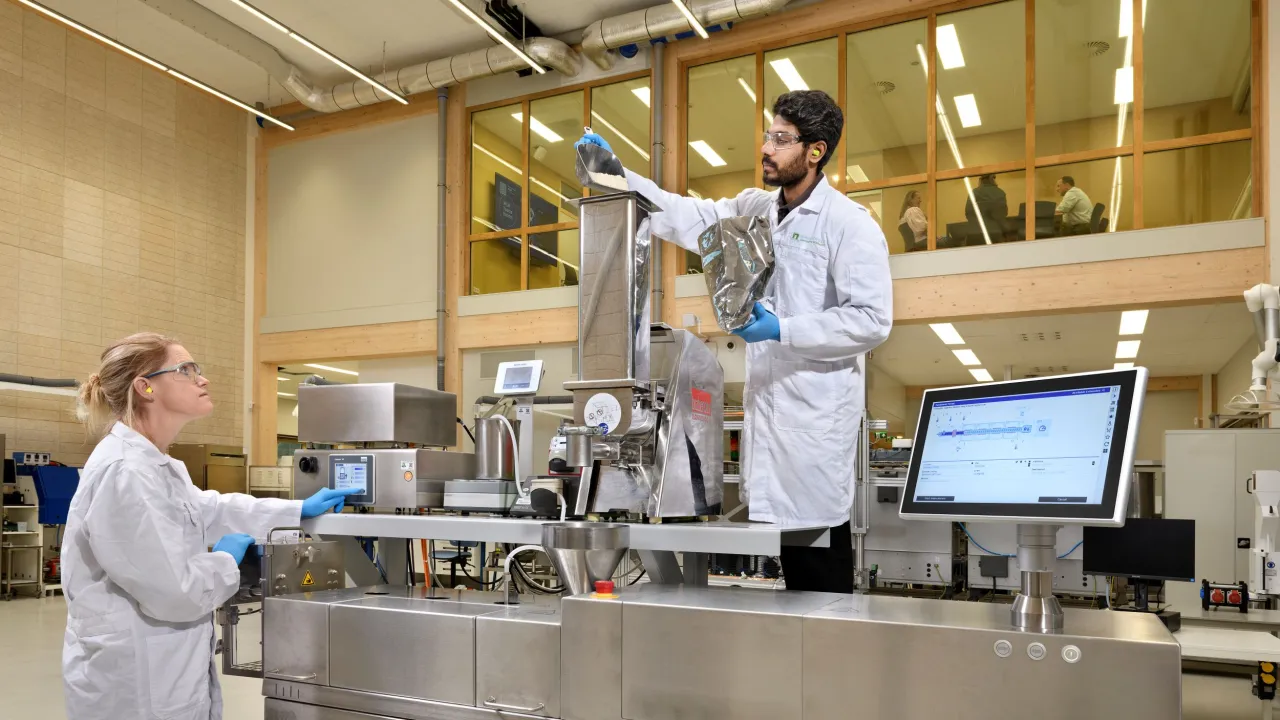
Opened on 29 September, the facility brings together capabilities covering raw materials, food processing, product development, analysis and consumer research. It will be accessible to companies and startups as well as research organizations, civil society groups and governments.
For developers of new proteins and other food ingredients, CIBIA is intended to provide a setting in which technologies can be assessed not simply for whether they work technically, but for how they perform as foods.
“Innovations for the food systems of the future require more than good ideas and scientific knowledge,” said Rianne Ruijschop, Research Manager Food Technology at WUR. “The key is to translate knowledge into applications that can make a real difference. At CIBIA, we bring together the full innovation chain, from raw materials and technology development to product development, consumer acceptance and societal impact. This helps innovations move more quickly from research into practice.”
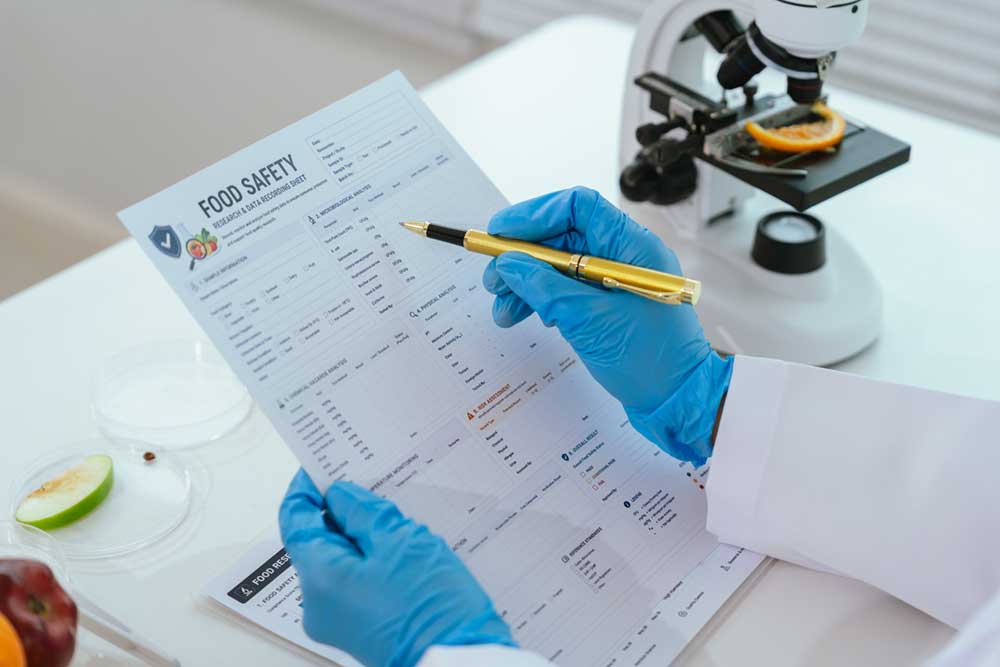
Prototype products developed or tested at CIBIA can be assessed for physical, chemical, microbiological, sensory, nutritional and health-related characteristics. The resulting data can then be incorporated into digital models and digital twins, with artificial intelligence used to support analysis and optimization.
WUR said the approach will allow researchers and companies to examine different product and processing scenarios more rapidly, including changes intended to reduce energy and water consumption or lower salt and sugar levels while maintaining product quality.
Consumer research is another part of the facility's remit. Sensory testing will be used to investigate product acceptance and food choices, allowing consumer response to be considered earlier in development rather than after a technology or formulation has already progressed substantially.
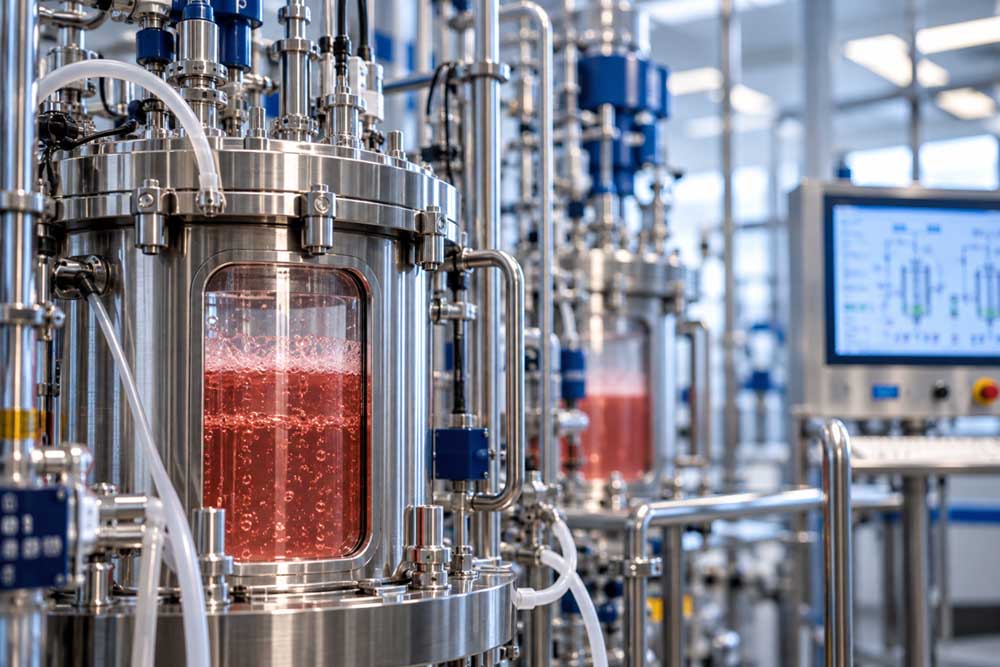
That could be particularly relevant for new protein products, where technical performance alone does not determine whether an ingredient or finished food will succeed. CIBIA will support work on new protein sources alongside projects focused on reducing food waste, improving the use of raw materials, lowering processing demands and developing more sustainable packaging.
The facility has been established as an open research environment rather than one serving WUR projects alone. External partners will be able to use its capabilities through research projects, collaborative programs and shared-use arrangements.
Funding for CIBIA's development came from the Dutch Ministry of Agriculture, Fisheries, Food Security and Nature and the Ministry of Economic Affairs and Climate Policy through the Facilities for Applied Research scheme.
WUR said the model is intended to bring researchers from the university and its research institutes into closer contact with businesses, startups, governments and other organizations working on food innovation.
“CIBIA is a valuable addition to the Netherlands’ research infrastructure,” said Sjoukje Heimovaara, President of the Executive Board of Wageningen University & Research. “The facility strengthens the connection between science, business and society and helps translate knowledge into innovations that contribute to societal challenges.”
The building itself was also designed with resource use in mind. Much of its load-bearing structure is timber, which WUR said reduces carbon dioxide emissions compared with conventional construction. Timber has also been used extensively for the façade, while concrete was restricted to areas where its use was considered technically or economically necessary.
CIBIA adds another piece of shared infrastructure to the Netherlands' food research base at a time when access to development and scale-up facilities remains an important issue for emerging food technologies.
For WUR, however, the remit extends further than scale-up equipment alone. By putting analytical work, process development, product formulation and consumer research in the same facility, CIBIA is designed to allow a food concept to be examined across several stages of development without separating the technology from the product that eventually reaches consumers.
As Ruijschop put it, the objective is to bring together “the full innovation chain” and shorten the route between research and practical application.
If you liked this, check these out...
• Wageningen-led VASCO project targets overlooked proteins in crop side streams
• Tufts launches Food Innovation Hub to support cellular agriculture, bioprocessing and scale-up
• Imperial opens Bezos Centre labs to advance sustainable protein research in London

Join Us At One Of Our Upcoming Events

If you have any questions or would like to get in touch with us, please email info@futureofproteinproduction.com