CREMER launches FermBase to address feedstock and supply chain constraints in fermentation scale-up

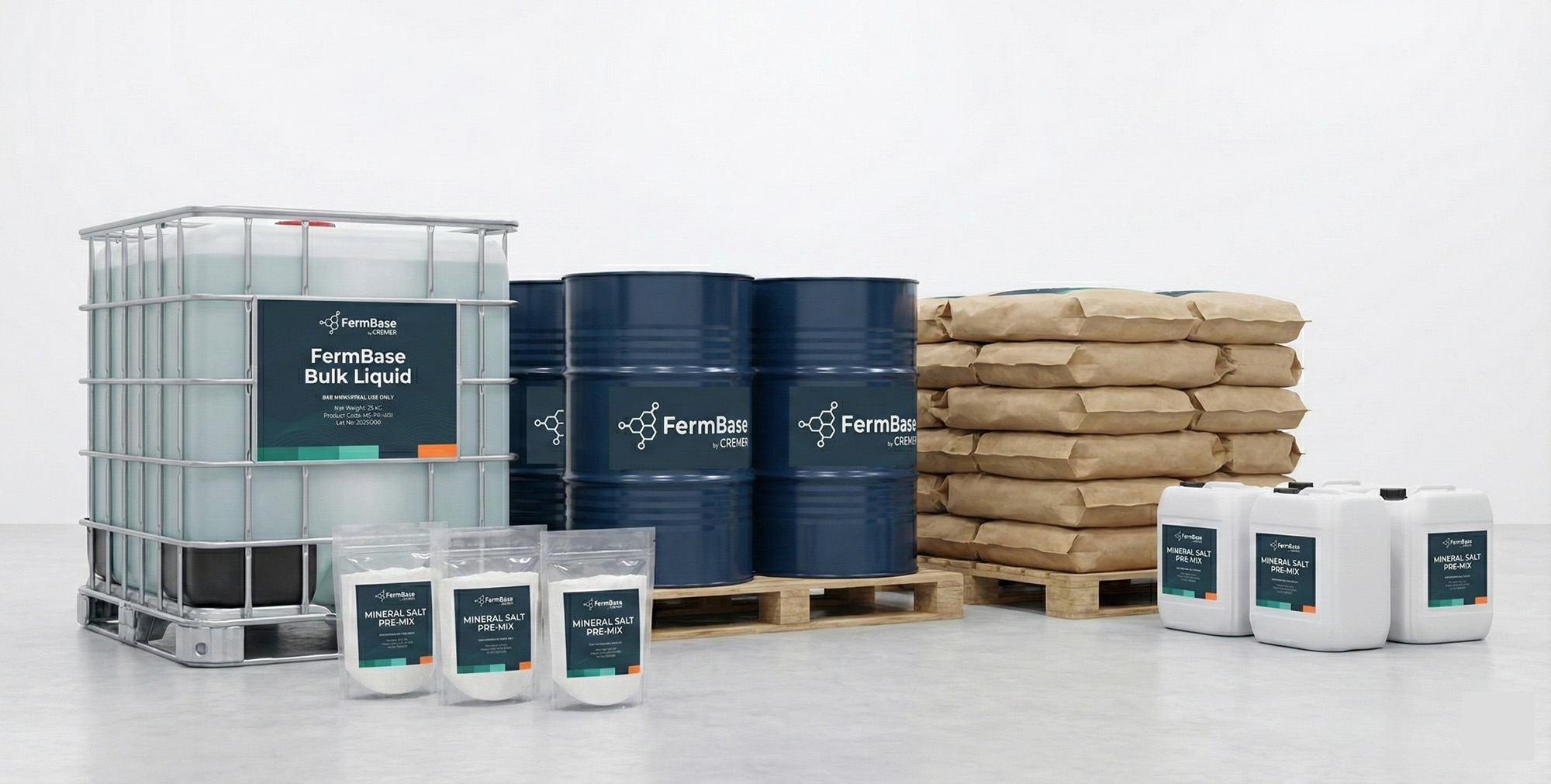
The Hamburg, Germany-based CREMER Group has expanded its activities this month with the launch of FermBase by CREMER, a new brand focused on fermentation media and globally scalable supply chain solutions for the biotechnology industry. The move marks CREMER’s most direct entry into next-generation and precision fermentation, as companies across food, feed, cosmetics, and industrial biotechnology face mounting pressure to scale reliably and cost-effectively.
The launch follows early customer projects across alternative proteins, precision fermentation, and industrial biotechnology, and establishes FermBase as a central competence center within the CREMER Group. The brand combines feedstock sourcing, procurement, processing, and logistics with application-focused expertise in fermentation media, targeting challenges that increasingly constrain industrial production.
• CREMER launched FermBase as a dedicated brand for fermentation media and globally scalable supply chain solutions.
• The initiative targets sourcing complexity, regulatory hurdles, and cost pressures that intensify as fermentation scales.
• Initial projects were launched across alternative proteins, precision fermentation, and industrial biotechnology.
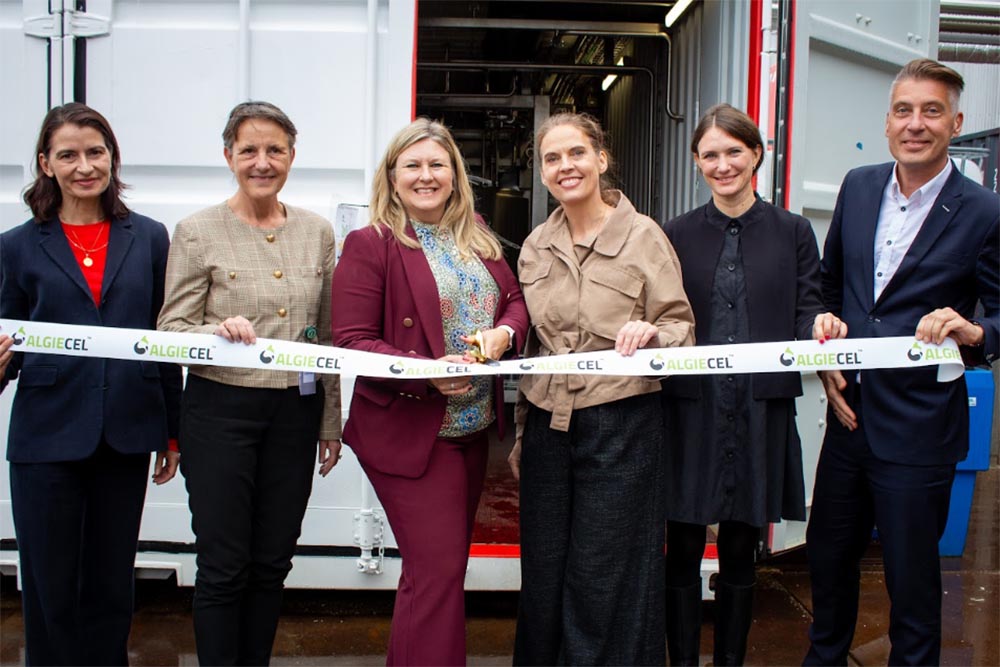
“Fermentation is one of humankind’s oldest technologies and at the same time one of the most exciting technologies of the future,” said Dr Christian Flach, CEO of Peter Cremer Holding (pictured in main image). “With FermBase, we are building on our long-standing expertise in global raw material trading. Our portfolio provides a unique starting point to support fermentation companies in establishing stable international supply chains. With FermBase, we are creating an infrastructure that accelerates innovation and reduces complexity.”
“The questions are often complex and diverse across the fermentation industry, particularly at different stages of scale-up,” added Nils Rupp, Head of Business Unit Sustainable Nutrition at CREMER. “The industry remains highly fragmented and lacks dedicated specialists with end-to-end experience from laboratory to industrial production.”
That fragmentation becomes most visible as companies move beyond pilot operations. While sourcing at laboratory scale is rarely limiting, the transition to demonstration and industrial production often exposes gaps that are difficult to resolve later.
“Many of the ingredients required for fermentation processes are sourced from different parts of the world, and selecting the right carbohydrate source at an early development stage can determine both process success and the achievable scale of production,” Rupp said.
“While ingredient sourcing at laboratory and pilot scale is usually straightforward, companies increasingly face major challenges when transitioning to demonstration and industrial scale,” he added.
“New complexities emerge around quality management, supplier qualification, regulatory compliance, shipping and logistics, and even manufacturing process design,” Rupp said. “What initially appears to be a simple procurement task quickly becomes a specialized discipline of its own within the fermentation industry.”
Late-stage changes introduce significant regulatory risk. “From our perspective, sourcing decisions must be integrated very early into process design,” Rupp said. “Regulatory complexity alone can make late-stage changes extremely costly or even impossible.”
“For example, certain mineral salts may be approved for food applications but not for feed, while ingredients used in cosmetic or personal care applications may require additional registration frameworks,” he said.
Volume and logistics constraints intensify as production scales increase. “Many companies underestimate the sheer volume of input materials required at scale and the critical importance of stable and suitable logistics concepts,” Rupp said. “Without robust sourcing and logistics strategies, even technically successful fermentation processes can fail to scale.”
“The bill of materials for fermentation media is often one of the largest cost drivers in the overall process economics,” Rupp said. “Early decisions on feedstocks and suppliers therefore have a long-term impact on both cost structure and scalability.”
“We often see complex recipes with +15 single ingredients that need to be administered, sourced, and managed,” he added. “These elements are capital-intensive, require significant upfront investment, and are difficult to change later.”
As projects move from development to industrial production, the balance between flexibility and control shifts. “At early stages, customization is essential because teams are still learning how their organisms behave and how different media formulations affect performance,” Rupp said. “Flexibility at this point accelerates innovation.”
“The challenge shifts toward reproducibility and control,” he said. “This is where companies begin to balance tailored solutions with more structured, modular approaches that can be qualified with suppliers and aligned with regulatory requirements.”
“At full industrial scale, standardization becomes unavoidable,” Rupp said. “Cost efficiency, consistent quality, regulatory compliance, and global supply security demand a limited and reliable set of raw materials and processes.”

“What works as a highly customized solution in the lab can quickly become a bottleneck when production volumes grow or when companies expand into new regions,” he added.
Global availability further complicates formulation decisions. “For decades, CREMER has helped customers bridge the gap between locally optimized formulations and globally reproducible supply concepts,” Rupp said. “We work to translate high-performing media components into sourcing strategies that remain economical, available, and compliant across different regions.”
Risk management remains another pressure point as scale increases. “CREMER brings together deep market knowledge and long-standing operational experience through specialized teams that have been active in global raw material markets for decades,” Rupp said.
“With a broad supplier network and people on the ground in key sourcing regions, CREMER is able to assess local market conditions directly and identify alternative sourcing options quickly,” he added. “For fermentation companies, this means greater resilience against volatility, shortages, and geopolitical uncertainty.”
Early collaborations through FermBase challenged some expectations. “What stands out most about our successful customers is their ability to adapt,” Rupp said. “They move at remarkable speed and are not afraid to challenge months or even years of prior development when new data or better solutions appear.”
“We initially expected conversations to be driven mainly by technical questions,” he said. “Instead, the real challenges are often supply chain-related: sourcing, availability, logistics, and regulatory alignment.”
As fermentation volumes increase, competition for inputs intensifies rather than eases. “One of the most significant challenges is competition for raw materials that are already used in food and feed production,” Rupp said. “Over time, pressure on these resources will only intensify as volumes grow.”
“The industry must move beyond conventional feedstock and become more creative in using alternative carbohydrate sources, industrial side streams, and previously underutilized materials,” he added.
“We are confident that solutions will emerge in parallel with industry growth,” Rupp said. “New feedstock pathways, improved logistics models, and a growing ecosystem of dedicated specialists along the value chain will help enable sustainable, long-term scale-up.”

Join Us At One Of Our Upcoming Events

If you have any questions or would like to get in touch with us, please email info@futureofproteinproduction.com

More News