Dutch go west: Cellular agriculture delegation crosses the North Sea for London talks

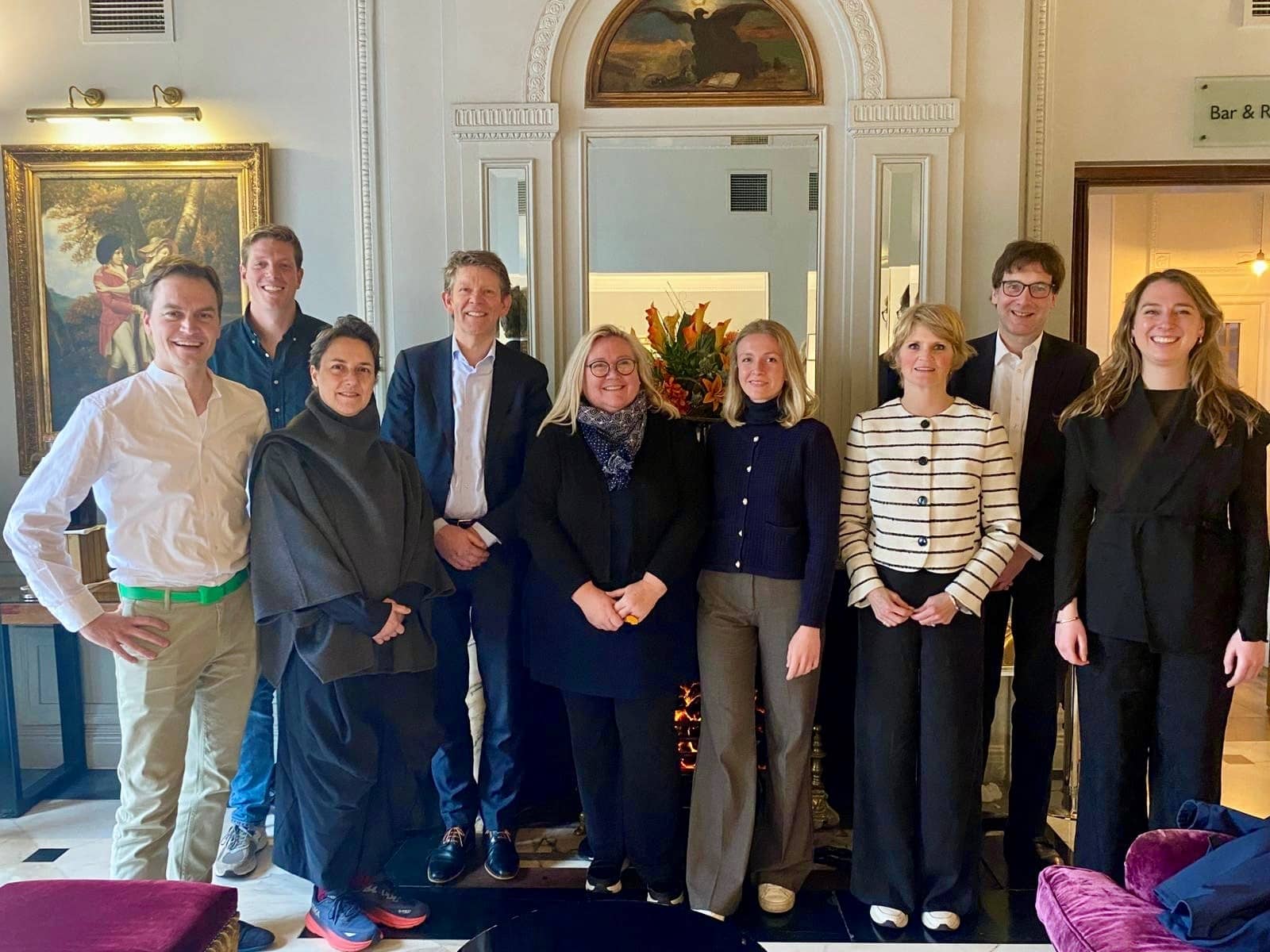
Dutch businesses, researchers and policymakers visited London on 12 February for a two-day cellular agriculture fact-finding mission aimed at strengthening collaboration between the Netherlands and the United Kingdom across regulation, research and commercialization.
• Dutch businesses, researchers and policymakers visited London on 12 February for a two-day cellular agriculture fact-finding mission organized by the Dutch Embassy and partner institutions.
• Delegates engaged with the UK Food Standards Agency’s Cell Cultivated Products Sandbox Programme and visited the Bezos Centre for Sustainable Protein, Multus and Hoxton Farms.
• Discussions covered regulatory alignment, publicly funded scale-up programs including the €60 million Cellulaire Agricultuur Nederland initiative, and collaboration on research, funding and trade.
The visit was organized by the Dutch Embassy in London alongside Cellular Agriculture Netherlands Foundation, the Alternative Protein Association and the Bezos Centre for Sustainable Protein at Imperial College London.
The program brought together representatives from companies, universities and government departments from both countries to examine potential areas for cooperation in regulatory alignment, scale-up infrastructure, funding and education.
Both the UK and the Netherlands have increased investment in cellular agriculture technologies in recent years. In the UK, the Food Standards Agency has worked closely with companies, including Dutch cultivated meat company Mosa Meat, to accelerate regulatory pathways through its Cell Cultivated Products Sandbox Programme. The FSA and Food Standards Scotland published the UK’s first safety guidance on cell-cultivated products in December.
The sandbox model allows innovations that would otherwise face legislative uncertainty to be trialed within a structured regulatory environment. Under the Cell Cultivated Products Sandbox Programme, the FSA collaborates directly with companies to complete full safety assessments within two years, providing guidance before formal submissions and addressing issues such as labeling during the process.
Dutch delegates attended an engagement session organized by the FSA, FSS and the Alternative Protein Association focused on the sandbox framework before visiting Imperial College London’s Bezos Centre for Sustainable Protein.
At Imperial, discussions centered on research pipelines and scale-up capacity. The centre presented work underway across its Scale-Up IB PhD programme, research funded through the Bezos Centre and the National Alternative Protein Innovation Centre, and plans to expand scale-up facilities to accelerate commercialization.
Participants also heard from Julian Arjuna Bisten of Multus and Owen Ensor of Meatly on approaches to scaling cellular agriculture businesses in the UK.
From the Dutch side, representatives highlighted the €60 million publicly funded Cellulaire Agricultuur Nederland programme, as well as research being conducted at Wageningen University & Research and Delft University of Technology. Delegates also discussed €25 million scale-up investments under the BFF and Cultivate at Scale initiatives.
The program included visits to Multus and Hoxton Farms. Multus combines artificial intelligence, robotics and biotechnology to optimize growth media for cell cultivation. Hoxton Farms develops modular clusters of bioreactors designed to produce high-value products from stem cells for food and pharmaceutical applications.
A final roundtable discussion included Hoxton Farms and Mosa Meat alongside representatives from the UK Department for Business and Trade, the Department for Environment, Food and Rural Affairs and the Food Standards Agency. Conversations highlighted collaboration challenges and opportunities related to imports and exports of innovative food products.
Delegates also heard from RespectFarms and UK farmers about the need to diversify income streams and growing interest in cellular agriculture technologies.
The Agriculture Team at the Dutch Embassy thanked co-organizers and participants for their contributions, describing the visit as a successful fact-finding mission.
The two-day exchange underscored the increasing alignment between the Netherlands and the United Kingdom as both countries continue developing regulatory clarity and industrial capacity in cellular agriculture.

Join Us At One Of Our Upcoming Events

If you have any questions or would like to get in touch with us, please email info@futureofproteinproduction.com