Ohio State Researchers cut plant-protein odors by up to 99% with two-step fermentation breakthrough

Researchers at The Ohio State University have developed a two-step fermentation process that removed up to 99% of unpleasant odors from plant-based proteins, addressing one of the most persistent barriers to consumer acceptance.
• Ohio State researchers developed a two-step fermentation process that removed 95-99% of unpleasant odors from eight different plant-based proteins.
• The study showed the method outperformed traditional one-stage fermentation without increasing production time or cost.
• The research was published in the journal Foods and aimed to improve consumer acceptance of plant-based dairy alternatives.
In a study published in the journal Foods, the team reported that their approach reduced 95-99% of key off-putting smells across eight different plant proteins, significantly outperforming conventional one-stage fermentation.
Off-aromas such as beany, grassy, earthy and sulfurous notes have long challenged manufacturers of plant-based alternatives, particularly dairy substitutes. Because smell strongly influences flavor perception, these sensory characteristics can deter consumers even when products offer nutritional or environmental benefits.
“Plant-based proteins are becoming more and more popular, either as people become vegetarians or just want to reduce their meat consumption,” said Sheryl Barringer, senior author of the study and a professor in food science and technology at Ohio State. “Consumers want that option, but they don't want to give up on the taste.”
Barringer added that sensory barriers remain a major hurdle. “Lots of factors all contribute to food preference, but it’s really hard to say I’m going to force myself to eat a product because it’s good for me, even if it tastes bad.”

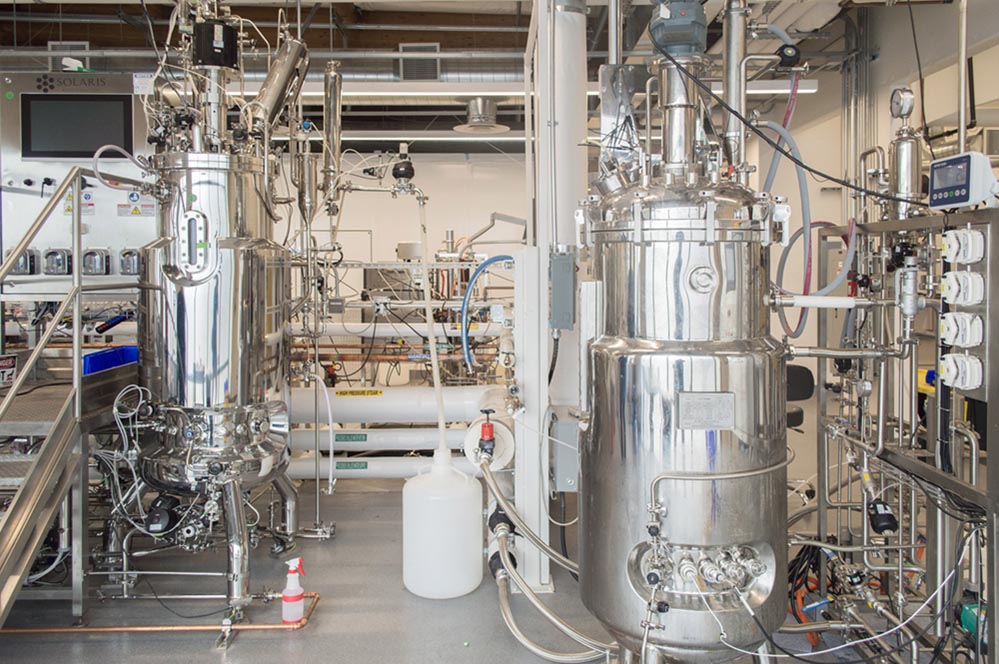
To tackle the issue, the researchers designed a two-stage fermentation system that targeted odor-causing compounds more effectively than traditional single-stage methods.
In the first stage, the team introduced Lactobacillus plantarum, a beneficial bacterium commonly used in food fermentation. The microorganism began breaking down compounds responsible for undesirable smells during initial fermentation.
In the second stage, the researchers applied a traditional yogurt culture containing bacteria known for developing and modulating desirable aromas, completing the fermentation process and further reducing off-notes.
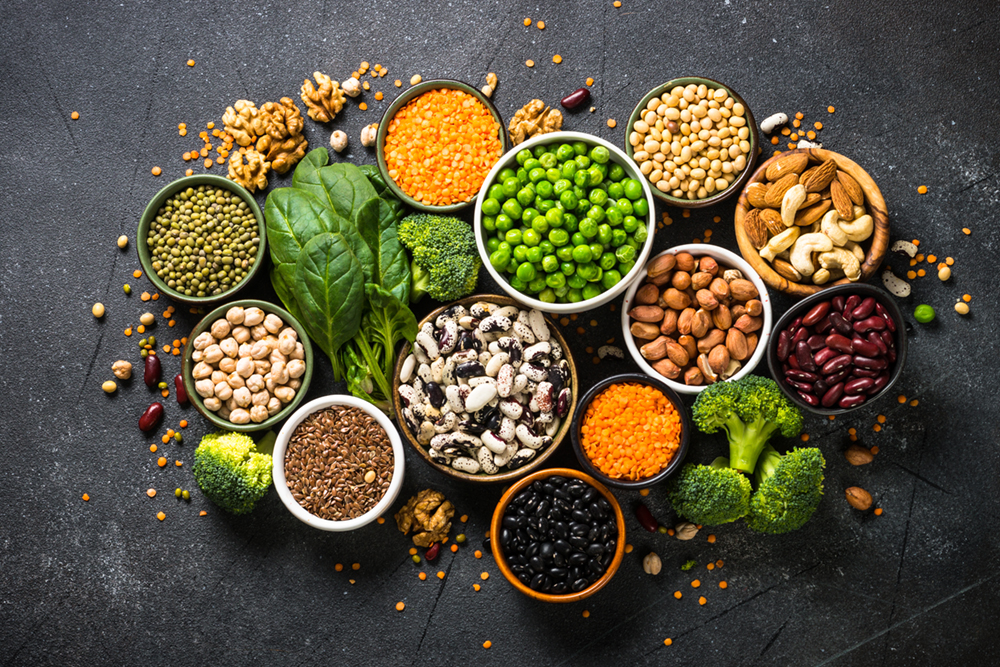
The method was tested on solutions containing eight different plant proteins: 9% soy, pea, chickpea, mung bean, faba bean, rice, barley-rice and hemp. Human sensory evaluation showed consistent and often near-complete odor reduction across all samples.
Lead author Manpreet Kaur, a PhD student in food science and technology at Ohio State, said the additional step did not introduce manufacturing complexity.
“We are using the same things that are used in the normal fermentation process,” Kaur said. “The only thing changed is how we utilize the bacteria.”
Successful fermentation typically takes anywhere from a few hours to a full day, depending on the product. According to the researchers, incorporating the second stage does not significantly extend production time or increase cost, suggesting the method could be commercially viable.

The team also examined how additional ingredients affected the process. They found that allulose, a naturally occurring sugar, enhanced the activity of Lactobacillus plantarum. Strawberry preserves improved the performance of the yogurt culture during the second stage. In contrast, non-fermentable additives such as pectin, xanthan gum and oil had only minimal effects on odor reduction.
Beyond improving consumer appeal, the researchers said the work contributes to broader efforts to support sustainable and health-conscious food systems. Plant-based proteins are compatible with vegan and lactose-intolerant diets and are widely viewed as a strategy to reduce environmental pressures associated with conventional animal agriculture.
Barringer said interest in this area is unlikely to slow.
“There’s a real focus on people wanting to be healthier and more environmentally conscious, and a push for plant-based products instead of meat and dairy products,” she said. “So I expect this area of research will absolutely continue to grow in the next many years.”
Charlotte Gray of Ohio State was also a co-author of the study.

Join Us At One Of Our Upcoming Events

If you have any questions or would like to get in touch with us, please email info@futureofproteinproduction.com