FDA clears beetroot red and widens spirulina use as natural food dyes gain ground

The US Food and Drug Administration has approved beetroot red as a natural food dye and expanded the permitted uses of spirulina extract, as federal regulators continued efforts to reduce reliance on synthetic, petroleum-based colorants in the food supply.
As reported by CNN, the agency said the latest approvals brought the total number of natural colors authorized during the current administration to six, marking another step in its broader push to replace artificial dyes with plant- and algae-derived alternatives.
• The FDA approved beetroot red as a food color additive and expanded the allowable uses of spirulina extract across most human foods, excluding infant formula and certain USDA-regulated products.
• Products containing natural dyes could now be labeled “no artificial colors,” a change intended to help consumers distinguish between synthetic and naturally derived colorants.
• The approvals formed part of a wider federal effort to phase out synthetic food dyes from the US food system by January 2027.
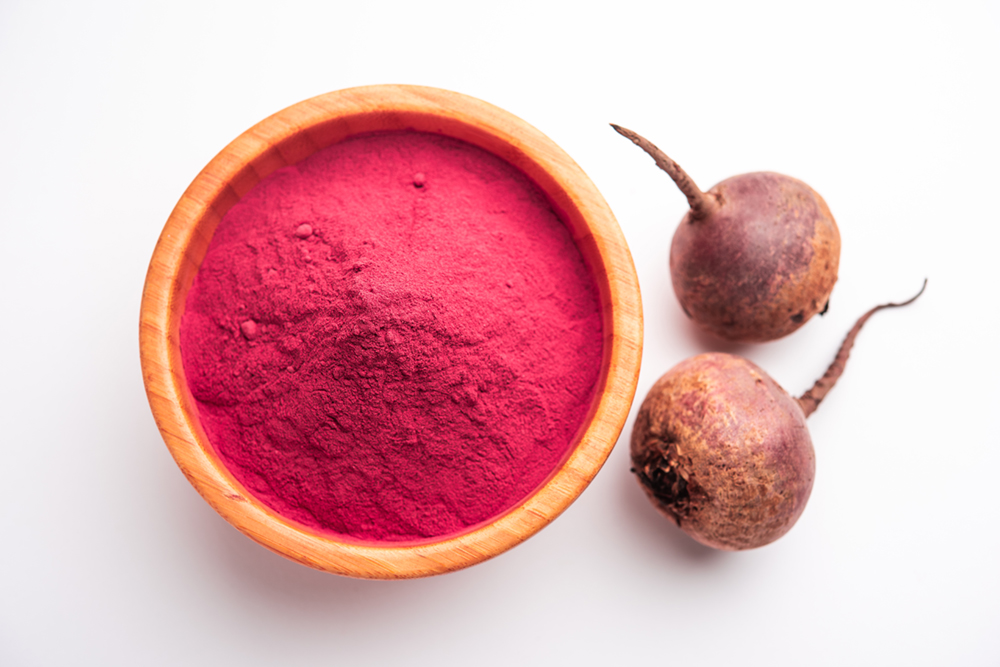
Beetroot red, approved in both liquid and powder form, produced reddish-purple hues and joined a growing list of naturally sourced colors cleared for commercial use. Spirulina extract, a blue-green powder or liquid derived from the cyanobacterium Arthrospira platensis found in oceans and salty lakes, had already been permitted in a range of food and beverage products, including candy, chewing gum, frosting, some dairy products, cereals, condiments, and alcoholic and nonalcoholic drinks.
Under the latest FDA action, spirulina extract could now be used more broadly across human foods, with the exception of infant formula and certain products subject to inspection by the US Department of Agriculture.
The FDA also announced a labeling change that allowed products containing natural dyes to carry the claim 'no artificial colors'. Previously, manufacturers generally could only make that claim if no added dyes were used at all.
“This is real progress,” US Department of Health and Human Services Secretary Robert F. Kennedy Jr said in a news release. “We are making it easier for companies to move away from petroleum-based synthetic colors and adopt safer, naturally derived alternatives. This momentum advances our broader effort to help Americans eat real food and Make America Healthy Again.”
Synthetic dyes remained widely used across the US food system. The most common included red dyes Nos. 3 and 40, yellow dyes Nos. 5 and 6, and blue dyes Nos. 1 and 2. Research has linked some of these dyes to increased health risks, including cancer and neurobehavioral effects in animals and children, although evidence varied by compound and exposure level.
“Artificial dyes dominated because they are cheaper, more heat- and shelf-stable, and easier to standardize in ultra-processed foods,” Dr Wesley McWhorter, a registered dietitian and spokesperson for the Academy of Nutrition and Dietetics, said in an email to CNN. “But those manufacturing advantages do not imply they are healthier or necessary, which is why many whole food-oriented brands have moved back toward plant- and algae-based color sources.”
Momentum against synthetic dyes has been building at the state level for several years. California banned red dye No. 3 statewide and prohibited six other commonly used dyes from school foods, with the laws set to take effect on January 1, 2027, and December 31, 2027. The FDA itself banned red dye No. 3 in January 2025.
Since then, 26 other states introduced legislation that would ban, restrict, or require labeling for artificial colorants. Some of those measures had already been signed into law, while others remained under consideration. States including Arkansas, Texas, and West Virginia said their efforts were inspired by Kennedy.
In April, the FDA said it would work with the food industry to phase out synthetic dyes more broadly. Several major manufacturers, retailers, and restaurant chains announced commitments to remove artificial colors from their products, including Kraft Heinz, General Mills, WK Kellogg Co., The Campbell’s Company, PepsiCo, Nestle, The Hershey Company, Utz, In-N-Out, Walmart, and Sam’s Club.

The agency said it wanted synthetic dyes eliminated from the US food system by January 2027. Until then, consumers could identify products containing artificial dyes by reading ingredient lists, where they appeared under names such as FD&C Red No. 40 or tartrazine. Dyes listed with the word “lake” indicated water-insoluble versions used in oily or low-moisture foods.
The beetroot red approval followed a petition submitted in November 2023 by Phytolon, a natural colors manufacturer based in Israel. Blue-to-brown colorants produced from juiced, powdered, or dehydrated beets were already approved for use in foods.
“Beet-based coloring has a long culinary history and has been regularly used in modern food systems for decades,” McWhorter said.
The expanded approval for spirulina extract followed a petition filed in July 2024 by GNT, a plant-based colors manufacturer based in Dallas.
Although synthetic dyes have been studied more extensively, experts said research into both artificial and natural food colorants remained limited.
“Natural doesn’t automatically mean something is safe to eat,” Dr Marion Nestle, the Paulette Goddard Professor Emerita of Nutrition, Food Studies and Public Health at New York University, said in an April interview with CNN, adding that it was “hard to believe” plant-derived colors used in small quantities would pose harm to the general population.
“The primary risk discussed in research relates to contamination in poorly controlled spirulina products rather than regulated food uses,” McWhorter said.
Spirulina consumed as a whole food or supplement contained protein, copper, iron, antioxidants, and B vitamins, according to registered dietitian Julia Zumpano of the Cleveland Clinic. However, McWhorter said the extracts used for coloring provided no meaningful nutrition because of the small amounts used and the effects of processing.
In 2025, the FDA also approved or expanded the use of four other natural dyes: Galdieria extract blue, butterfly pea flower extract, calcium phosphate, and gardenia blue.
“Regardless of dye choice, health outcomes are driven far more by consuming a fiber-rich, balanced diet around whole foods, including lean proteins, vegetables, and healthy fats, than by the color of the food itself,” McWhorter said.

Join Us At One Of Our Upcoming Events

If you have any questions or would like to get in touch with us, please email info@futureofproteinproduction.com