
MATR Foods opens 4,000-metric-ton fermentation plant in Denmark

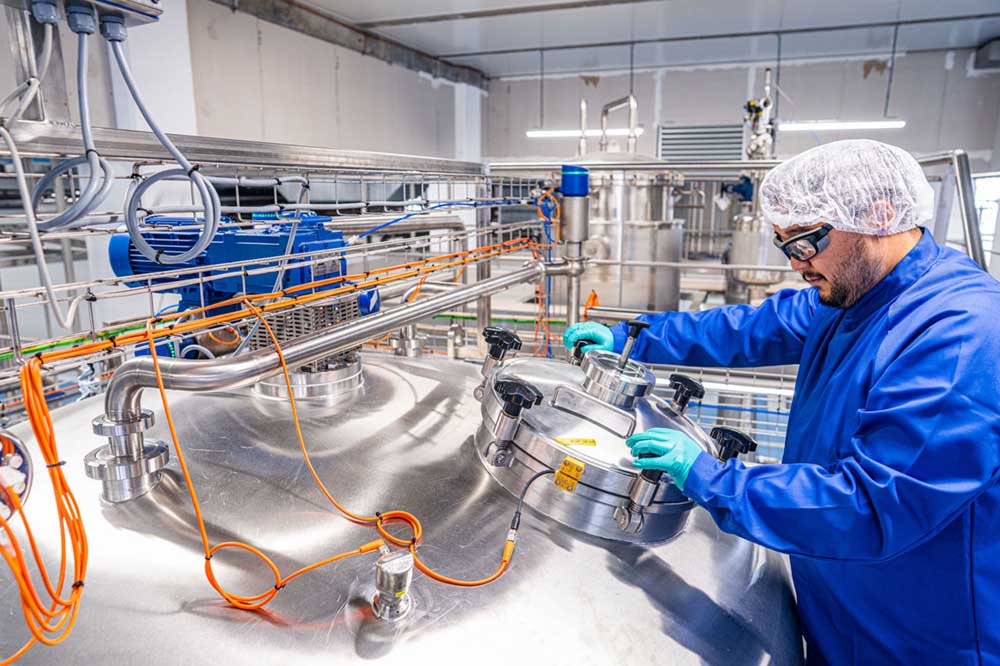
MATR Foods opened its first commercial-scale factory in Skovlund, western Denmark, on November 20. The plant can make up to 4,000 metric tons a year, according to trade reporting, giving the Danish company room to supply retailers and foodservice operators in Denmark, Germany and Switzerland.
- The new site moves the company from smaller-scale production in Copenhagen to an industrial plant in West Jutland dedicated to products made using fungal fermentation.
- Capacity includes patties, blocks and mince. Co-founder and CEO Randi Wahlsten told AgFunderNews the company expects the ramp-up to take until 2028.
- MATR plans to sell branded products through retail and supply foodservice, with the new factory giving both channels access to a larger production base.
The factory opening advances a project that was previously visible through financing announcements and construction updates. Local economic development organization ProVarde reported attending the opening in Skovlund. The site is near Ansager in the municipality of Varde and follows production at the company’s former fish-factory site in Nordhavn, Copenhagen.
“We do not expect to be at full capacity until 2028,” Randi Wahlsten, co-founder and CEO of MATR Foods, told AgFunderNews. The timetable matters to customers weighing larger orders. The nominal capacity measures what the site can handle once it is up to speed, while actual output will depend on how quickly MATR ramps production. The company did not give a verified current utilization figure in the sources reviewed.
MATR produces its meat alternatives using solid-state fungal fermentation. It works with ingredients including peas, lupins, beets, potatoes and oats, using the fermentation step to bind the ingredients and contribute flavor. The resulting material can be sold in several forms. A block gives a foodservice kitchen greater freedom to cut or prepare it, while patties and mince fit recipes and product ranges that buyers already handle.
Solid-state fermentation gives the company a way to work with whole agricultural ingredients. MATR’s product starts with a mix of vegetables, legumes and grains. As the fungus grows through that material it helps bind the pieces together. That makes control of the fermentation important to the finished texture. The recipe for a foodservice block and the shape of a retail patty can differ, but both depend on the factory consistently producing a base that holds together.
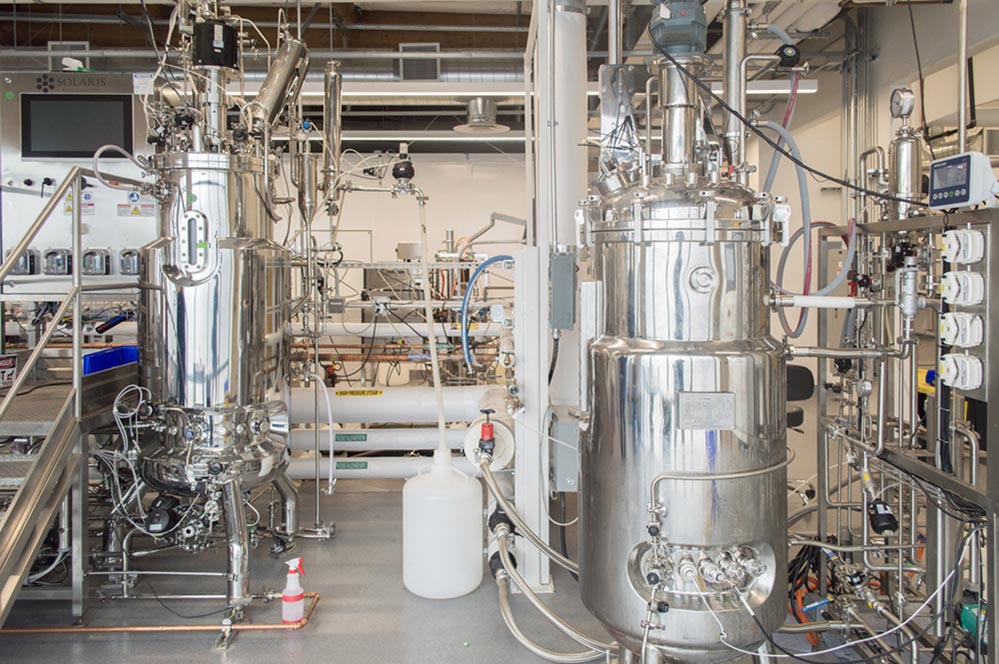
The European Investment Bank’s appraisal described fitting the installation into an existing building already approved for food production. It distinguished that work from a research program to improve the production technology and develop products at existing Danish facilities. The plant assessment also said the installation would process locally available crops. Its food production history made the building a starting point for the project. The equipment and operating process still had to suit an industrial fermentation plant.
The company has said it uses legumes and root vegetables alongside grains such as oats. For a buyer, the practical tests include how well the product portions and how it holds up during cooking. MATR will need to reproduce those characteristics at the plant using the crops available across the year.
Wahlsten told AgFunderNews the company intends to sell under its own brand in retail and is concentrating its efforts there. The company also sees foodservice as a route for introducing the products to people before they choose what to buy for home. The planned retail and foodservice mix means one plant will serve buyers with different specifications, order patterns and packaging needs.
The opening follows the funding round PPTI covered in 2025, when MATR said it needed capital to increase output and expand in Europe. Novo Holdings had previously invested in the company, and the European Investment Bank disclosed a loan for research, development and the construction and operation of a plant. The opening is the first visible result of those investments at industrial scale.
An earlier European Investment Bank assessment described a facility with capacity of 3,500 metric tons per year. The figure reported at opening was up to 4,000 metric tons. The earlier number was a project estimate, and neither figure establishes how much the new site is making today. The bank’s assessment also envisaged sending material recovered from wastewater treatment and other organic waste to a biogas plant. That describes the plans at appraisal, before the plant opened.
Wahlsten told AgFunderNews that private-label products are outside the company’s current plans. Retail customers will see the products under the MATR brand.
The financing history helps explain the time between the first disclosures and the opening. The bank announced support for the plant in 2024. By the 2025 funding round, the company was discussing a wider European rollout as well as the need to make more product. The opening gives the company manufacturing space to pursue both. The ramp-up means the increase in supply will come in stages.
MATR has named Denmark, Germany and Switzerland as its initial markets. It has yet to disclose how much of the plant’s first-year output is committed to customers.

Join Us At One Of Our Upcoming Events

If you have any questions or would like to get in touch with us, please email info@futureofproteinproduction.com