
Aston University tests bee-free honey alternative for antibacterial activity

Aston University researchers found that a modified bee-free honey alternative could stop the growth of a drug-resistant bacterium in laboratory tests. The team started with Vegan Honea, an existing retail product from UK company Plant Based Artisan, and used it as the base for experimental formulations. The findings appeared in PLOS One on September 10, with Aston announcing the work on October 15.
- Aston researchers used a commercial bee-free sweetener as a base to test whether properties associated with medical honey could be reproduced without ingredients from bees.
- Some modified samples inhibited or killed Mycobacterium abscessus in laboratory tests. The unmodified sweetener did not completely stop the bacterium’s growth under the conditions tested.
- The study tested one bacterial strain in the laboratory. The team identified wound care as a possible direction for future research and reported no patient testing.
Victoria C. Nolan, James Harrison and Jonathan A. G. Cox looked at whether an alternative designed to resemble honey as a food could also serve as a base for studying honey’s antibacterial activity. They chose Vegan Honea because it already mimics the consistency and sweetness of conventional honey. Its base contains sugar, inulin and apple juice, alongside ingredients including lemon juice and molasses. That gave the team a ready-made starting point for comparing the properties of the original sweetener with those of its experimental versions.
The distinction between the two versions matters. The laboratory results came from samples the researchers altered for the study. The scientists used the retail product on its own as a comparison and found it did not completely inhibit growth. Their experiments also separated two outcomes. Stopping a bacterial culture from growing and killing bacteria in that culture are different findings. The authors reported both outcomes for some of the modified formulations.
Mānuka honey gave the researchers a reference because its antibacterial activity has been studied and its chemical composition can vary. In the PLOS One paper, the authors identify methylglyoxal and hydrogen peroxide as contributors to the activity they observed in the modified samples. For researchers designing ingredients, the value of the approach is that it lets them look at which components matter for a particular function. A sweetener can imitate honey’s physical properties without automatically reproducing its biological activity.
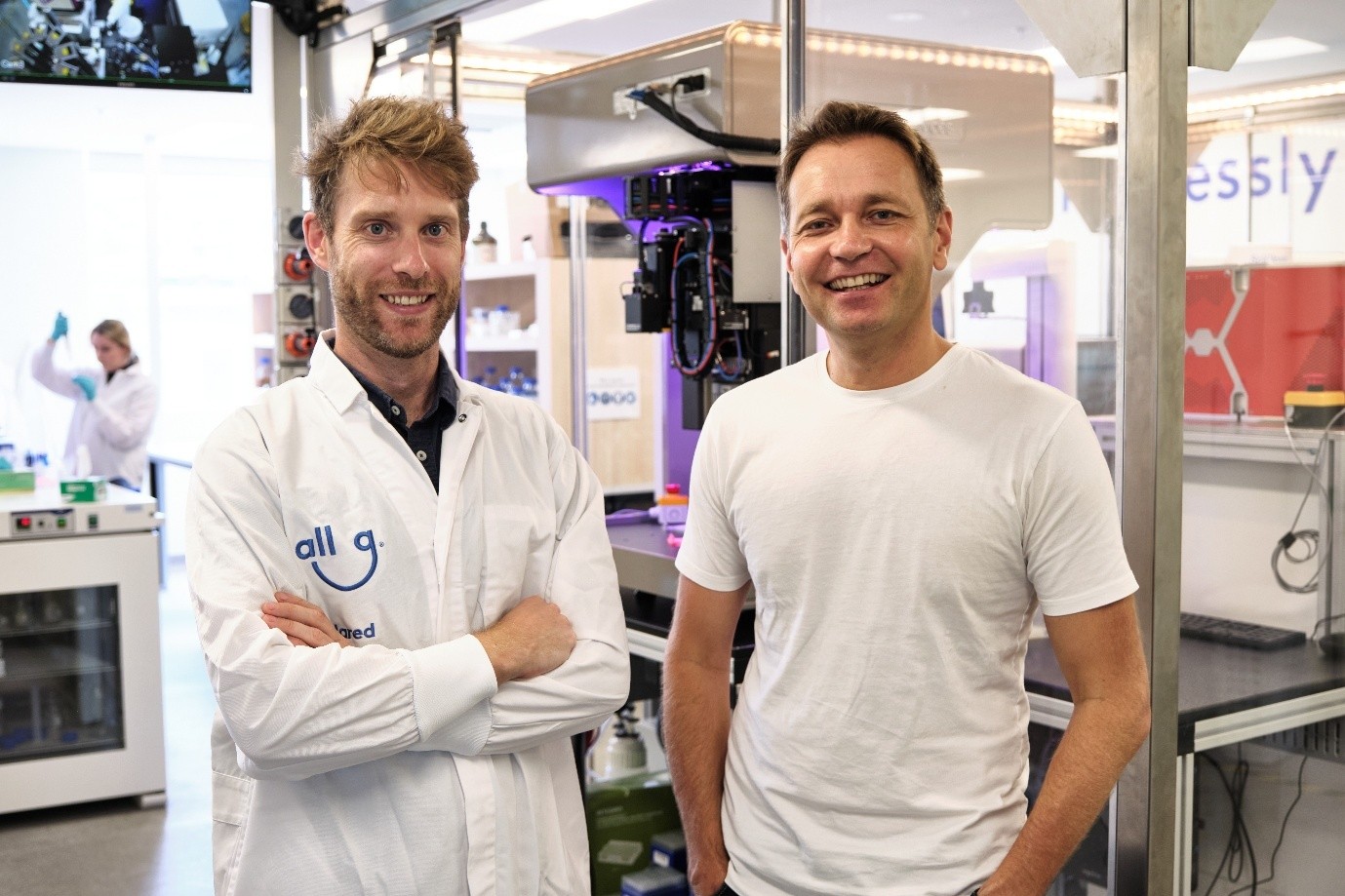
“The work also provides insight into how natural honey functions,” said Cox, a senior lecturer in biosciences at Aston. The university said the team wants to refine the formulations and study how their components work together. Cox also pointed to testing against other bacteria as a possible next step. The study used one laboratory strain of M. abscessus, so the results apply to what the researchers tested and give no measure of how a formulation would perform in a patient.
In its announcement, Aston identified wound care and other topical uses as longer-term research possibilities. Those applications would raise different development questions from those facing a sweetener sold for cooking or as a topping. A company selling a food can compare flavor, viscosity and performance in recipes. Evaluating a candidate for wound care would require separate evidence about safety and performance for the intended use. The study reported laboratory antibacterial activity and did not evaluate wound healing.
Other bee-free sweeteners illustrate how different those design goals can be. In an interview with PPTI, Mindful FÜD Co-founder & CEO Venessa Stonehouse described developing a honey-style sweetener from surplus apples. She cited matching familiar flavor and making a smooth product that resists crystallizing as commercial challenges. Aston’s team used a different approach and was investigating a different property. Its work shows how an existing food ingredient can provide a starting point for research into a specific function.
The authors reported no competing interests. Aston said the next stage would be to better understand which factors drive the activity and whether the findings extend beyond the bacterium examined in the paper.
(Main photo courtesy of Adam Bezer / Unsplash)

Join Us At One Of Our Upcoming Events

If you have any questions or would like to get in touch with us, please email info@futureofproteinproduction.com