

Price remains the biggest hurdle for alternative proteins, major Lancet review finds

The price of most alternative proteins remains a major obstacle to widespread consumer adoption, according to a comprehensive new review published in The Lancet Planetary Health, which concludes that only traditional plant-based foods such as legumes and tofu currently offer a cost-competitive alternative to animal-source foods.
• Researchers reviewed 76 studies examining the prices and production costs of alternatives to animal-source foods published since 2000.
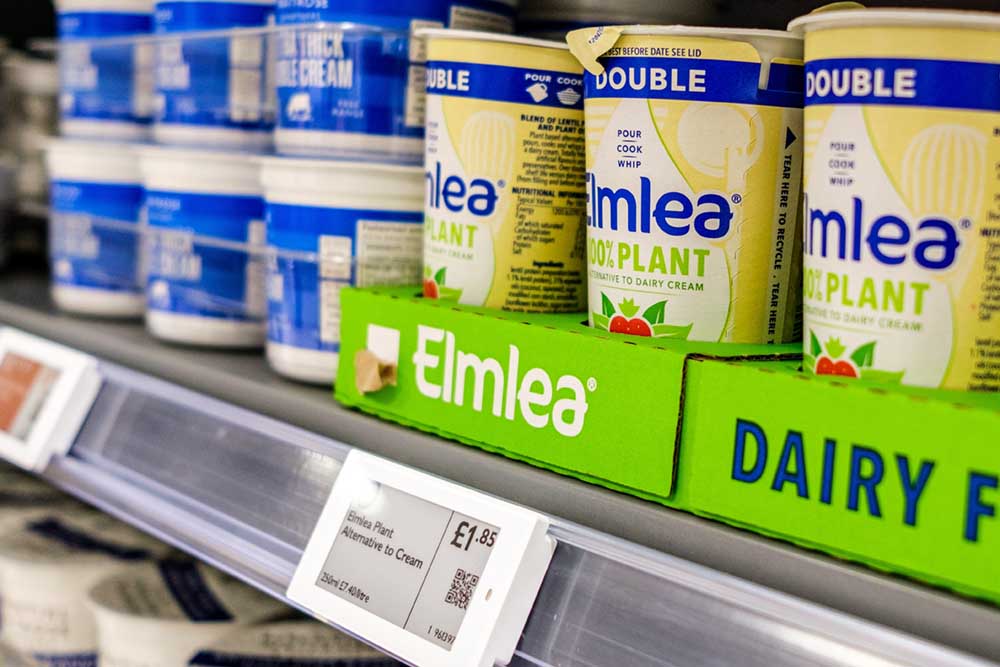
• Plant-based meat and dairy alternatives averaged around two times the retail price of their conventional counterparts, while cultivated and algae-based products remained substantially more expensive.
• The review concluded that legumes, tofu and other minimally processed plant-based foods remain the only alternative proteins consistently cheaper than animal products.
The review was led by Stella Nordhagen of the Global Alliance for Improved Nutrition (GAIN) in Geneva, Switzerland, with co-authors Ty Beal of GAIN in Washington, DC, Mario Herrero of the Cornell Atkinson Center for Sustainability at Cornell University in Ithaca, New York, Lynnette Neufeld of the Food and Nutrition Division at the Food and Agriculture Organization of the United Nations (FAO) in Rome, Italy, and Kristina Sokourenko of the Department of Global Development at Cornell University's Jeb E. Brooks School of Public Policy in Ithaca. Together, the researchers examined pricing across plant-based, insect-based, algae-based and cultivated protein categories. Most of the available research focused on high-income countries, highlighting a lack of evidence from low-income and middle-income regions, particularly outside traditional insect consumption markets.
Among commercially available products, plant-based meat analogues came closest to matching conventional meat prices, although they still carried an average price premium of 81%. Plant-based dairy alternatives performed similarly, selling for just over twice the price of conventional dairy products on average.
The researchers found that plant-based meat products typically ranged from near price parity to more than four times the price of comparable meat products, depending on the market and product category. Dairy alternatives showed a similar pattern, with particularly high premiums observed in lower-income markets such as Kenya.
By contrast, traditional plant-based proteins consistently emerged as the most affordable options.
Minimally processed legumes were found to cost only around 18% as much as comparable animal-source foods, while traditional soy products such as tofu and tempeh were approximately half the price of meat equivalents. Nuts were also generally less expensive than animal proteins.
The authors argue that price is unlikely to be the primary barrier preventing greater consumption of these foods. Instead, they suggest consumer familiarity, convenience and acceptability play a larger role.
The picture was far less encouraging for emerging protein technologies.
Cultivated meat, despite years of technological progress, remains well short of mass-market affordability. The review notes that the first cultivated hamburger produced in 2013 cost US$325,000 to make, equivalent to around US$2.3 million per kilogram. Although production costs have fallen dramatically since then and limited commercial sales have begun in several countries, most economic models still project cultivated meat will remain considerably more expensive than conventional meat for the foreseeable future.
Across the studies reviewed, projected cultivated meat prices ranged from roughly half the price of conventional beef to 36 times higher, with the average estimate sitting at around nine times the cost of beef.
The authors identified cell culture media as the single largest production expense, accounting for up to 95% of manufacturing costs in some analyses. Other major cost drivers include bioreactors, energy consumption, labor and capital investment.
While researchers expect further technological improvements to reduce costs, the review notes that achieving true price parity remains highly uncertain and will depend not only on technical advances but also regulatory support, investment and production scale.
Algae-based foods face similar economic challenges.
Current products were found to cost between 32 and 85 times more than comparable meat on a weight basis, although one modelling study suggested future production could substantially reduce that gap. High energy requirements, cultivation systems, drying processes and specialized equipment all contribute to current production costs.
The review cautions, however, that direct kilogram-for-kilogram comparisons may overstate the price disadvantage for algae because consumers typically consume relatively small quantities.
Insect proteins presented perhaps the most complex pricing picture.
Prices varied enormously depending on geography, species and production method. In regions where edible insects have long been part of traditional diets, some species were cheaper than conventional meat while others were considered luxury products commanding exceptionally high prices.
In higher-income countries, however, insect-based foods generally remained niche products carrying substantial premiums, often because of limited production scale, high ingredient costs and relatively small consumer markets.
The review suggests automation, improved farming systems, optimized feed and larger production volumes could reduce costs over time.
Beyond comparing retail prices, the authors also examined broader modelling studies exploring how dietary shifts might affect household food spending.
Several studies found that replacing animal products with minimally processed plant proteins could reduce overall diet costs. One US study estimated replacing beef with plant proteins lowered diet costs by between 1.4% and 5.5%, while replacing all meat reduced costs by up to 10.5%.
Similarly, modelling from New Zealand found diets based on minimally processed plant foods were around 7% cheaper than current eating patterns, whereas diets relying heavily on ultra-processed meat alternatives became slightly more expensive.
Across multiple countries, replacing animal products with unprocessed plant foods generally reduced overall food costs, while replacing them with processed alternatives increased them.
The review also highlighted major gaps in existing research.
Nearly four-fifths of geographically focused studies examined high-income countries, while only a handful looked at low-income countries. Most research in developing economies focused exclusively on insects, leaving relatively little evidence on the affordability of plant-based, algae-based or cultivated protein products in those markets.
The authors also noted that almost no studies examined affordability relative to local purchasing power, despite affordability being more meaningful than absolute price when assessing access to nutritious foods.
Looking ahead, the researchers argue that lowering costs for novel protein technologies will require continued technological innovation alongside policy measures such as research funding, supportive regulation, subsidy reform and potentially carbon pricing or true-cost accounting.
However, they conclude that one category already offers an affordable path toward reducing reliance on animal proteins.
"Price is unlikely to be the main barrier to increased consumption of legumes and other traditional plant-based Alt-ASFs; however, it could be a major constraint to the large-scale uptake of other Alt-ASF products," the authors wrote. "Considerable potential is seen for promoting legumes and other 'traditional' plant-based foods as more sustainable alternatives to ASFs across both HICs and LMICs alike, as these foods are relatively low cost, in addition to being widely accessible, nutritious, and with small environmental footprints."
If you liked this, check these out...
• GFI Europe: Plant-based food sales grow as price gap narrows across key markets
• Simon Fraser University study finds price alone isn’t driving plant-based protein purchases in Canada and Finland
• Tesco data shows plant-based mince undercuts meat as UK prices rise

Join Us At One Of Our Upcoming Events

If you have any questions or would like to get in touch with us, please email info@futureofproteinproduction.com



.jpg)
.jpg)
