
Solar Foods research partners target on-site hydrogen for microbial food

The Technical University of Munich has detailed how it is trying to make hydrogen directly where microbes need it to produce food ingredients. The November 19 update describes the university’s contribution to SOLARSPOON, a Cambridge-led collaboration that includes Solar Foods and aims to use sunlight to power a more self-contained production system.
- Solar Foods joined SOLARSPOON in September 2025. The new university update explains how Munich researchers are tackling the oxygen sensitivity of enzymes used to make hydrogen.
- The consortium wants to reduce reliance on external hydrogen supplies. Its research includes the possibility of making both protein and fats from microbial systems.
- The European Commission lists a prototype efficiency target and an October 2029 project end date. The consortium has yet to announce a commercial installation.
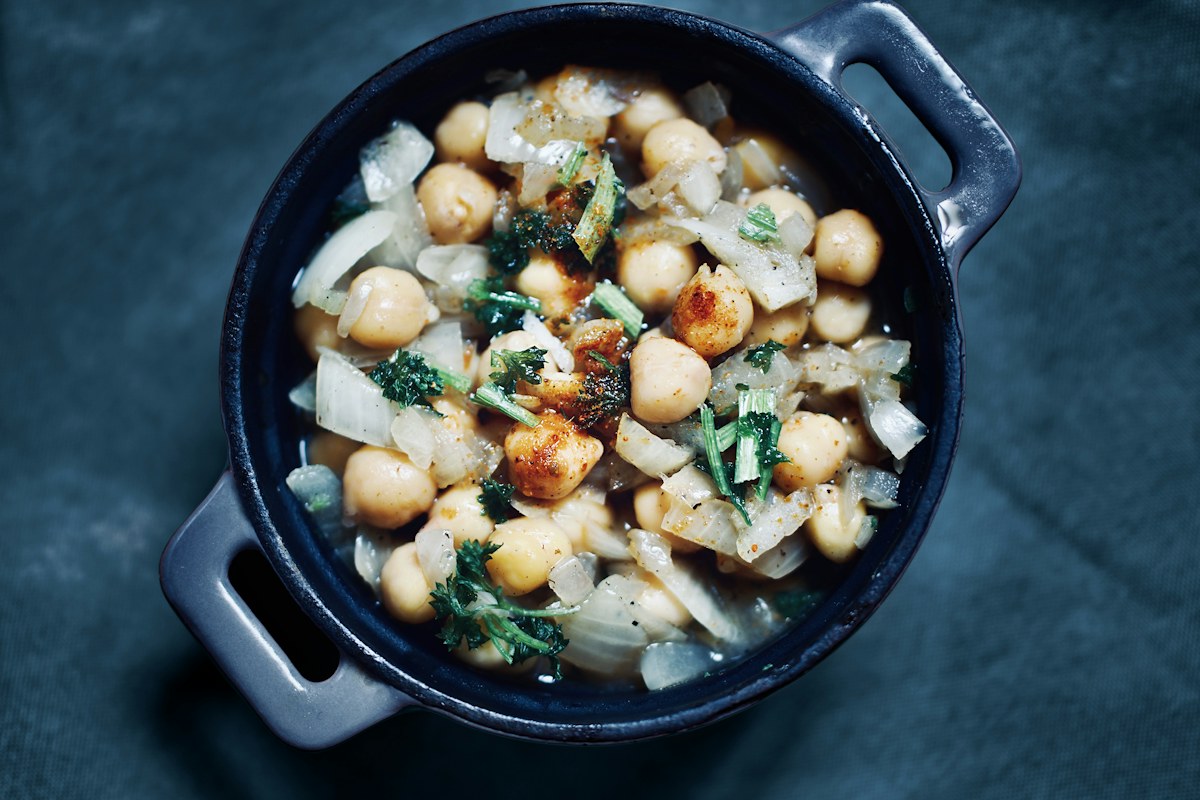
Solar Foods already uses a microbe that can grow on carbon dioxide and hydrogen to produce Solein, its protein-rich food ingredient. SOLARSPOON starts from a different question. Could a production system obtain the hydrogen it needs directly from light where the microbes are grown? That would make the hydrogen supply part of the manufacturing system itself.
A hydrogen supply normally has to be generated and delivered to the point of use. The consortium’s proposal is to draw on sunlight at the site and integrate hydrogen generation with the organisms that use it. The intended advantage is most relevant where connecting to a large power or supply network is difficult. An isolated installation would still need to demonstrate that it could run reliably enough to produce a consistent food ingredient.
The comparison is with the equipment that would otherwise make the hydrogen. A food production unit can use electricity to make hydrogen in an electrolyzer and pipe it into a bioreactor. The researchers want to find out whether parts of those two jobs can be carried out within a single device driven by light. Solar Foods described the possibility of combining the electrolyzer and bioreactor when it joined the project. The November update gives some insight into how the consortium is approaching that integration.
The wider project includes a second role for microbes. The European Commission’s description envisages using photosynthetic organisms as part of a device alongside microbes that make food material. The project is intended to draw raw materials from air and water. An experimental system can show that these pieces work together. A usable production unit would also have to deliver an ingredient with repeatable quality over time.
The Munich team works with enzymes called hydrogenases, which can produce hydrogen but can lose activity when exposed to oxygen. The university said its researchers are working to integrate a protective film into the proposed system. The aim is for the enzymes to stay useful long enough for the process to operate efficiently. The university’s update describes ongoing integration work.
Nicolas Plumeré, professor of electrobiotechnology at the Technical University of Munich, said, “With some modifications, the process could be used to process not only proteins but also fats from components of ambient air.” Lipids would give the consortium a second class of ingredient to investigate. The team is studying what the system can make before it can answer how much of it could be produced.
The University of Cambridge leads the consortium, which also includes the Technical University of Denmark and Imperial College London. The European Commission’s project record sets out a prototype target of 1% solar conversion efficiency in its project description and lists an end date of October 31, 2029. Those are project parameters. The November update does not announce that the target has been met.
The university’s sustainability team is assessing how much energy the process could use and how it might scale. The consortium has described remote research stations as one possible setting for a system that could generate its own hydrogen.
The European Innovation Council is backing the project through its Pathfinder program, which funds early-stage research. The Commission lists November 1, 2025 as the start date. That puts the Munich update about a year into a four-year research program. The partners have yet to report how much usable food material a unit could produce over a day of operation or how that output would change in periods of weaker light.
Solar Foods has been making Solein at Factory 01 since spring 2024, according to the company. That gives the consortium an industrial partner familiar with gas fermentation and the requirements of making a food ingredient. Whether the sunlight-driven system could serve the same markets as an established fermentation plant is an open question. The remote applications the university describes may call for smaller volumes and different equipment.
PPTI recently reported on the positive European Food Safety Authority opinion for Solein, Solar Foods’ existing ingredient. The Munich update describes work on a research prototype. It gives no date for an installation or a product made with the new system.
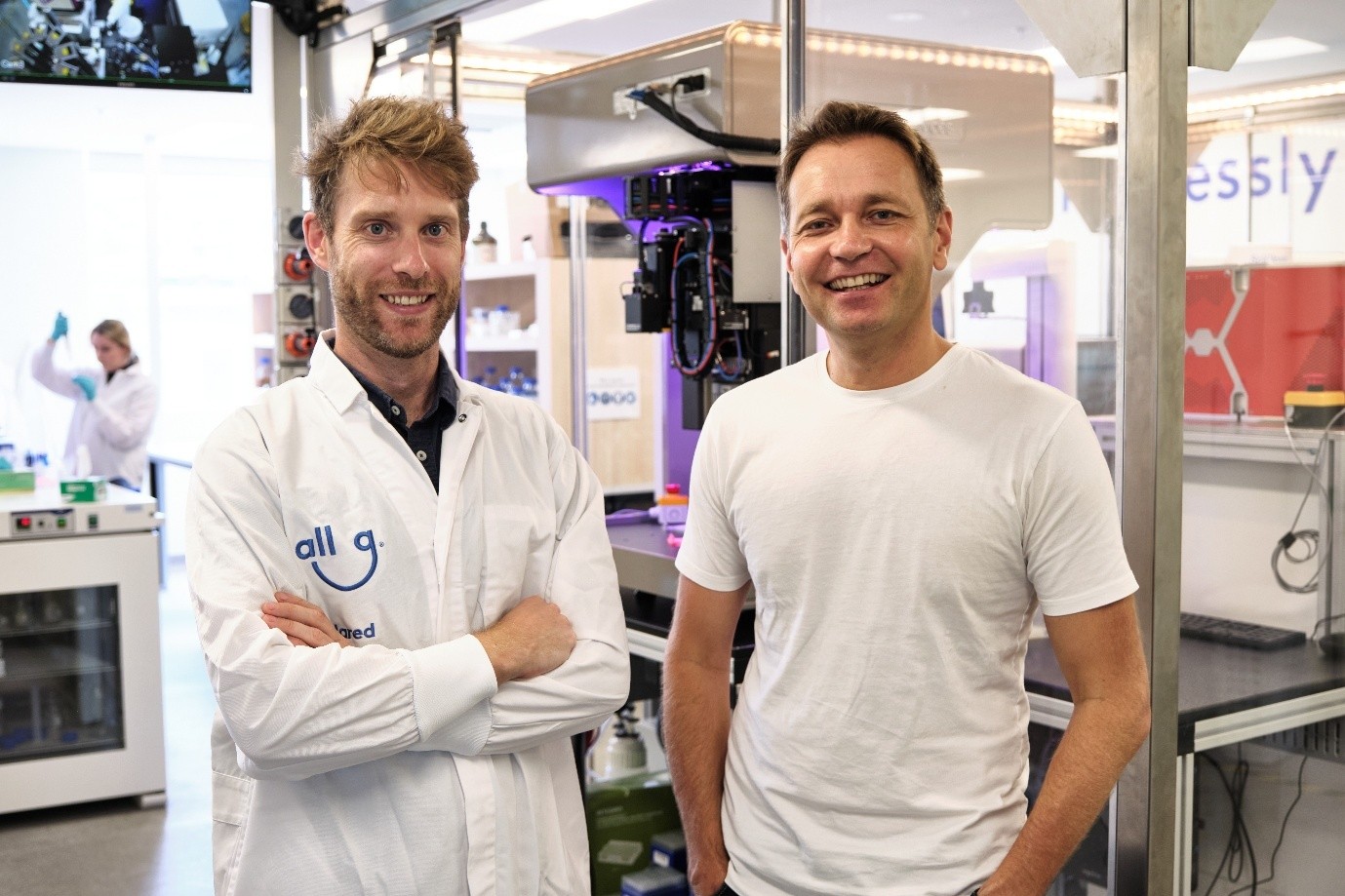
(Main photo courtesy of Solar Foods)

Join Us At One Of Our Upcoming Events

If you have any questions or would like to get in touch with us, please email info@futureofproteinproduction.com