ProVeg Australia calls for plant-based lunch campaign ahead of dietary guidelines

ProVeg Australia is calling for a national campaign to encourage plant-based lunches and greater public investment in alternative proteins. The proposals follow new modeling by Bryant Research that estimated the emissions and grocery costs associated with changes to Australians’ diets.
- The scenario covered a nationwide change to lunches. News reports put the modeled reduction at 29% of annual dietary emissions, or about 15.4 million metric tons.
- ProVeg’s proposals include a public campaign, a strategy for diversifying protein sources and greater use of procurement to build demand for Australian plant proteins.
- Australia’s health research council expects to consult on draft dietary guidelines in December if they are approved for release. The campaign is a proposal from the report’s authors.
The modeling appeared in Australia’s Hidden Food Bill, a report by Bryant Research produced with ProVeg Australia and covered by Australian and trade media on November 23. According to the published accounts, the researchers compared the average diet with scenarios ranging from eating plant-based one day a week to switching all meals.
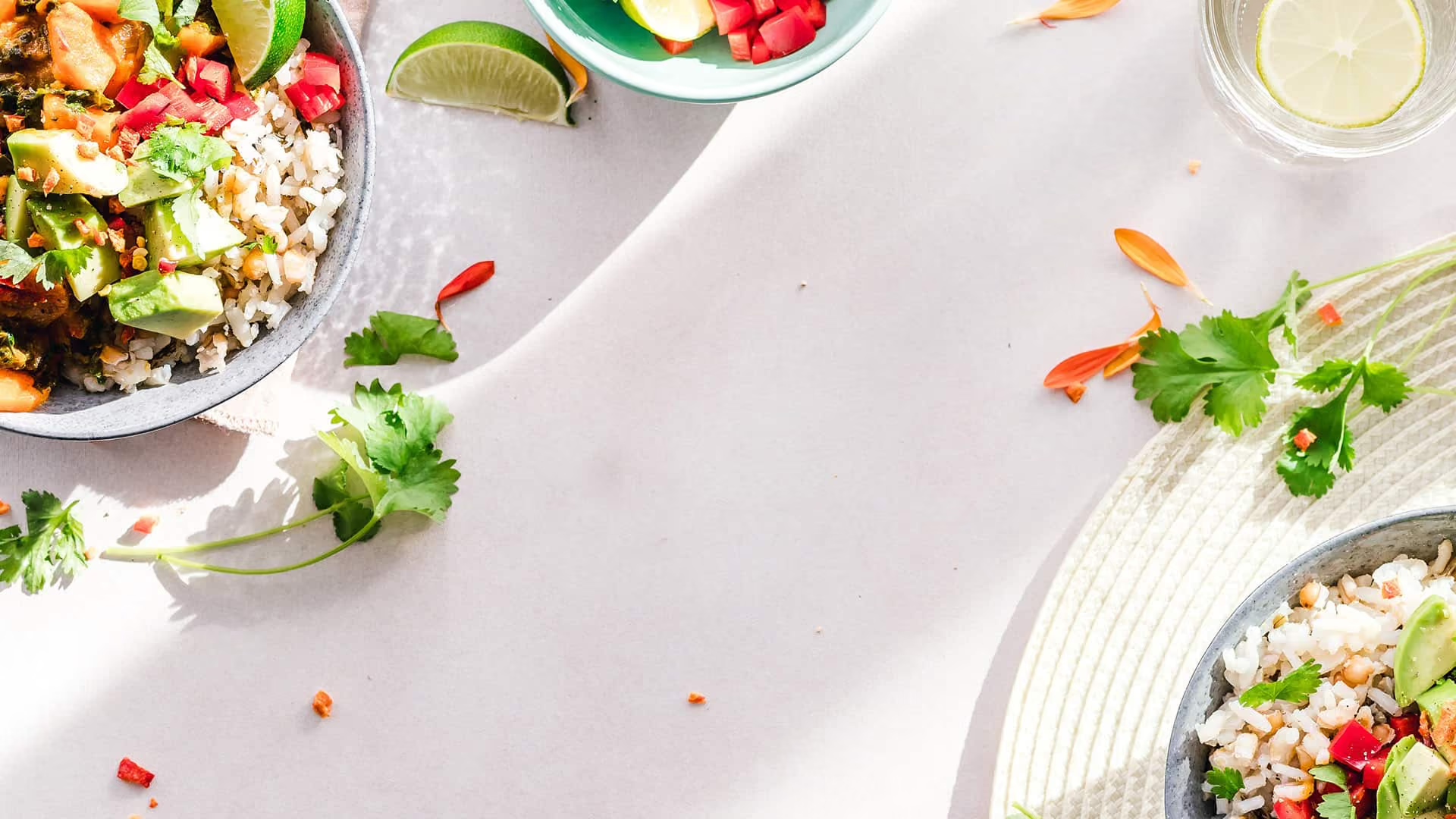
Choosing lunch gives the proposal a specific point of intervention. The report’s authors are asking the Australian government to promote familiar foods such as vegetables, pulses and whole grains through a public campaign. An approach centered on one meal offers an easier instruction to communicate than asking people to rethink everything they eat. The emissions estimate, however, is the result for a modeled nationwide shift. Actual reductions would depend on what people ate and how widely the change was adopted.
The accounts of the report also describe modeled savings on food purchases. The amount a household could spend would depend on what it put into the replacement lunch and the local prices of those foods. The public reporting points to a change in a dietary pattern, a broader question than whether a packaged alternative costs more or less than the product next to it on a shelf.
Green Queen’s account describes the proposed campaign as drawing on Go for 2&5, an earlier Australian effort to encourage people to eat more fruit and vegetables. In the new proposal, the authors give particular attention to the ingredients people already know how to use. That would give growers, retailers and caterers a concrete set of foods to put in front of customers. The campaign would still need a budget and a way to measure whether lunch purchases or meals had changed.
A school or hospital can specify ingredients and menus in a catering contract. The report’s authors also want retailers to report the share of plant and animal proteins they sell. Sales data could show what customers buy, but would not show how often they switch what they eat for lunch.
ProVeg also wants a national strategy to diversify protein sources. The report’s proposals include using institutional purchasing in settings such as schools, hospitals and aged care to increase demand for Australian plant proteins. For ingredient suppliers, procurement decisions could affect what a caterer buys and how consistently it buys it. The proposals do not establish new sourcing commitments or contract volumes.
Another recommendation concerns investment in research and production capacity. The authors call for support for universities and manufacturing infrastructure in areas that include alternative proteins. Any effect on suppliers would depend on how a government program is designed and where it puts money. The report is part of the policy discussion, while the spending and procurement decisions are still open.
The timing matters because Australia is updating its Dietary Guidelines. The National Health and Medical Research Council says a draft could be released for public consultation in December, subject to approval for release. That gives producers, health professionals and public buyers a separate process in which to examine the evidence on diets and sustainability. ProVeg’s lunch campaign is the organization’s proposal for how dietary advice could reach people once it is issued.
ProVeg has published a separate study on public food procurement in Europe with Bryant Research. It evaluates a change in institutional menus, where public buyers can alter what caterers serve through contracts. The Australian lunch scenario covers households as well as choices made outside the home. The two studies ask different questions even where their recommendations overlap.
The Australian Dietary Guidelines committee has been reviewing draft evidence chapters and reports supporting its recommendations. The council’s latest update said the proposed consultation would extend beyond the usual 30 days because of the volume of material and the timing over the summer holidays. It anticipates a mid-February close if the draft is released on the expected timetable. That process would give researchers, producers and public purchasers time to examine the material before the guidelines are finalized.
ProVeg’s recommendations on purchasing and food manufacturing would require decisions on how to implement and fund them. The dietary guidelines consultation has its own timetable.
(Main photo courtesy of Martin Becker / Unsplash)

Join Us At One Of Our Upcoming Events

If you have any questions or would like to get in touch with us, please email info@futureofproteinproduction.com