Typcal opens Latin America’s first large-scale mycelium fermentation plant after US$2 million raise

Brazilian food tech Typcal took a major step toward commercial-scale production in recent days with the opening of what it said was Latin America’s first large-scale fermentation plant dedicated to mycelium-based proteins. Located in Pinhais, in the metropolitan region of Curitiba, the new facility marked a milestone not only for the company but for the region’s emerging alternative protein sector.
The inauguration followed a 10 million Brazilian real investment round, equivalent to about US$2 million, raised from Brazilian investors and Belgian accelerator Biotope. Typcal said the funding enabled it to build and commission its own industrial fermentation plant, allowing the company to move beyond pilot-scale development and begin preparing for commercial production.
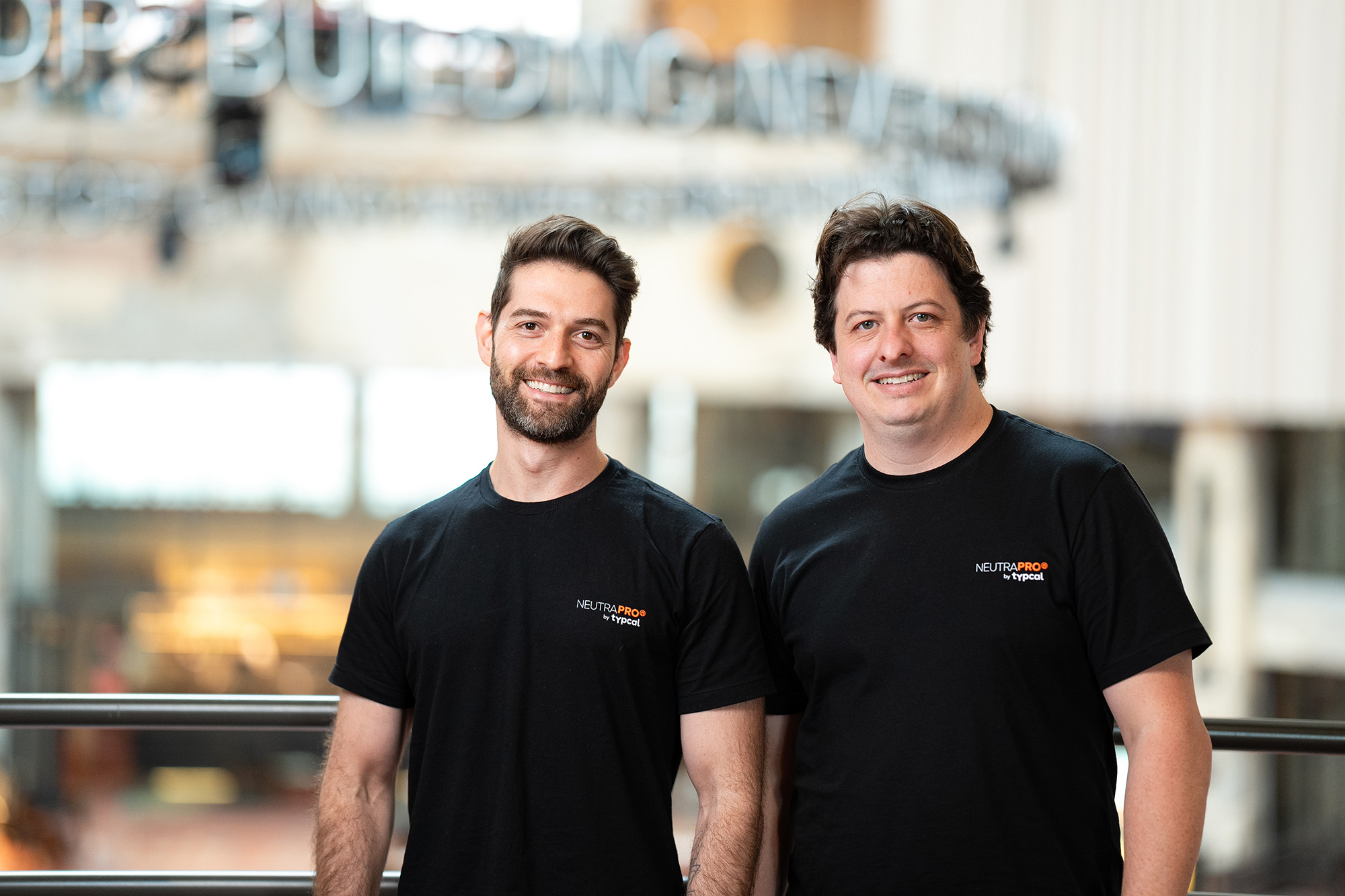
Paulo Ibri, CEO & Co-founder of Typcal, said the launch represented a turning point for the business. “Having our own plant is a game changer. It puts us among the very few startups in the world that manage to move from pilot scale to industrial scale, especially in such a challenging segment as new proteins,” Ibri said. “It is a step of pioneering, innovation, and boldness, three pillars that have always guided Typcal.”
The facility was designed with future expansion in mind, giving Typcal flexibility to scale capacity as demand grows. With the new structure in place, the company said it was now ready to begin commercial-scale production, paving the way for its first sales in Europe and Latin America starting in 2026.
Typcal focused on producing protein ingredients derived from mycelium, the root-like network structure of fungi. Mycelium-based proteins have attracted growing interest as a potential alternative protein source due to their functional properties, nutritional profile, and relatively low environmental footprint compared with conventional animal proteins.
By commissioning a large-scale fermentation plant, Typcal aimed to position itself at the forefront of mycelium ingredient manufacturing in the region. The company described the opening as a historic moment for the Latin American food industry, where most alternative protein innovation to date has remained at research or pilot scale.
The new plant enabled Typcal to integrate fermentation, processing, and ingredient development within a single industrial site. According to the company, this would accelerate both product development and market readiness, while also providing greater control over quality and cost structures.
The expansion was also closely tied to Typcal’s product roadmap. The company planned to bring two mycelium-based ingredients to market in 2026, available in both powder and fresh formats. These initial launches were expected to target food manufacturers seeking functional protein ingredients rather than direct-to-consumer products.
Beyond those first two ingredients, Typcal said it was already developing two additional mycelium-based solutions, with launches planned by the end of 2026. This pipeline approach reflected the company’s broader strategy of building a diversified ingredient portfolio rather than relying on a single flagship product.
Eduardo Sydney, CTO & Co-founder of Typcal, said the company’s focus on portfolio development set it apart globally. “We are the only company in the world that is building a portfolio of mycelium-based ingredients,” Sydney said. “We already have two mycelium ingredients ready for the market and two more in the pipeline. This reinforces not only our technological capability, but our vision for the future and our responsibility to build a more positive food system for people and for the planet.”
Typcal’s leadership said the inauguration marked the beginning of a new phase for the company, shifting its priorities from pure technology development toward manufacturing execution, market entry, and international growth. While Brazil remained central to its operations, Europe was identified as a key early export market, reflecting both regulatory readiness and demand for alternative protein ingredients.

The involvement of Biotope in the funding round underscored Typcal’s international ambitions. The Belgian accelerator, which focuses on food and biotech startups, has been active in supporting companies working on fermentation and novel protein technologies.
Although Typcal did not disclose detailed capacity figures for the new plant, it emphasized that the facility had been engineered to support incremental scale-up without requiring a complete redesign. This approach was intended to reduce capital intensity as the company expanded production volumes over time.
The Curitiba region, already known as an innovation hub within Brazil, provided access to skilled talent, infrastructure, and proximity to agricultural supply chains. Typcal said these factors were critical in enabling it to pursue industrial fermentation locally rather than outsourcing production abroad.
As global interest in mycelium-based proteins continued to grow, Typcal positioned its new plant as evidence that Latin America could play a meaningful role in the next phase of alternative protein manufacturing. The company framed its progress not just as a commercial achievement, but as part of a broader effort to develop sustainable food systems rooted in regional capabilities.
With its first industrial plant now operational and commercial launches planned for next year, Typcal said its focus would be on scaling responsibly, expanding partnerships, and proving that mycelium-based ingredients could compete on functionality, cost, and sustainability in international markets.

Join Us At One Of Our Upcoming Events

If you have any questions or would like to get in touch with us, please email info@futureofproteinproduction.com