
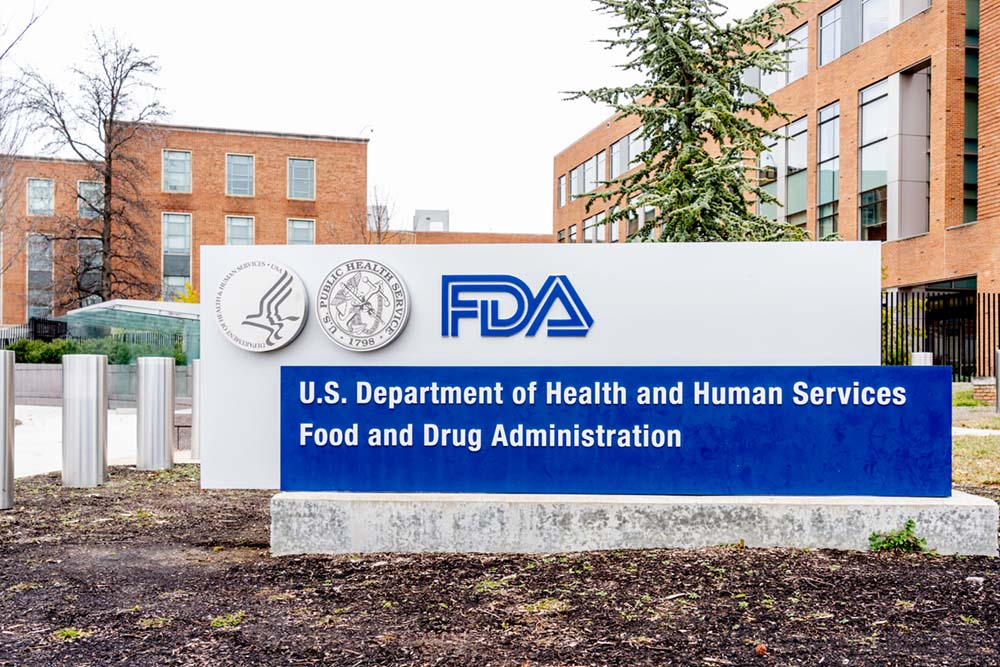
FDA proposal could reshape self-affirmed GRAS route for food ingredients

Food ingredient developers could face new reporting requirements in the USA under an FDA proposal that would make notification mandatory for companies relying on self-affirmed Generally Recognized as Safe (GRAS) conclusions.
• FDA proposed requiring companies relying on self-affirmed GRAS conclusions to notify the agency and provide information supporting their safety determinations.
• The proposal stopped short of premarket approval, meaning companies could continue marketing ingredients before FDA completed its review of submitted notifications.
• Existing self-affirmed GRAS ingredients would receive a one-year streamlined notification window, while public comments on the proposal remained open until December 9.
The proposal represents a potentially important change for developers of new food ingredients, which have historically been able to conclude independently that an ingredient is GRAS based on publicly available scientific evidence and expert review without notifying FDA.
According to an analysis by attorneys Megan E. Beebe, Tracey Gonzalez and Stevie Matheny of US law firm Husch Blackwell, the self-affirmed route has played an important role in bringing innovative ingredients to market, particularly within functional foods and beverages.
Under the proposed framework, self-affirmed GRAS would remain available, but manufacturers would be required to submit information supporting their determination, giving FDA greater visibility into ingredients entering the food supply.
Crucially, this would not amount to a premarket approval system.
Companies could continue marketing an ingredient before FDA completed its review. However, Husch Blackwell said failure to make a required notification could increase the prospect of regulatory scrutiny or enforcement action.
The proposal also includes provisions intended to deal with ingredients already commercially available through self-affirmed GRAS determinations.
Companies would have a one-year transition window in which they could submit streamlined notifications containing information including ingredient identity, intended use and evidence of previous commercial use rather than a complete safety package.
Certain ingredients would be exempt, including some that have already received FDA 'no questions' letters. FDA has proposed an 18-month compliance period following the effective date of a final rule.
Husch Blackwell said companies should begin identifying ingredients in their portfolios that rely on self-affirmed GRAS determinations and assess whether the documentation supporting those conclusions would meet the proposed requirements.
The development comes alongside another potentially important change in US food policy. HHS said FDA and USDA had submitted the federal government’s first proposed definition of 'ultra-processed foods' for review by the Office of Management and Budget.
The definition has not yet been made public and would not itself introduce new labeling, formulation or marketing requirements.
However, Husch Blackwell suggested a federal definition could influence state governments, retailers and advocacy groups when developing their own standards. The firm noted that California has already begun developing its own approach to ultra-processed foods, while competing frameworks have also emerged in Congress.
For companies developing new proteins, fats and other functional food ingredients, the two initiatives point toward greater scrutiny of both how ingredients reach the US market and how formulated products containing them may ultimately be classified.
FDA is accepting public comments on the proposed GRAS notification rule until December 9, 2026.
If you liked this, check these out...
• FDA proposes mandatory GRAS notifications in major overhaul of US food ingredient oversight
• All G secures FDA ‘no questions’ letter under GRAS for precision-fermented lactoferrin in US
• Pureture advances functional protein platform with US GRAS clearance and commercial momentum

Join Us At One Of Our Upcoming Events

If you have any questions or would like to get in touch with us, please email info@futureofproteinproduction.com

More News