Researchers have made protein-rich yeast from wheat straw

Researchers have produced yeast biomass containing 46.9% crude protein from sugars recovered from wheat straw. In a study published on November 26, the team recovered a soluble extract from the biomass and used it in place of commercial yeast extract in a lactic acid fermentation trial.
• The researchers converted wheat straw into a fermentable sugar stream and produced 92.1g/L of yeast biomass, which contained 46.9% crude protein by weight in the reported run.
• The team processed the biomass into a soluble extract and a dry yeast preparation, giving the researchers two ways to test whether the material had useful industrial properties.
• The soluble extract supported lactic acid production at 94.1% of the concentration reached with commercial yeast extract, providing a benchmark for one application under the study conditions.
Wheat straw contains carbohydrates that can be used in fermentation once they have been released from the plant material. The difficulty is producing a sugar stream the yeast can use reliably. Compounds that inhibit microbial growth can remain after the material is broken down. Ripon Baroi Milon of East China University of Science and Technology and colleagues therefore treated the sugar stream to remove or reduce inhibitors before using it to grow yeast.
The production run reported in Biotechnology for Biofuels and Bioproducts gave the researchers enough biomass to examine downstream uses. They recovered 91.2% of the biomass protein in a soluble extract after breaking open the cells. They processed another portion into an active dry yeast preparation and tested its viability after drying.
The extract trial gives a clearer indication of utility than the protein measurement alone. Commercial yeast extract supplies nitrogen and other nutrients in some fermentation processes. Making a product that contains protein is one step. Showing that it can perform the same role in another process gives buyers a benchmark they can test against their own specifications. In the lactic acid trial, the concentration reached 94.1% of that achieved with the comparison product.
Each part of the process adds a cost. Straw needs to be collected and processed before fermentation. The resulting biomass must then be separated and treated to make an extract or dried product. The study reports yields and laboratory performance. Commercial economics would depend on the cost of obtaining a consistent sugar stream and recovering the fractions at substantially higher volumes.
The trial used an engineered strain of baker’s yeast. The authors identify regulatory barriers to its direct use as a food ingredient. The demonstrated application was as a nutrient input in a separate fermentation. A food ingredient claim would require evidence appropriate to the ingredient, the intended use and the market where it would be sold.
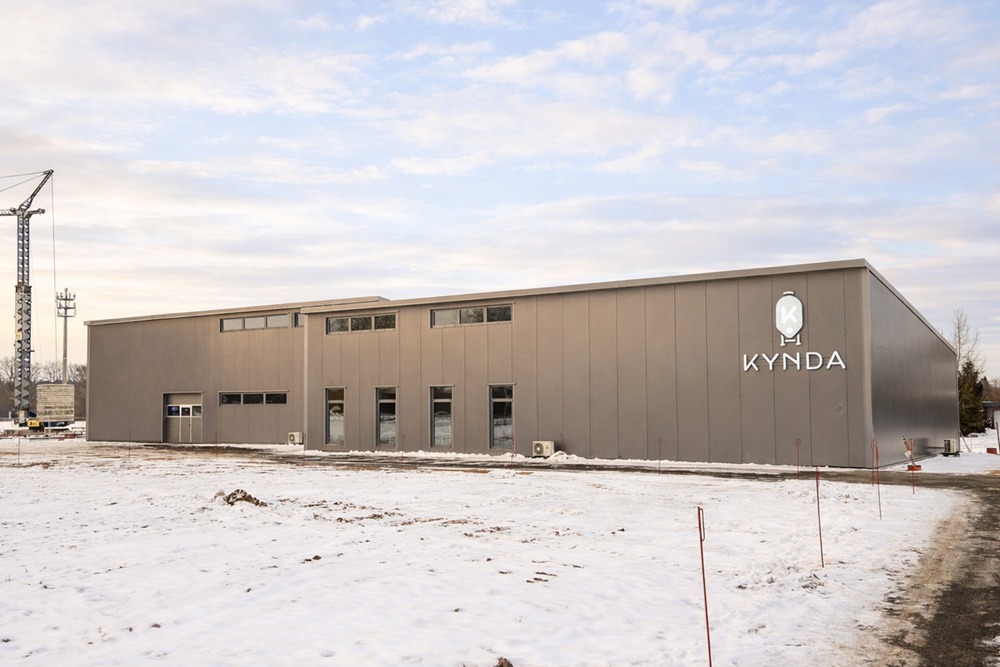
PPTI has reported on other efforts to grow microbial biomass using unconventional inputs. Washington University researchers have studied inputs made from waste carbon dioxide, while Kynda has commissioned a manufacturing hub for fungal biomass using food production sidestreams. The wheat-straw study addresses a different input and gives a specific measurement of how the resulting soluble fraction works in a second process.
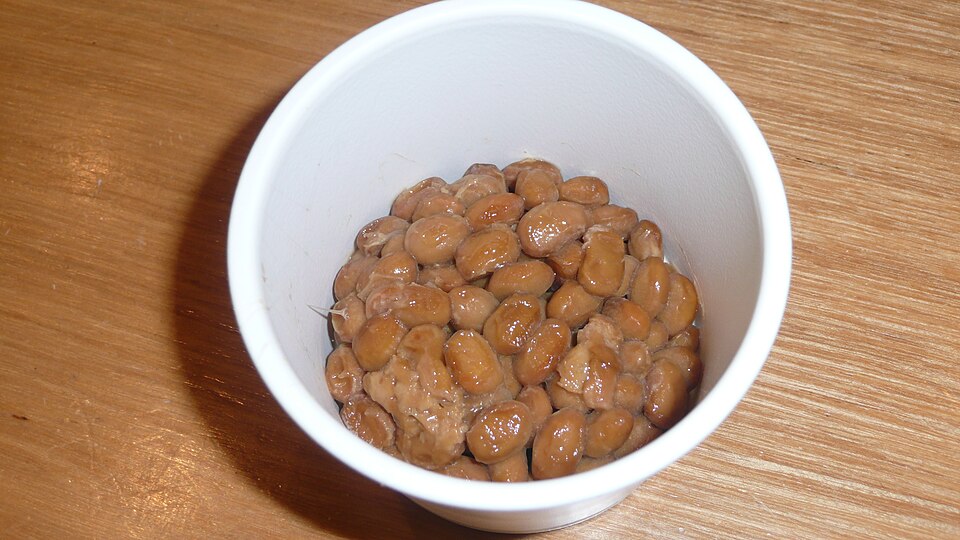
Photo: John Haynes / Geograph / Wikimedia Commons, CC BY-SA 2.0

Join Us At One Of Our Upcoming Events

If you have any questions or would like to get in touch with us, please email info@futureofproteinproduction.com