Fourteen UK research teams pitch alternative protein ideas at NAPIC showcase

Fourteen UK research teams pitched their alternative protein and ingredient ideas at a National Alternative Protein Innovation Centre showcase on November 24. Taking part in Innovate UK’s ICURe Discover program, the teams had set out to find who might use their technologies, what those customers needed and how a research project might become something a food manufacturer could buy.
• Fourteen research teams presented at the showcase, reporting what they learned from testing demand for new ingredients and food technologies as part of NAPIC and Innovate UK’s venture program.
• The eight-week program asked teams to speak to prospective users, manufacturers and other industry contacts. Researchers could use market discovery support to investigate applications and find potential customers.
• Quadram Institute researcher Chloe Uyl was among the participants who disclosed their involvement. NAPIC’s showcase update gave no full cohort list or details of pilots or contracts.
In its showcase update, NAPIC said the pitches covered technologies that could replace existing ingredients as well as ideas intended to meet needs that current products leave unaddressed. The center highlighted different tests for each audience. Consumers want products that taste good and fit their budgets. Manufacturers also have to ask what an ingredient costs to use, what it does to a label and how they would meet safety and regulatory requirements.
Innovate UK ICURe said the 14 teams had eight weeks to examine the commercial potential of their work. The exercise brought researchers into contact with prospective customers and people involved in formulation, manufacturing, regulation and investment. Teams could receive up to approximately US$3,300 each in support for market discovery. The money was for gathering evidence about possible markets, including speaking to people who could buy, manufacture or approve a product made using the research.
Chloe Uyl, a research scientist at the Quadram Institute, confirmed that she joined the cohort and attended its opening bootcamp in London. Uyl said she would use the program to explore where a technology developed at Quadram could be of most use. Her plans included conversations with people working in industry and regulation as well as potential customers. She did not announce a commercial partner or give a timetable for bringing the technology to market in her post.
NAPIC also pointed to Leeds spinout MicroLub in its account of the day’s discussions. The company develops protein-based ingredients intended to retain the texture and mouthfeel of foods when a manufacturer reduces fat or oil. It offers a practical example of how the intended use can guide the research. A developer working on a low-fat product needs to know which qualities consumers associate with its full-fat counterpart and whether the ingredient can reproduce them in that food.
The program is asking different questions from a product demo. An ingredient developer might learn, for example, that a prospective customer can test its material in a laboratory kitchen but would need tighter specifications before putting it through a factory line. That feedback can help the team decide what to measure in its next round of research and which partner could realistically run a trial.
Discover is one stage in a wider NAPIC venture pathway. The center’s SEED program introduces researchers to entrepreneurship and helps them consider commercial applications early. Discover focuses on the evidence for a market. NAPIC also lists Explore and Exploit as later opportunities through ICURe. The route could lead to a licensing agreement or a spinout, depending on what a team learns and what would be needed to develop the technology further.
The venture pathway sits alongside NAPIC’s collaborative research funding. In August, PPTI reported that the center had supported 33 projects in areas including fungal and microbial protein, food manufacturing and nutrition. One of those collaborations involves Cranfield University and HyphaPro, which are investigating whether fungi can produce egg proteins. That work illustrates where NAPIC can bring a research group and a business together. The November showcase focused on the earlier question of which uses are worth pursuing.
For ingredient suppliers and manufacturers, the cohort’s most relevant results will be the intended applications and what prospective customers said about them. A food company might value an ingredient for what it can do on an existing line, even when that use differs from what the researchers first had in mind. NAPIC’s public account described what the teams presented as a group. Which projects will now move into formulation trials, manufacturing partnerships or further funding remains to be seen.
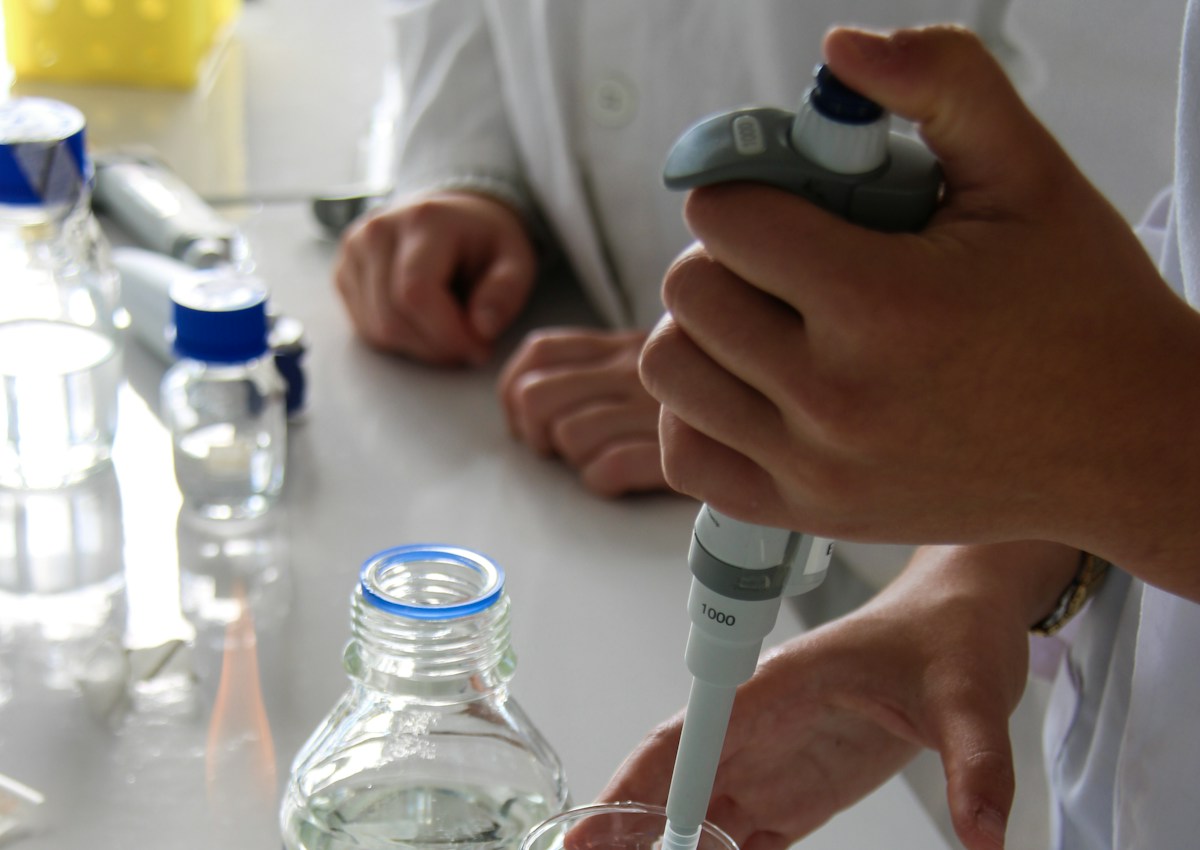
(Illustrative laboratory photo by Nathan Rimoux / Unsplash)

Join Us At One Of Our Upcoming Events

If you have any questions or would like to get in touch with us, please email info@futureofproteinproduction.com