
Ocean Sciences’ green seaweed kefir powder passes independent microbiological tests

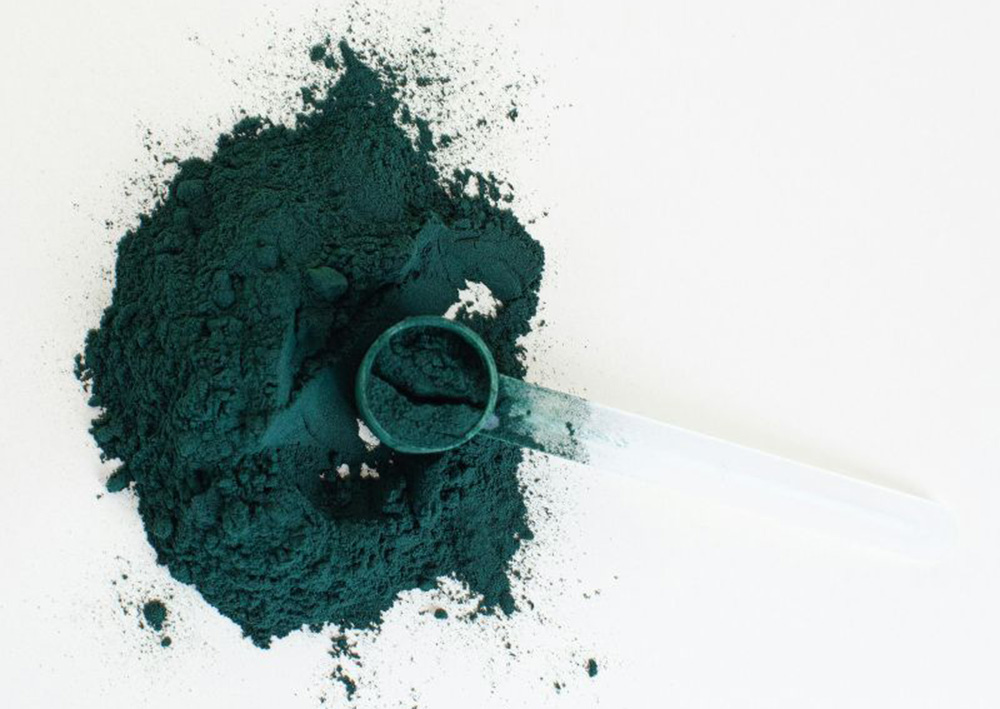
Ocean Sciences said its freeze-dried green seaweed kefir powder met Singapore’s ready-to-eat food limits on all five microbiological measures tested by an independent laboratory. The Australian seaweed developer released the results on November 24 as it assesses whether a fermented drink developed with Singapore Polytechnic can become a powdered ingredient for food and beverage manufacturers.
• Eurofins Food Testing Singapore assessed the freeze-dried formulation against five microbiological parameters. All results were within Singapore Food Agency limits for ready-to-eat foods on the measures tested.
• Ocean Sciences and Singapore Polytechnic’s Food Innovation and Resource Centre are developing the powder from earlier beverage research using Caulerpa lentillifera, a species of green seaweed.
• The company is assessing uses for the powder in food and drinks. Its filing gave no shelf-life data, production volumes, customer trial results or commercial launch date.
The November 24 exchange filing gave results from Eurofins Food Testing Singapore, which issued its analytical report on November 11. Four of the five results were reported at below 10 colony-forming units per gram. Bacillus cereus was reported at below 100 colony-forming units per gram, against a limit of 200 for the ready-to-eat food criteria cited in the filing. The announcement covered the powder tested. The company has yet to disclose how the formulation performs over time under commercial storage conditions.
Ocean Sciences and Singapore Polytechnic’s Food Innovation and Resource Centre began with a drink. In May 2025, the company, then called BPH Global, disclosed a research agreement to develop a probiotic water kefir beverage incorporating Caulerpa lentillifera. The parties subsequently developed probiotic and postbiotic beverages using the green seaweed, according to the latest filing. The powder project takes that research into a format a manufacturer could buy and incorporate into a finished product.
A May 2026 agreement set out the work needed for that change. Singapore Polytechnic’s center would help with formulation, fermentation, microbiological assessment and freeze-drying trials. The polytechnic team’s role was to help develop and validate the process as well as test the resulting formulation. That distinction matters for a manufacturer that would need a specification to order against and consistent batches for its own product development.
At the time, the company said it was discussing downstream manufacturing and distribution with possible partners and had identified bottled water and other drinks as potential uses. Matthew Leonard, then the company’s Managing Director, said the agreement represented “a strategic evolution toward an ingredient-based commercial model.” The new filing confirms a laboratory result and leaves the outcome of those discussions open.
Ocean Sciences sees the move from liquid to powder as a way to make the ingredient easier to store, handle and ship. A powdered ingredient could also give beverage developers more control over how much liquid they add to a formulation. The commercial value of the format will depend on how readily it disperses, how much a product needs to deliver the intended effect and whether it changes taste, color or texture at that inclusion level.
The filing also leaves open what Ocean Sciences would sell the ingredient on. A powder marketed for its live cultures would need data on how many remain viable through drying, storage and use. A formulation sold for attributes of the fermented material would have a different specification. The five results reported by Eurofins address the measured microbiological criteria. They give no indication of culture viability or which claims could be made on a finished product.
Whether the powder works in an actual food or drink will also depend on the conditions it encounters after leaving the supplier. A beverage with a high acid content, a food that undergoes a heat treatment and a dry product all put different demands on an ingredient. Manufacturers would want to know how the powder behaves in the intended application and whether its properties hold up over the finished product’s shelf life.
Ocean Sciences said it would “continue to assess commercial opportunities for the powdered formulation.” The company has yet to name a food or beverage customer or publish a production schedule. For potential buyers, the next results to look for are a shelf-life specification and application data from a food or drink made with the powder. Both would give manufacturers a firmer basis for deciding whether to run a trial.
(Main photo of sea grapes by Jpatokal / Wikimedia Commons, CC BY-SA 3.0)

Join Us At One Of Our Upcoming Events

If you have any questions or would like to get in touch with us, please email info@futureofproteinproduction.com